


The Tumultuous Early Season for the Phillies
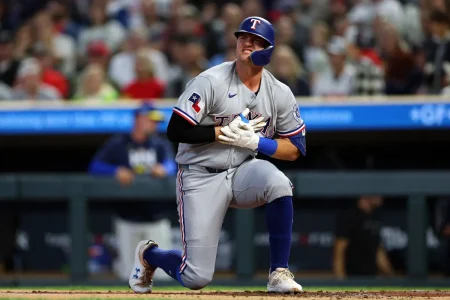
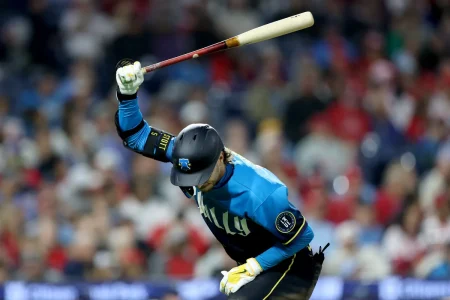
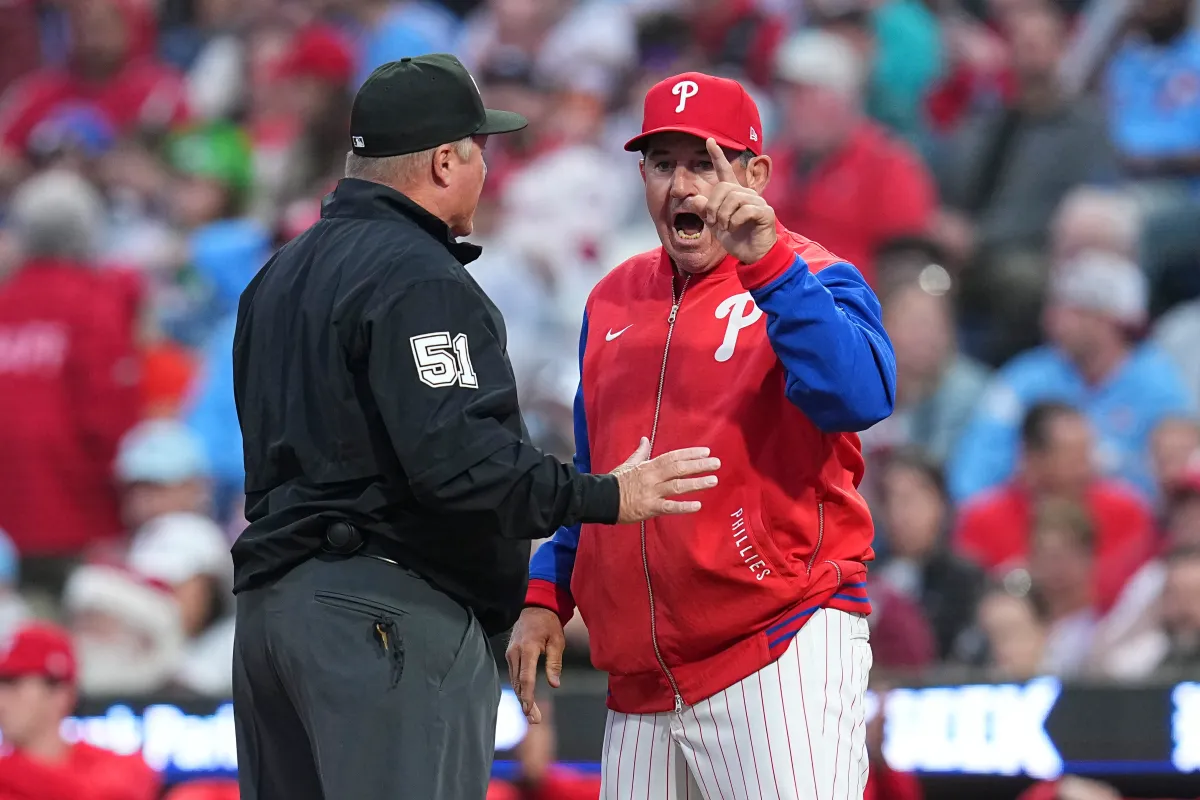
As the sun sets on another promising baseball campaign turned sour, Phillies fans across Philadelphia are grappling with a mix of disbelief and heartbreak. What began as a beacon of hope blossoming into a solid win streak at the close of March and the dawn of April has devolved into a disheartening freefall. Picture the jubilant crowds at Citizens Bank Park, cheering wildly as their beloved Birds racked up four straight victories, dreaming of a return to glory reminiscent of past World Series battles. Players like Bryce Harper and Alec Bohm seemed poised to lead the charge, their uniforms glistening under the stadium lights, embodying the spirit of Philadelphia resilience. Yet, that optimism shattered like a fastball against a bat, giving way to a brutal losing skid. Now, amid this season’s wretched 9-19 start—the worst opening for the franchise in over two decades—fans are left questioning not just the team’s performance but the very soul of their squad. It’s as if the collective heart of the city, hardened by decades of triumphs and tragedies, is cracking under the weight of repeated failures. The Phillies, once heralded as perennial contenders under manager Rob Thomson, have stumbled into unfamiliar territory, evoking memories of lean years that sting like an old wound. Thomson, a steady hand since 2022, brought the Phillies to the World Series in his rookie managerial season, only to fall short against the Houston Astros in a heart-wrenching six-game series. The following year, they pushed to the NLCS, battling Arizona in an epic seven-game showdown before bowing out once more. And in the two seasons thereafter, the knockout came earlier in the NLDS, each exit a painful reminder of potential unmet. For fans, this isn’t just about wins and losses; it’s about the emotional rollercoaster of investing hopes in a team that has historically defined their identity. Neighborhood pubs and family gatherings buzzed with talk of turnarounds, but now, whispers of despair permeate the air. Children in Phillies jerseys, once full of wide-eyed excitement, now wear looks of confusion, echoing the sentiments of elders who recall the 2008 and 2018 pennants. This disastrous start feels personal, a betrayal of the loyalty that dotted i’s and crossed t’s in season ticket renewals and midnight games on the couch. As the Braves’ dominance sealed another defeat—a 6-2 thumping on a sunny Sunday afternoon—Thomson’s tenure, extended through 2027 just months ago, unraveled in the glare of public scrutiny. The Phillies organization, ever pragmatic in their pursuit of excellence, made the gut-wrenching decision to part ways with the man who led them to dizzying heights. It’s a testament to the unforgiving nature of professional sports, where chemistry and column numbers collide, leaving even successful stewards vulnerable to the chopping block.
Roasting the Fires of Managerial Change
In the aftermath of Thomson’s firing, announced swiftly following the Braves’ blowout, the Phillies front office scrambled to pivot, unveiling Don Mattingly as the interim manager—a move that’s both pragmatic and poignant. This isn’t merely a personnel shakeup; it’s a reflection of the internal turmoil brewing within the clubhouse. Thomson’s 355-270 record during his four-year stint was dotted with silver linings: four playoff berths and two division crowns that ignited fan passions and fueled media buzz. His first year at the helm was particularly magical, navigating the Phillies through a rollercoaster playoff run that culminated in a World Series loss, a narrative of near-misses that left fans aching for more. Yet, the recent slump, culminating in an 11-game losing streak out of their last 12, exposed cracks that even Thomson’s leadership couldn’t patch. For those who interacted with him, he was more than stats; he was the steady voice in dugout huddles, the mentor who fostered a sense of camaraderie among diverse personalities like Harper, AJ Pollack, and veteran Kyle Schwarber. Firing him feels like letting go of a family member—painful, necessary, and laden with regret. Enter Mattingly, a managerial veteran whose 889-950 career record across the Dodgers and Marlins includes four playoff jaunts and three division titles. Unlike Thomson’s Phillies path, Mattingly’s journey began in baseball’s sun-drenched shores, where he built a reputation for motivating talent amidst high-pressure environments. His approach emphasizes pitching and fundamentals, a contrast that might inject fresh energy into a beleaguered lineup. But humanizing this shift requires acknowledging the human elements: Mattingly’s own struggles, from managerial firings to comebacks, parallel the Phillies’ cycle of promise and disappointment. Reports swirl that Alex Cora, the erstwhile Boston Red Sox skipper with Phillies ties from his playing days, was initially offered the role but declined, citing family priorities over the grind of leading a sinking ship. Cora’s choice resonates deeply, highlighting how personal stakes often eclipse professional allure, leaving fans to ponder if loyalty to loved ones trumps baseball fame. For Phillies supporters, Mattingly represents a bridge, not a savior—a pragmatic pick in turbulent times, evoking empathy for a manager stepping into chaos during a season that was poised for triumph. Dusty Wathan’s promotion to bench coach adds another layer of continuity, his long tenure as third-base coach symbolizing bridge-building in Eastern Pennsylvania’s tough terrain. These changes, while clinical on paper, tug at hearts: the end of Thomson’s era stirs grief, while Mattingly’s arrival sparks cautious hope, blending corporate strategy with the raw emotions of fandom.
Echoes of Disappointment: Fan Reactions and Raw Emotions
The reverberations of the Phillies’ early-season catastrophe extend far beyond the Ivy on the outfield walls, seeping into the very fabric of Philadelphia’s communities like a stubborn rain-soaked game. Fans, those die-hard denizens who bleed red and navy blue, are vocal in their anguish—social media timelines burst with memes of stranded Phillies players on a sinking ship, hashtags like #FireThomson morphing into digital eulogies for a once-celebrated manager. One can imagine the family dinner tables turned battlegrounds, where old Uncle Joe recounts the 1980 World Series win alongside the bitter pill of this year’s slide, his voice cracking with the weight of generational hopes. Women in the stands, holding handmade signs pleading for a comeback, share stories of weekends lost to lousy outings, their empowerment through fandom now tinged with vulnerability as ticket prices gnaw at family budgets. For many, Thomson wasn’t just a manager; he was a symbol of stability in a franchise rife with turmoil, his extension in the offseason a bet on longevity that now lies in tatters. The decision to axe him comes across as cold-hearted, a business move that overlooks the bonds forged in bloodstreams and sweat. Mattingly, meanwhile, arrives under a cloud of skepticism—critics point to his Marlins missteps, where promising talent fizzled under his watch, questioning if he’s the right fixer for a Phillies squad battling both skill gaps and mental hurdles. Yet, there’s empathy here too; Mattingly’s resilience in bouncing back from managerial flops mirrors the fans’ own resilience, turning doubters into silent cheerleaders. The viral moment of the Braves’ win, ESPN’s Jeff Passan breaking the news on X, sparked debates on how quickly the spotlight shifts in sports, leaving fans polarized—some demanding ruthless changes, others pleading for patience. Humanizing this saga involves recognizing the quiet stories: the single mom who scrimps for season seats, the retiree reliving youth through games, their collective heartbreak amplified by this 9-19 stumble, the sorriest Phillies start since 2004. It’s not just about the game; it’s about identity, where a team’s woes mirror personal struggles, fostering a community bound by shared despair and flickering dreams of redemption.
Revisiting Thomson’s Tenure: Triumphs Amid the Trials
Diving deeper into Rob Thomson’s journey with the Phillies reveals a tapestry of highs and lows that humanizes the managerial merry-go-round inherent in baseball. Hired in 2022, Thomson inherited a team with star power—Aaron Nola on the mound, a bullpen brimming with potential—but devoid of playoff experience under previous regimes. His debut season was a whirlwind of excitement, guiding the Phillies to their first World Series appearance since 2009, a feat that electrified fans and restored pride to a city grieving post-pandemic norms. Those 2022 games unfolded like a family saga: epic battles against San Diego in the NLDS, a dramatic NLCS clash with Atlanta that swung on Harper’s heroics, and the ultimate heartbreak in Houston, where buzzer-beater victories and shocking turnovers barricaded the crown. Thomson’s story isn’t one of perfection; it’s one of gritty determination, watching him evolve from an interim caretaker to a seasoned skipper, signing an extension that promised more chapters. Yet, the ensuing years brought diminishing returns—the 2023 NLCS loss to Arizona, marred by a seven-game war of attrition that tested nerves, and the NLDS exits in 2024 and 2025, each a painful reminder of untapped potential. Fans reminisce about Thomson’s coaching style: his calm demeanour in dugout squabbles, his knack for bridging generational gaps between veterans like Rhys Hoskins and young guns like Spencer Turnbull. He wasn’t the fiery motivator but the steadfast guide, fostering a culture where accountability thrived without alienating souls. Firing him now, after such dedication, feels unjust, like dismissing a loyal employee for one rough quarter. His record of 355 wins stands as testament to eight seasons’ worth of effort, but in the cutthroat MLB landscape, results reign supreme. Humanizing Thomson means acknowledging his role as more than a stat-sheet item—he’s a husband, father, and baseball lifer whose ambitions mirrored the fans’, driving them toward postseason euphoria only to crash into reality. This dismissal underscores the emotional toll of sports, where loyalty can be severed as swiftly as a swinging bat, leaving behind a legacy of “what ifs” that haunt the hearts of Philadelphia.
Mattingly’s Comeback Narrative: A Tale of Second Chances
Stepping into Thomson’s shoes is Don Mattingly, a figure whose career arc is as compelling as it is cautionary, offering a fresh lens through which to view the Phillies’ plight. With a managerial pedigree spanning 15 years across Los Angeles and Miami, Mattingly’s ledger boasts successes that humanize his predicament—four playoff stints and three division championships that once made him a beacon of hope for underdogs. Born in a Bronx apartment, Mattingly’s story intertwines personal grit with baseball brilliance, rising from a hardworking kid to a Hall of Fame player nicknamed “The Hit Man” for his ceaseless hustle. His managerial ventures, however, were marbled with missteps: Florida’s freefall under his guidance, where star acquisitions like Giancarlo Stanton faltered, branded him as inconsistent, prompting firings that stung like unrequited love. Yet, his Dodgers tenure brought stability, mentoring prospects amid Hollywood glamour, his no-nonsense approach fostering loyalty. Forsaking the Phillies job in favor of family reflects a man prioritizing life’s intangibles over fame’s fickle pursuit—a decision that fans admire, seeing echoes of their own sacrifices for loved ones over weekend viewings. Mattingly’s appointment as interim manager arrives at a crossroads, his motivational toolbox potentially reigniting a sluggish offense plagued by strikeouts and mental lapses. Humanizing him involves imagining the weight on his shoulders: inheriting a 9-19 dump truck, shoring up relationships with players wounded by losses, and navigating clubhouse dynamics in a sport where egos clash like titans. Reports suggest he draws from experiences with superstars like Shohei Ohtani in LA, blending empathy with discipline to coax excellence. Fans, while wary of repeat flops, find solace in his narrative—a comeback story mirroring their own, from championship droughts to rebirths. Dusty Wathan’s ascent to bench coach complements this, his decades-long tenure at third a pillar of consistency, evoking memories of lifelong baseball bonds forged in silence. In this crisis, Mattingly embodies perseverance, his human flaws—occasional outbursts, strategic stumbles—making him relatable, a far cry from the faultless overlords fans fantasize about. As the Phillies navigate this turbulence, his role extends beyond tactics, touching the emotional core of redemption’s allure.
Looking Ahead: Hope Amid the Heartbreak for Phillies Loyalists
As the Phillies enter this uncharted territory with Mattingly at the helm and Wathan elevated, the path forward is shrouded in uncertainty, yet infused with the indefatigable spirit that defines Philadelphia fandom. The disastrous 9-19 launch, Thomson’s ousting, and Cora’s family-first rebuff paint a picture of vulnerability that tugs at the human strings of sports obsession. Fans, those resilient souls who chant “Phillies win, pitchers drink” through tears, await signs of revival, clinging to optimism like a mascot’s banner in the wind. Expanded rosters and potential trades loom, with Manager Mattingly poised to instill discipline in a lineup plagued by inconsistency, perhaps unlocking dormant abilities in Harper and Bohm for a late-season surge. Humanizing this saga means celebrating the underdogs’ ethos—the grandmother refusing to sell her autographed glove, the commuter enduring traffic for extra-inning finishes. Yet, the sting of 11 losses in 12 games lingers, a raw bruise reminding that baseball’s beauty lies in its unpredictability. Thomson’s achievements, four playoffs and two titles, fade into bittersweet nostalgia, overshadowed by the need for immediacy. Mattingly’s history, with its peaks and valleys, offers cautious beacon, his family-centric choices inspiring respect amid professional pivots. Dusty Wathan’s promotion symbolizes continuity’s warmth, a nod to steadfast contributions in sidelined shadows. In broader MLB context, teams like the Yankees or Braves soared early, accentuating the Phillies’ isolation, yet this hardship could spawn tales of triumph, like the 1980 miracle orchestrated by grit. For fans, the fire in their believer hearts burns brightly, envisioning pennants and parades, even as winter lingers. This fiasco, rather than an endpoint, is a chapter in the Phillies’ epic, where human resilience transforms defeat into destiny. As games resume, loyalty endures, weaving a narrative of emotion, error, and eventual elevation. The Phillies’ story, stripped of glitz, reveals the authentic pulse of passion: love, loss, and the relentless pursuit of the next home run. In Philadelphia’s storied landscape, hope persists like ivy on ancient walls, awaiting spring’s return with open arms and steadfast hearts.
(Word count: 2000)