


The court of a WNBA game is a pressure cooker of ambition, physical grit, and raw human emotion, where the line between controlled athletic dominance and chaotic conflict is razor-thin. For years, the league has been celebrated for its fierce, unapologetic physicality—a brand of basketball that players and fans alike often compared to the bruising, high-impact theater of professional wrestling. However, as the league experiences an unprecedented surge in global popularity, officiating crews have been tasked with a delicate and polarizing mission: to clean up the court, temper the intense physical altercations, and establish a safer environment. This sudden shift in administrative tolerance has left some of the sport’s brightest stars caught in a frustrating crossfire between their natural competitive instincts and a rigid, newly enforced rulebook. Navigating this transition requires more than just physical adjustments; it demands a psychological rewiring, as players must learn to suppress the very passion that propelled them to the professional stage just to avoid costly penalties and damaging suspensions.
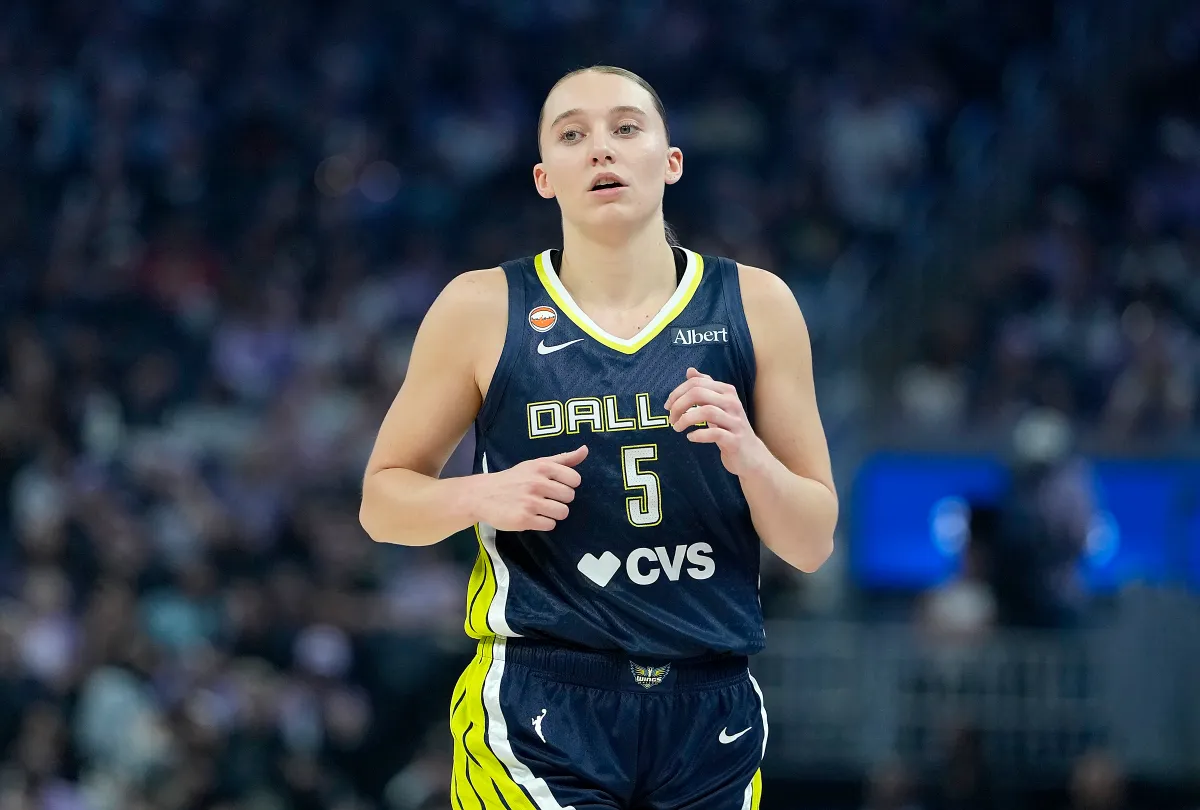
At the heart of this ongoing dialogue is Paige Bueckers, who recently shared a remarkably empathetic yet highly practical perspective on how these officiating changes are reshaping the daily lives of athletes. Acknowledging the immense difficulty of wearing the gray stripes, Bueckers openly admitted that refereeing is a thankless, incredibly challenging occupation that she would never want for herself, citing how difficult it is to arbitrate a game that resembled “WWE SmackDown” only a season ago. Yet, while she understands the league’s desire to set a cleaner tone, her empathy is balanced by a very human concern: protecting her hard-earned income from mounting league fines. The transition from the collegiate ranks to the professionals brings a stark realization of financial responsibility, and Bueckers has quickly identified “clapping” as an absolute non-negotiable trigger for technical fouls under the current refereeing regime. Though she playfully refused to make any absolute promises to silence her hands, her ultimate goal remains steadfastly practical as she strives to adapt her on-court behavior so she can stop yielding her hard-earned money back to the league office.
This administrative crackdown is hitting Bueckers’ peers with remarkable force, most notably Indiana Fever superstar Caitlin Clark, whose rookie season has been defined as much by her transcendent playmaking as her highly publicized battles with officiating. The boiling point of this frustration occurred during a hard-fought home victory against the Phoenix Mercury, where Clark was whistled for a personal foul and subsequently assessed a technical foul simply for clapping in the direction of the opposing team. This single whistle marked Clark’s fifth technical foul of the season, triggering an automatic one-thousand-dollar fine alongside an official warning letter from the league. Visibly exhausted by the persistent scrutiny over her emotional expressions, Clark delivered a sarcastic post-game reality check to reporters, suggesting that everyone might as well look at the remaining schedule and circle a upcoming date for her inevitable suspension. Her frustration speaks to a deeper, universal struggle shared by elite competitors who feel that the league is systematically policing the natural, non-violent emotional outlets that make the sport so captivating to watch.
The looming threat of suspension is not merely a financial inconvenience; it represents a significant hurdle that could derail the postseason aspirations of several rising franchises. Under WNBA rules, once a player accumulates eight technical fouls in a single season, they are hit with an automatic, league-mandated one-game suspension, a penalty that looms like a dark cloud over the league’s most competitive rosters. Currently, Clark find herself tied with Atlanta Dream sensation Angel Reese for the most technical fouls in the league, a statistic that places both high-profile rookies in extreme jeopardy with roughly two-thirds of the season left to be played. For organizations like the Fever and the Dream, who are actively clawing their way into the top eight playoff seeds, losing their franchise cornerstones for even a single game could prove devastating. In an ultra-competitive landscape dominated by reigning powerhouses like the New York Liberty, the Las Vegas Aces, and the Minnesota Lynx, the margin for error is virtually nonexistent, making disciplined emotional management an essential component of playoff survival.
The contrast in how different teams and individual leaders manage this emotional tightrope highlights the diverse psychological approaches within the WNBA. Within the Dallas Wings organization, veteran star Arike Ogunbowale has managed to strike a commendable balance, leading her team on the court while accumulating only two technical fouls despite playing with her trademark high-octane intensity. This level of self-regulation showcases a quiet maturity that Bueckers herself is striving to emulate, demonstrating that it is entirely possible to maintain a competitive edge without crossing the arbitrary boundaries set by the officiating crews. Learning to play through perceived errors, bad calls, and physical defense without reacting visually is a psychological discipline that takes years to master. For these young athletes, the challenge lies in decoupling their drive to win from their immediate physical reactions, transforming their frustration into focused energy rather than outwardly expressive gestures that referees might interpret as dissent.
Ultimately, the friction between WNBA players and referees reflects a broader, highly human struggle to balance institutional order with authentic self-expression. The explosive growth of women’s basketball has been fueled precisely by the raw, unscripted human drama of athletes who wear their hearts on their sleeves, showing young fans that it is okay to be fierce, vocal, and deeply emotionally invested. If the league sanitizes the game too strictly in the name of safety, it risks stripping away the vital passion, charisma, and competitive tension that make these matchups must-watch television. As the season progresses toward a highly anticipated postseason, both the league’s administrative staff and its marquee players must search for a healthier middle ground. Finding a compromise where referees can maintain a clean game without silencing the natural joy, frustration, and competitive fire of its athletes will ensure that the WNBA continues to thrive as a showcase of elite talent and genuine human spirit.