



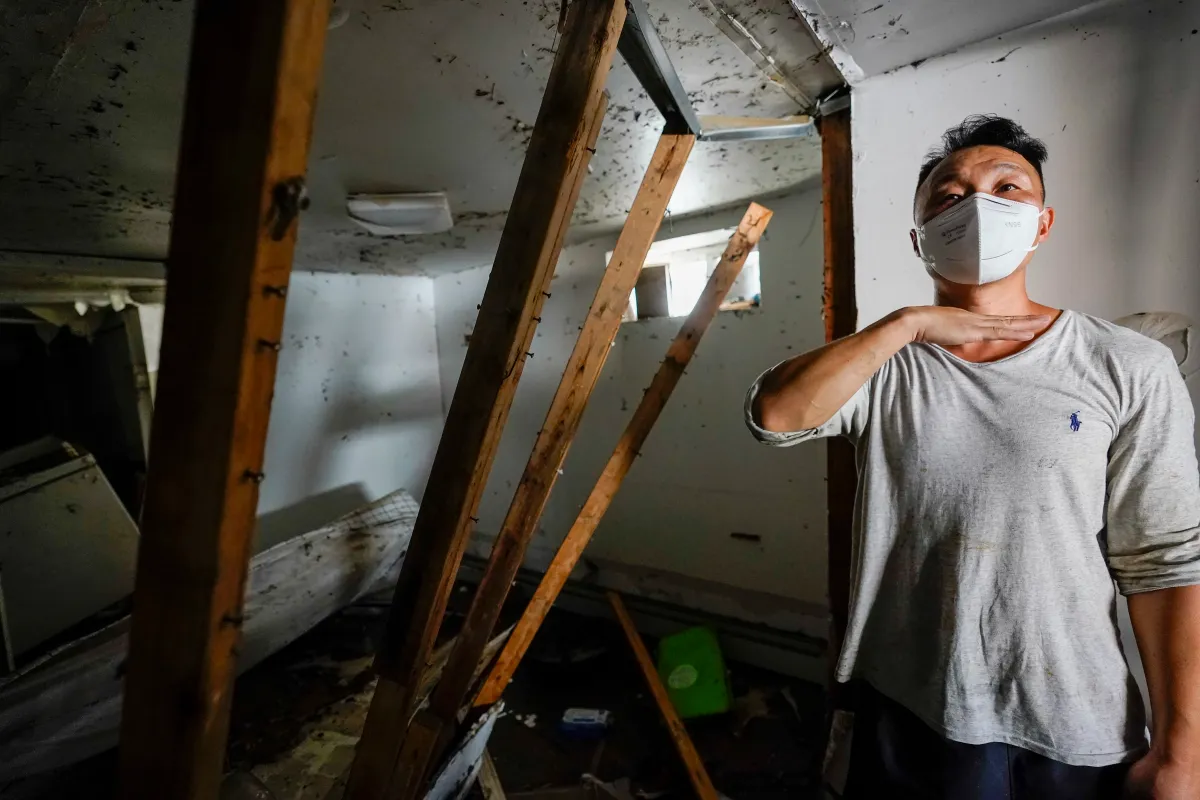
New York City officials are urging residents to brace for a multi-day storm system that threatens to bring life-threatening flash flooding to the metropolitan area. The urgent warnings carry a heavy emotional weight for tens of thousands of New Yorkers living in below-grade and basement apartments. It has been less than a year since a record-breaking rainstorm tragically claimed the lives of two men trapped in flooded basements in Manhattan and Brooklyn, leaving a community still healing and deeply anxious about the skies opening up once again.
In response to the looming threat, NYC Emergency Management and Notify NYC have issued a steady stream of public alerts, advising residents to prepare for intense downpours and severe thunderstorms. Officials are warning that intense rainfall rates could quickly overwhelm streets, highways, underpasses, and residential basements. Emergency alerts have explicitly warned that these conditions can cause rapid, life-threatening flooding in below-ground homes, urging residents to stay out of flooded basements and be ready to move to higher ground. Local leaders, including Queens Borough President Donovan Richards, are actively monitoring the storm and pleading with those in flood-prone areas to establish emergency plans before the water begins to rise.
The National Weather Service has backed up these local warnings by issuing a widespread flood watch for New York City, Long Island, northeastern New Jersey, and southern Connecticut. Forecasters are predicting multiple rounds of heavy rain that could dump 2 to 4 inches of water across the region, with even higher localized amounts. Meteorologists warn that the rain could fall at a blistering rate of 2 inches per hour during the peak of the storms, a volume of water that municipal drainage systems simply cannot handle. This prolonged threat is being driven by a stalled frontal boundary mixed with heavy atmospheric moisture, focusing the highest risk directly over the city and western Long Island.
This latest weather threat brings back painful memories of the structural vulnerabilities in the city’s below-grade housing. Just last autumn, a sudden and powerful storm caught the city off guard, rapidly overwhelming local infrastructure and resulting in two tragic deaths. In Brooklyn, a 39-year-old man lost his life when he went back into a heavily flooded basement to rescue his dog. Across the East River in Manhattan, a 43-year-old man was found dead in a flooded basement boiler room. These devastating losses renewed intense public scrutiny over the safety of unauthorized and unprotected basement apartments.
For many, this current storm feels like a recurring nightmare. The recent fatalities echoed the immense tragedy of Hurricane Ida in 2021, when 11 people drowned in flooded basement units across the city. Emergency officials emphasize that these past events prove just how quickly flash flooding can turn fatal, even in neighborhoods with robust stormwater infrastructure. Because of this, authorities are begging residents not to underestimate the speed at which a situation can deteriorate, noting that waiting until water is already entering a home is often too late to safely escape.
To keep families safe, emergency officials are urging New Yorkers to stay glued to weather updates and proactively protect themselves. Residents in basement apartments should prepare to evacuate to a higher floor at the first sign of rising water. Standard safety protocols are more important than ever: never walk, swim, or drive through flooded roads, as moving water can hide collapsed pavement or easily sweep cars away. If it is safe to do so, neighbors can help by clearing leaves and debris from local catch basins and reporting clogged drains to 311. Ultimately, officials stress that early, decisive action is what saves lives when the storm rolls in.