


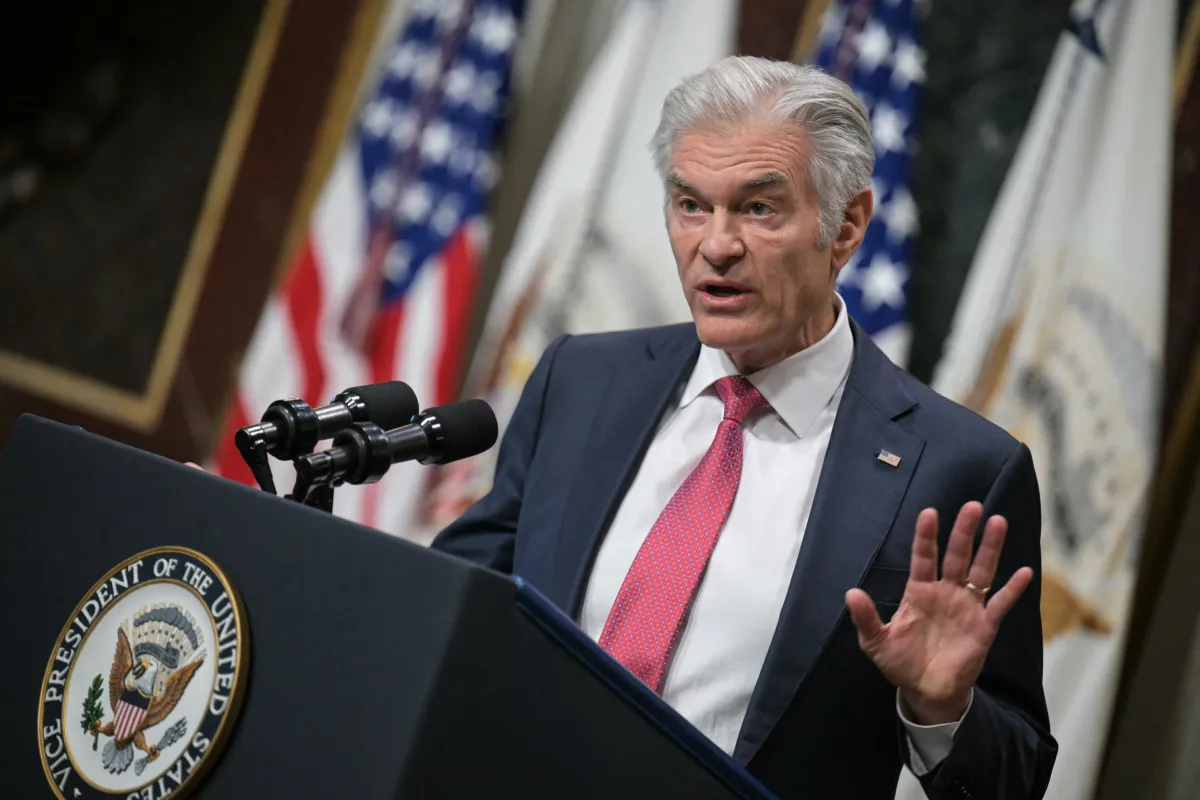
Dr. Mehmet Oz, the head of the Centers for Medicare and Medicaid Services (CMS), took to social media with a fiery warning that sent shockwaves through the healthcare community. For many, the post wasn’t just an announcement—it was a personal crusade, a reminder of the hardworking seniors and vulnerable patients who depend on Medicare for their dignity and care in their golden years. Imagine an elderly widow in a small California town, relying on hospice services to comfort her through the final stages of a long-fought battle with cancer. Instead of the peace she deserves, schemes like those allegedly masterminded by Dr. Rajiv Bhuva could drain precious resources, leaving her and countless others underserved. Oz’s words—”To all the fraudsters out there stealing from our seniors: run, don’t walk. Because we’re coming after you”—resonated because they humanized the fight against what he sees as a ruthless robbery of tax dollars meant for life’s essentials. The revocation of Dr. Bhuva’s Medicare access, tied to misconduct involving a staggering $71 million in hospice charges, wasn’t just bureaucratic action; it was a stand for families who’ve sacrificed to build a safety net that’s now being shredded by greed. As a physician himself, Oz probably feels the sting personally—he’s no stranger to the dedication required in medicine, having witnessed firsthand how systemic issues can erode trust between doctors and patients. Families across America, from bustling urban centers to quiet rural communities, have stories of love, loss, and dependency on programs like Medicare. For instance, consider a retiree like Joe, a former factory worker in his 80s, whose late wife received hospice care that gave their family precious time to say goodbye. The thought that fraudulent billing could rob others like Joe of that closure adds a layer of moral urgency to Oz’s message. It’s not just about numbers; it’s about preserving the human bond that keeps society intact.
Medicare stands as one of America’s cornerstone programs, a lifeline for millions of older adults and those with disabilities who’ve paid into the system through decades of labor. But beneath its vast umbrella lies a vulnerability: improper billing and outright fraud that siphons billions from patient care, weakening the program’s ability to support real needs. Hospice services, meant for those nearing the end of life, carry this weight heavily. These aren’t just clinical transactions; they’re solemn moments where families gather, share memories, and provide comfort in the face of inevitable farewells. Yet, as regulatory eyes sharpen, we’ve seen reports of providers gaming the system, enrolling patients who might not truly qualify, motivated by financial gain rather than compassionate care. Think of a case like that of 75-year-old Maria in Los Angeles, whose son struggles to understand how a loved one could be deemed eligible for hospice one day and then seemingly recovered the next—only to realize it might have been a paperwork fiction to justify inflated claims. This mismanagement not only strains Medicare’s finances but erodes public faith in the healthcare system as a whole. For caregivers, nurses, and doctors who view their work as a calling, such allegations feel like a betrayal of the Hippocratic oath. Oz, as CMS administrator, embodies the guardian role, tasked with protecting this vulnerable population from predators. Fraud in hospice isn’t abstract; it’s a daily threat that diverts funds from crucial services like home visits, pain management medications, and emotional support for grieving families. Nationally, the costs add up to epic proportions, with experts estimating billions lost annually—money that could fund research, better facilities, or even extended coverage for those slipping through cracks. In human terms, it’s the difference between a support system that honors life’s end and one that’s been hijacked, leaving patients and their loved ones feeling exploited rather than cared for.
Zooming in on Dr. Rajiv Bhuva’s controversial case brings the scale of the issue into sharp relief. This Los Angeles physician, now stripped of his Medicare privileges, was linked to an astonishing $71 million in hospice-related billing, casting a long shadow over the integrity of care in the Golden State. Spread across roughly 2,800 patients and 126 different California hospices just in 2024, his alleged involvement raises eyebrows and hearts alike. Picture the sheer volume: one doctor purportedly overseeing claims for thousands in an industry where the norm hovers around 140 patients per physician annually. It’s not merely about numbers; each claim represents a life on the cusp—a grandfather seeking solace for his terminal illness, or a mother navigating grief without the aid of honest providers. California state auditors have flagged patterns like this before, warning that affiliations with more than three hospices could signal oversight gaps, potentially allowing providers to collect without delivering meaningful involvement. Their 2022 report highlighted how such arrangements question true operational participation, turning hospice into a potential cash cow instead of a compassionate endpoint. For families affected by these schemes, the fallout is deeply personal, like when a suspicious enrollment denies rightful coverage to those genuinely ill, forcing loved ones into financial ruin or emotional turmoil. Oz’s decision to revoke Bhuva’s access sends a clear message: Medicare won’t be a bottomless pit for those prioritizing profit over people. In the hustle of healthcare, where every dollar spent equates to a moment of relief or pain managed, fraud like this undermines the trust patients place in their caregivers. It’s a wake-up call for the industry, reminding everyone that behind the paperwork are real lives—seniors who worked hard to afford their retirements, now watching their benefits vanish into schemes that feel criminal.
Experts are weighing in with measured insight that cuts through the sensational headlines, humanizing the complexities of fraud prevention. Alex Beene, a financial literacy instructor at the University of Tennessee at Martin, tells a relatable story: while average hospice doctors handle around 140 patients a year in California, the scale here—thousands—ignites alarms about waste and abuse. “This pattern underlines a broader concern,” Beene explains, drawing from his work educating communities on savvy spending. He paints a picture of everyday Americans grappling with healthcare costs, where even a single fraudulent claim can ripple into denied services for the truly needy, like an uninsured patient turned away for experimental treatments. If Bhuva is found guilty, Beene sees it as a deterrent, urging providers to scrutinize their operations more vigilantly to protect the program’s integrity. His perspective resonates because it stems from experience teaching families how to navigate budgets—much like advising a young couple planning for aging parents, cautioning against pitfalls that could drain savings meant for vacations or emergencies. The auditors’ findings amplify this, questioning if administrators are genuinely involved or just collecting fees in a system rife with red flags. For retirees like Sarah in San Francisco, who’s seen friends lose benefits to questionable billing, these insights validate long-held suspicions: healthcare isn’t immune to exploitation. Beene’s emphasis on correct spending feels empowering, transforming abstract threats into actionable lessons for consumers and professionals alike. It’s about reclaiming agency, ensuring dollars support healing rather than hidden agendas. In the grand tapestry of public health, such voices remind us that fraudsters don’t operate in a vacuum—they prey on the vulnerable, chipping away at the social fabric that binds us in times of need.
Meanwhile, broader anti-fraud efforts are gaining momentum, with real-world impacts that echo through communities. The task force led by Vice President JD Vance, in a hard-nosed push dubbed the “Administration’s War on Fraud,” has already suspended 221 providers in Los Angeles, spotlighting systemic rot. Their spokesperson proudly announced triumphs, framing the fight as justice for “hard-working Americans” whose tax dollars fund services for the elderly and disabled. Imagine the relief for a fraud-weary family in Stockton, where a plagiarized claim might have strained resources for legitimate care. This escalation under the Trump administration signals a unrelenting pursuit, with expectations of even more suspensions to come. Governor Gavin Newsom’s office chimed in on X, applauding the crackdown but adding a pointed barb: while the state has no direct say in Medicare payments, they urged holding fraudsters accountable without pardons— a nod to political tensions that might distract from unity in protecting seniors. For everyday Californians, these pauses from the top feel validating, akin to a vigilant neighbor spotting suspicious activity and alerting authorities. The task force’s actions humanize the struggle, turning statistics into stories of reclaimed dignity. Families sharing tales of altered beneficiaries under past administrations now see hope, like Betina, a caregiver who fought back after suspect enrollments disrupted her father’s peace. As suspensions mount, the narrative shifts from passive concern to active resistance, ensuring that those ripping off the system face the music in a democracy that’s about collective well-being.
Looking ahead, the implications of Oz’s bold stance ripple outward, promising continued vigilance and reform. CMS’s revocation of Dr. Bhuva’s Medicare privileges isn’t an endgame but a blueprint for rooting out similar threats nationwide. As monitoring intensifies, focusing on billing patterns that scream irregularity—such as the inflated connections we’ve seen—providers across the spectrum are on notice to self-police or risk penalties that could cripple careers. For patients, this means renewed confidence in a system designed to cushion life’s uncertainties, from acute illnesses to final farewells. Experts like Beene predict it could inspire audits and ethical training, fostering cultures where integrity outweighs incentive. On a human level, think of retirees in remote areas like the Sierra foothills, who rely on tele-health and community ties for support; robust fraud prevention safeguards their access, preventing isolation or inadequate care. As Vance’s task force expands, suspensions might evolve into prosecutions, sending fraudsters scrambling, but the administration’s commitment hints at deeper fixes, perhaps policy changes to streamline oversight without overburdening honest providers. Newsom’s call for accountability resonates, urging a bipartisan focus on seniors’ welfare over political gamesmanship. What happens next could redefine healthcare trust, ensuring billions flow to compassionate hands rather than greedy pockets. Ultimately, Oz’s warning encapsulates a grassroots hope: that by weeding out the bad actors, we honor the countless contributors—workers, families—toiling for a future where Medicare remains a promise fulfilled, not a scandal exploited. In this closing chapter, the emphasis turns hopeful, envisioning a healthcare landscape where vigilance nurtures empathy and every claim reflects genuine care.