





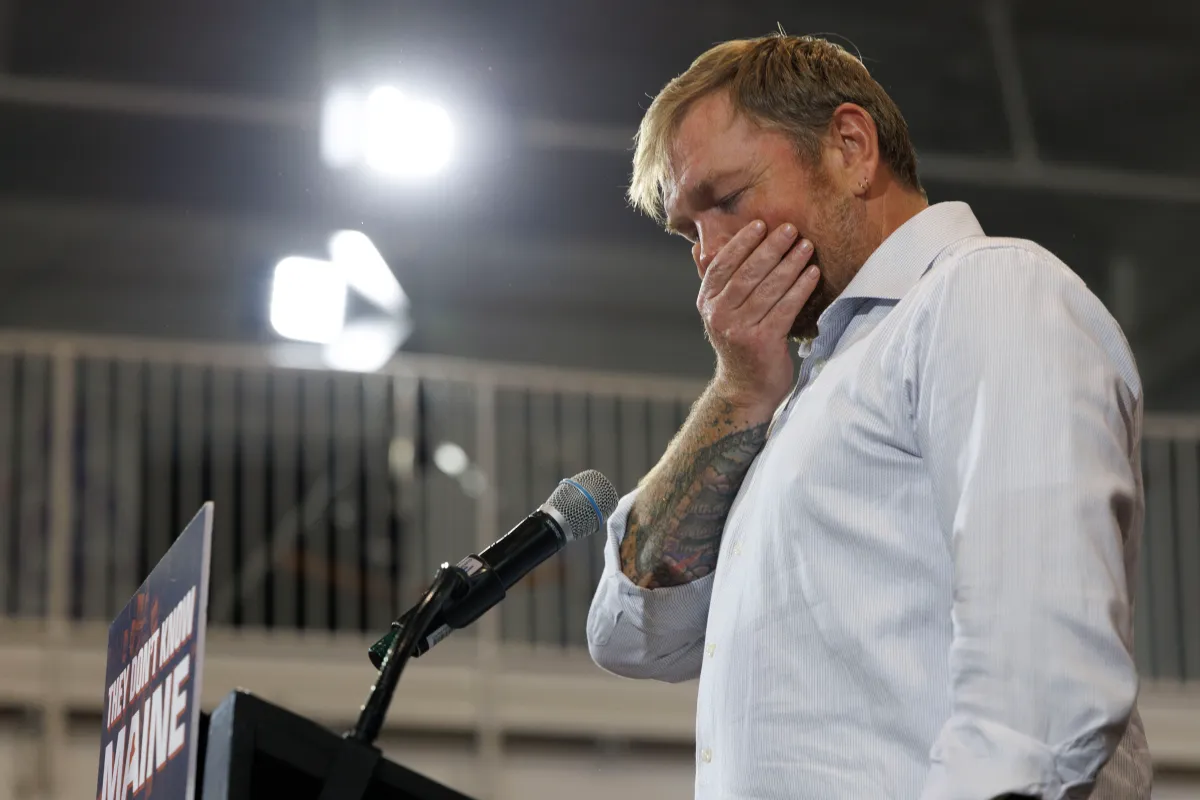
The race for Maine’s Democratic Senate nomination has been thrown into sudden turmoil following the abrupt departure of frontrunner Graham Platner. Facing serious allegations of sexual assault from a former girlfriend—which he has denied—Platner saw his campaign crumble almost overnight as top party leaders withdrew their support and demanded his exit. His official resignation on Friday has left a massive void in a high-stakes battleground contest. This race is absolutely vital for Democrats nationally, as they aim to unseat incumbent Republican Senator Susan Collins, a formidable political force who has held the office since 1997, in their bid to secure a majority in the U.S. Senate this November.
With the clock ticking loudly, Maine Democrats are operating under an incredibly tight deadline. According to state law, the party has only until July 27 at 5:00 p.m. ET to officially submit a replacement nominee. Rather than panicking, party leaders are mobilizing rapidly to organize a special nominating convention scheduled for July 25. The decision-making power will rest in the hands of 601 delegates. This group will consist of 101 pre-elected members of the Democratic State Committee and 500 grassroots delegates chosen from Maine’s 16 counties, with representation scaled according to voter turnout in the 2024 primary.
In a recent and energetic video update posted on X (formerly Twitter), party officials shared “some big updates from here on the ground in Maine,” revealing a surge of local enthusiasm. So far, four candidates have officially declared their intent to run, with another four actively preparing to file their paperwork. This potential field of eight contenders could grow even larger, as local outlets like Maine Public predict more hopefuls will jump into the ring. The response from everyday Mainers has been overwhelming, with over 2,000 citizens from all 16 counties signing up within the first 24 hours to become delegates or to participate in the local selection process.
To ensure a fair and democratic transition under pressure, the party has outlined a clear, step-by-step roadmap on its website. First, candidates must declare their intent and gather the necessary signatures to secure their spot on the ballot. Next, on July 18 and 19, individual counties will host special nominating meetings where local participants will vote to elect their representatives. Ultimately, the entire process will culminate on July 25 at the Bangor Cross Insurance Center, where the 601 delegates will gather to cast their ballots. To ensure a decisive victory, voting will proceed in rounds; the candidate with the fewest votes will be eliminated after each turn until someone secures a clear majority.
Faced with criticism over the lack of a traditional public vote, the party has strongly defended its decision to bypass a “snap primary,” pointing out that state laws and the extremely compressed timeline made a statewide public election impossible. “These circumstances are unprecedented, but our state party is ready and capable of rising to this challenge,” party officials affirmed in a statement. This sentiment of resilience and urgency has galvanized the party’s base, turning a potential logistical nightmare into a showcase of local political engagement and organizational strength.
As the dust settles, a highly competitive crop of seasoned leaders has already stepped forward to claim the mantle. The three Democrats who finished directly behind Platner in the June gubernatorial primary have officially jumped back into the arena. This heavyweight trio includes Nirav Shah of Brunswick, the highly respected former director of the Maine CDC; Troy Jackson of Allagash, the influential former State Senate President; and Shenna Bellows, the current Secretary of State. With such prominent figures entering the fray, Maine Democrats are gearing up for a swift, intense, and historic sprint to find the nominee who can unite the party and challenge Susan Collins in November.