






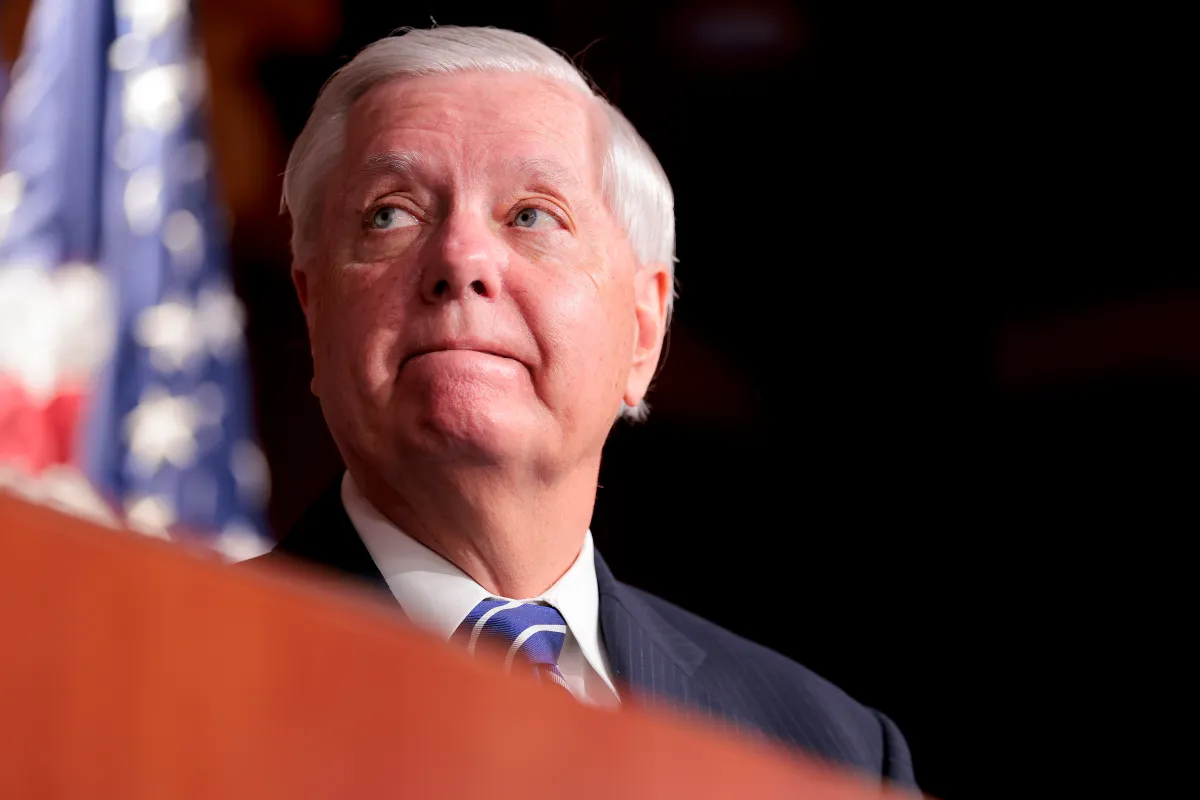
The sudden and unexpected passing of Senator Lindsey Graham has sent shockwaves through both South Carolina and the national political landscape. For over two decades, Graham stood as one of the most recognizable, influential, and mercurial figures in the United States Senate. A fierce defender of his home state and a pivotal ally to Donald Trump, his death leaves a massive void at the center of conservative politics. Almost immediately, his passing has ignited intense speculation and strategic maneuvering within the South Carolina Republican Party. Political observers and anxious voters alike are asking two interlocking questions: who will Governor Henry McMaster appoint to temporarily fill the seat, and who will ultimately carry the GOP banner into the high-stakes November election to secure a full term?
Governor McMaster now holds monumental political power in his hands as he contemplates how to approach this vacancy. Political science experts, such as Dr. Scott H. Huffmon from Winthrop University, suggest the Governor is facing a crucial tactical decision. McMaster could choose a “placeholder” appointment—someone elderly, widely respected, and content to hold the seat temporarily without harboring future electoral ambitions—or he could make a “strategic” appointment. A strategic choice would instantly elevate a favored ally, giving them the immense advantages of incumbency and a national platform to boost their chances of winning the party’s nomination for the general election. Regardless of his approach, any potential candidate must possess unwavering loyalty to Donald Trump, whose endorsement remains the ultimate golden ticket in South Carolina’s deeply red political landscape.
Among the seasoned political veterans eyeing the seat, Representative Joe Wilson has wasted no time making his ambitions known. The 78-year-old dean of South Carolina’s congressional delegation has already expressed active interest in both the temporary appointment and running for a full term in November. While Wilson offers decade-long institutional knowledge and deep roots in Washington, his age may cause some party leaders to hesitate when looking for a long-term successor. On the other end of the veteran spectrum is former Governor and UN Ambassador Nikki Haley. Though she has not officially thrown her hat into the ring, Haley’s universal name recognition, formidable fundraising prowess, and national political stature would immediately make her an incredibly powerful, clear-frontrunner candidate if she chose to return to public office.
Meanwhile, a highly competitive crop of sitting U.S. Representatives is already heavily discussing their prospects. Representative Nancy Mace, known for her sky-high national media profile and proven ability to raise millions, is reportedly “strongly considering” a run. While Mace has built a massive brand among grassroots conservatives, her recent loss in the state’s gubernatorial primary might give some establishment leaders pause. Conversely, Representative Ralph Norman represents the uncompromising, deeply conservative activist wing of the party. Well-funded and highly ambitious, Norman recently ran a vigorous statewide campaign for governor. Though he fell short in that bid, his staunch alignment with populist Trump ideologies makes him a favorite among the state’s most dedicated conservative base.
The search for Graham’s successor also shines a spotlight on the next generation of South Carolina leadership. Representatives like Russell Fry and William Timmons offer the Republican Party an opportunity to elevate younger, forward-looking voices. Fry, a rising star with exceptionally close ties to the Trump movement, represents a youthful alternative capable of building a decades-long Senate career. Similarly, Lieutenant Governor Pamela Evette remains a compelling option. Having recently advanced to a high-profile gubernatorial runoff with Donald Trump’s endorsement, Evette possesses seasoned statewide campaign experience and strong executive credentials, making her a highly viable consensus candidate who could bridge the gap between different factions of the party.
As the state GOP navigates this sudden transition, the clock is ticking loudly. Dr. Robert Oldendick of the University of South Carolina highlights that whoever emerges from this political crucible must be immediately prepared for a tough, swift general election campaign against Democratic challenger Annie Andrews. While South Carolina remains a reliably red state, the sheer suddenness of Graham’s death means there is no clear consensus candidate. Over the coming days, Governor McMaster’s office will become the epicenter of American politics. Replacing a political giant like Lindsey Graham—a man who shaped judicial appointments, foreign policy, and national debates for a generation—will require the GOP to find someone who is not just capable of winning an election, but someone who can command the national stage.