





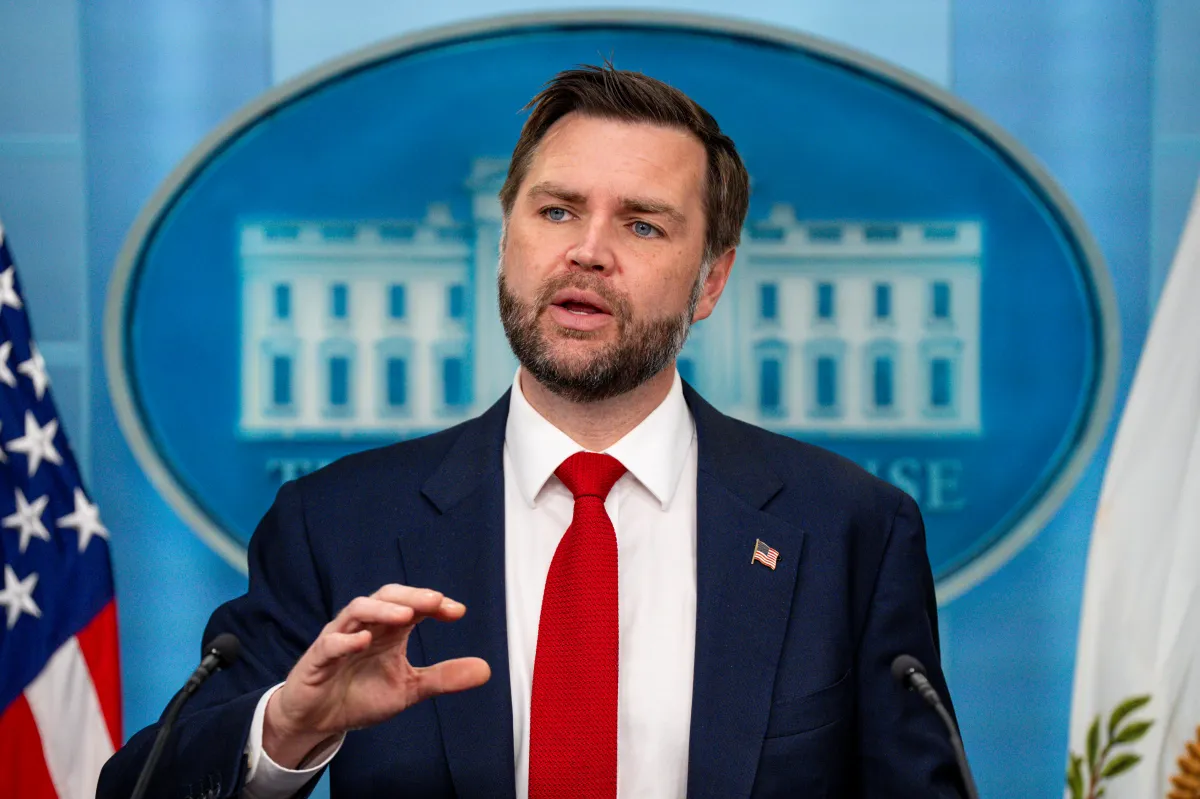
Vice President JD Vance’s Sunday arrival in Lucerne, Switzerland, signals a high-stakes, historically complex moment in international diplomacy as the United States and Iran embark on a critical phase of negotiations over Tehran’s nuclear capabilities. Nestled against the tranquil, snow-draped peaks of the Swiss Alps and the glassy waters of Lake Lucerne, this diplomatic summit serves as a stark, almost surreal contrast to the volatile geopolitical tensions it is tasked with defusing. Vance’s journey to the prestigious Bürgenstock resort follows the recent, surprise signing of a momentous framework agreement—a memorandum of understanding—brokered directly between U.S. President Donald Trump and Iranian President Masoud Pezeshkian. This framework outlines an incredibly tight, high-pressure 60-day window during which technical teams and high-level diplomats from both nations must hammer out the hyper-specific, legally binding operational details of a final, permanent treaty. The primary objective is to end the grinding, multi-decade shadow war between Washington and Tehran, replacing a bitter legacy of economic sanctions, cyberwarfare, and proxy conflicts with a structured, verifiable peace. For Vance, whose political identity was forged in domestic populist advocacy rather than conventional foreign policy, this trip represents a trial by fire in the highest echelons of global statecraft, where any misstep could carry catastrophic consequences for Middle Eastern stability, international maritime security, and the fragile global economy.
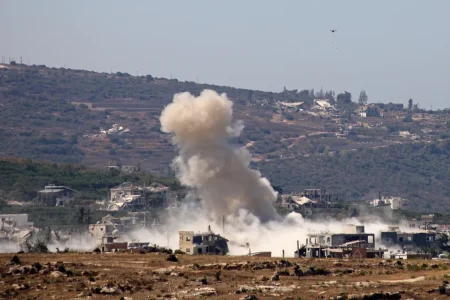
The serene atmosphere of the Swiss luxury resort is severely challenged by the violent realities of the Middle East, which threaten to derail the talks before the negotiators can even sit down at the bargaining table. Just days after President Trump and President Pezeshkian signed the initial framework agreement, heavy fighting erupted between Israeli forces and the Iranian-aligned Hezbollah movement in Lebanon, casting a long, dark shadow over the diplomatic efforts in Lucerne. Simultaneously, Iran’s military high command sent shockwaves through the global community by claiming it had closed the Strait of Hormuz—the narrow, strategically vital maritime chokepoint through which roughly twenty percent of the world’s traded petroleum and liquified natural gas flows daily. This aggressive posturing caused immediate logistical headaches, delaying Vance’s scheduled Friday arrival as Iranian negotiators temporarily pulled back from preliminary discussions. Though U.S. Central Command quickly issued public statements disputing Tehran’s claims of a blockade—insisting that American naval forces continue to actively patrol the waterway to secure uninterrupted commerce—the physical and psychological tension remained palpable. The delay demonstrated to the world how easily regional escalations can paralyze the most earnest diplomatic efforts, reminding Vance of the immense gap between signing a piece of paper in a quiet European boardroom and enforcing peace on a volatile, heavily armed global stage.
Despite these intense external pressures, the diplomatic machinery was successfully resurrected as high-powered delegations from both sides arrived in Switzerland to begin the painstaking work of technical negotiation. The composition of the Iranian envoy signalized the supreme importance Tehran places on the economic relief promised by the summit, bringing together parliamentary speaker Mohammad Bagher Qalibaf and Foreign Minister Abbas Araghchi, alongside a highly specialized entourage of central bankers and state oil executives. On the American side, Vance joined forces with specialized envoy Steve Witkoff and Jared Kushner, President Trump’s son-in-law and a key architect of previous Middle Eastern diplomatic breakthrough agreements. This critical gathering has also drawn vital regional mediators, most notably Pakistani Prime Minister Shehbaz Sharif and army chief Field Marshal Asim Munir, alongside senior Qatari diplomats who have long served as trusted conduits of backchannel communications. The Pakistani delegation’s active participation, marked by separate bilateral meetings with Swiss, American, and Iranian representatives, highlights the shared consensus among regional powers that a peaceful resolution is absolutely essential to prevent a wider, uncontrolled war that would devastate neighboring economies and destabilize South Asia.
However, the path to a final agreement is deeply complicated by intense domestic political friction within the United States, where the Trump-Vance administration faces fierce skepticism from within its own party. Republican hardliners and national security hawks have expressed deep alarm over the terms of the provisional deal, drawing unfavorable comparisons to the landmark 2015 Joint Comprehensive Plan of Action (JCPOA) negotiated by the Obama administration—a deal that Donald Trump famously tore up during his first term. Critics argue that the current framework is overly generous, as it immediately permits Iran to resume unrestricted oil shipments to global markets and grants Tehran access to billions of dollars in foreign assets that had been frozen under strict U.S. banking sanctions. In exchange, the current framework demands that Iran dilute its stockpiles of highly enriched uranium, much of which is buried deep within heavily fortified, underground bunkers that survived previous U.S. and allied military strikes. For conservative detractors, this arrangement feels like a lopsided compromise that risks enriching an adversarial regime in exchange for temporary nuclear concessions, creating a complex political tightrope for Vance as he seeks to defend the administration’s pragmatic realpolitik while managing his own future political ambitions.
While politicians argue over the strategic wisdom of the deal, global financial markets and everyday consumers are watching the proceedings with an anxious focus on energy prices and maritime security. The interim framework grants global shipping lines a sixty-day window of toll-free transit through the Strait of Hormuz, though it conspicuously leaves the door open for Iran to potentially impose future regulatory fees once the final treaty is implemented. Adding to the market uncertainty, Donald Trump issued a characteristic warning over the weekend, threatening to impose reciprocal American-led tolls on the vital shipping channel if a final agreement fails to materialize, arguing that such payments would be fair compensation for the United States acting as the “Guardian Angel” of Middle Eastern stability. For the average citizen, these abstract geopolitical maneuvers translate directly into economic anxiety, particularly as rising fuel costs have burdened American households ahead of the crucial summer travel season. Although global oil futures fell by nearly eight percent immediately following the initial framework announcement, suggesting a wave of investor optimism, the market’s stability remains incredibly delicate, highly sensitized to every social media post, military maneuver, and diplomatic breakthrough emerging from the Swiss negotiations.
Ultimately, the most challenging obstacle to a durable, lasting peace is the glaring omission of the region’s most active combatants—specifically Israel and Hezbollah—from the negotiating table in Switzerland. While Washington and Tehran argue over uranium stockpiles and financial assets, the physical war on the ground continues unabated, driven by deep existential fears and divergent national security doctrines. Israeli Prime Minister Benjamin Netanyahu has repeatedly pledged to maintain a heavy, active military presence in southern Lebanon until the threat of Hezbollah rocket fire is completely eliminated, while the militant group insists it will continue its armed campaign until Israel commits to a full, unconditional withdrawal. The tragic human cost of this ongoing disconnect was laid bare in the immediate wake of the Swiss framework announcement, with intense border clashes claiming the lives of forty-seven Lebanese citizens and four Israeli soldiers. As Vice President Vance prepares to return to the United States after a brief, symbolic stay—leaving the tedious, granular work of drafting the treaty to Kushner and Witkoff—the world is left to wonder whether a bilateral deal between two distant capitals can ever hope to pacify a region currently consumed by active, bloody conflict.