




As the highly anticipated opening match between Mexico and South Africa draws near, the global football community is buzzing with excitement, ready to witness the grand unveiling of the expanded, historic forty-eight-team 2026 FIFA World Cup. This massive expansion was met with skepticism by some who feared it would dilute the prestige of the tournament, but the group draw has quickly silenced detractors by creating some of the most competitive, unpredictable, and strategically fascinating matchups in modern football history. Nowhere is this high-stakes drama more prominent than in Group F, a powerhouse quartet that stands out as one of the most compelling and balanced sections in the entire tournament landscape. Far from a group containing easy filler teams designed to make the historic giants look good, Group F is a psychological minefield where all four competing nations—the Netherlands, Japan, Sweden, and Tunisia—genuinely believe they possess the pedigree, tactical blueprints, and sheer willpower not only to survive but to advance deep into the knockout rounds as group leaders.
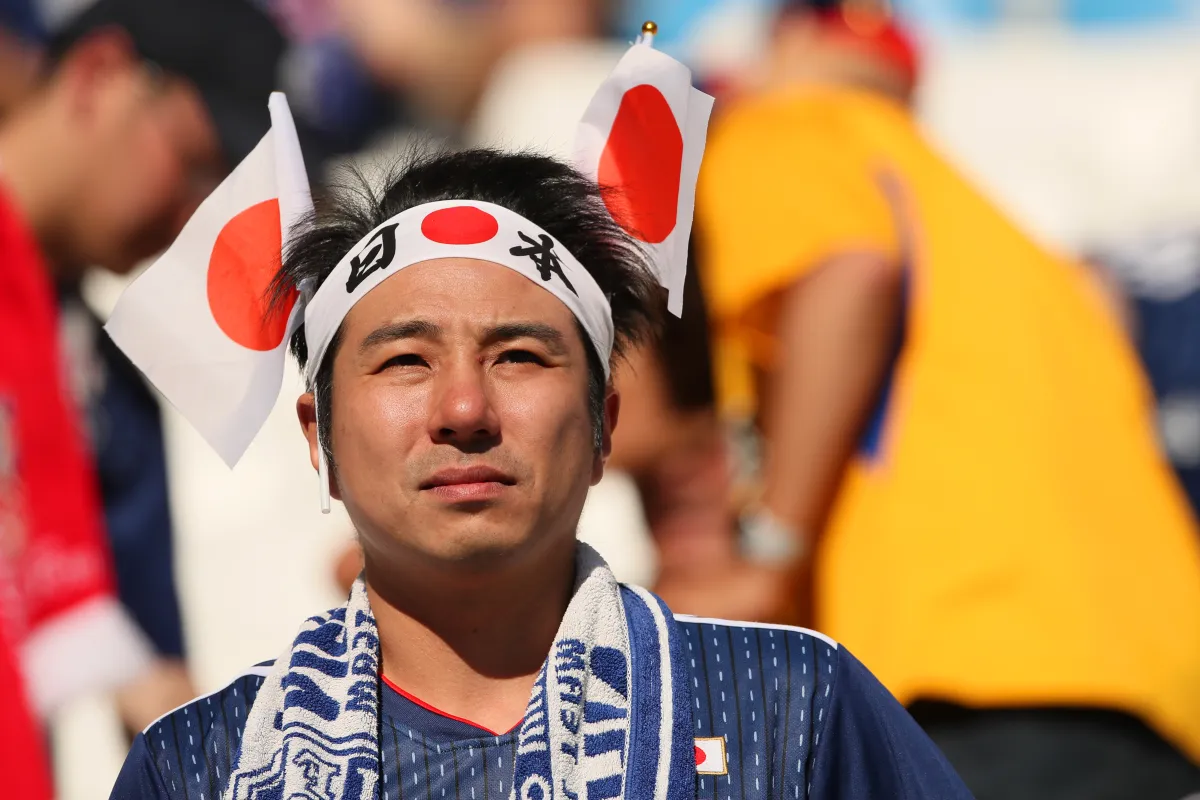
The crown jewel of the group’s schedule arrives early, offering fans a box-office opening clash between the iconic Oranje of the Netherlands and the disciplined Samurai Blue of Japan. Historically, the Netherlands represents the ultimate romantic tragedy of international football; they are widely celebrated as the greatest nation to never hoist the World Cup trophy, having pioneered “Total Football” and fallen painfully short in three separate finals. While they do not enter the 2026 tournament as outright favorites, this Dutch squad possesses a balanced, dangerous roster that makes them an incredibly potent dark horse capable of defeating any team on their day. On the opposing side stands a Japanese squad that many astute tacticians quietly consider to be the most cohesive and well-drilled team in the entire tournament. What Japan lacks in world-famous, individual superstar names, they more than make up for with a relentless, selfless collective playstyle, turning their squad into tactical chameleons who can suffocatingly press high up the pitch or drop into a deeply organized, unbreakable defensive block.
To fully appreciate the threat that Japan poses to traditional European powerhouses, one must look at how manager Hajime Moriyasu has fostered a culture of absolute resilience and collective accountability, enabling his team to consistently turn difficult situations into tactical masterclasses. The Japanese squad was dealt a devastating blow prior to the tournament when their talismanic winger, Kaoru Mitoma, was ruled out due to a severe injury, a loss that would understandably derail the ambitions of most national teams. Yet, the beauty of the Samurai Blue lies in their mechanical precision; when one vital cog in the machine breaks, they do not panic or waver, but instead seamlessly reload, cover for each other’s weaknesses, and emerge even stronger. This collective strength is vividly reflected in their recent international record, which boasts incredibly impressive, statement-making victories over heavyweights and disciplined squads alike, including a thrilling 3-2 victory against Brazil, a dominant 2-0 win over Ghana, and clinical, clean-sheet triumphs over England, Scotland, Iceland, and Bolivia.
While the tactical battle between the Dutch and the Japanese will capture the tactical imagination of the world, neither of those squads may actually boast the single most talented individual player in the entire group. That honor belongs to Sweden’s talismanic striker, Alexander Isak, a player whose career narrative heading into this tournament is packed with high-stakes human drama and a burning quest for personal redemption. Under peak pressure, English giants Liverpool shattered the British transfer fee record by parting with an astronomical $170 million to bring Isak over from Newcastle, only for the young prodigy to experience a deeply frustrating, injury-plagued debut season at Anfield where he struggled to find his rhythm and managed only three goals in fourteen appearances. After suffering a devastating broken ankle in December that threatened to derail his entire season, Isak has undergone a grueling, highly focused rehabilitation process, declaring himself in elite physical condition just in time to lead his nation on the world stage. If Sweden can successfully unlock the devastating, multi-million-dollar version of Isak that terrorized Premier League defenses, they possess the explosive firepower necessary to completely disrupt the group hierarchy and launch a surprise run at the top spot.
However, any team that overlooks the final piece of the Group F puzzle, Tunisia, does so at their own peril, as the North African side brings a proud history of defensive organization, passionate fan support, and a reputation for being an incredibly stubborn obstacle to break down. In typical World Cup groups, there is often a designated underdog destined to finish bottom without a fight, but Tunisia’s legendary work ethic and tactical discipline mean they will push their European and Asian counterparts to their absolute physical limits. This environment makes Group F a fascinating war of attrition where the margin for error is razor-thin; a single defensive lapse from the favorites, a mistimed tackle, or a moment of magic from Isak could completely alter the mathematics of the group standings. With the tournament’s expanded format allowing the best third-place teams to progress to the Round of 32, every single goal scored and conceded in these matches will carry immense weight, meaning that even a fourth-place team like Tunisia has the potential to act as a dramatic kingmaker.
When the dust finally settles on this captivating group, the final standings will likely reflect the triumph of collective harmony over individual stardom in a outcome that is set to defy conventional footballing wisdom. Despite the heartbreaking absence of Mitoma, the indomitable spirit and tactical perfection of the Japanese national team will shine through, leading them to stage a thrilling, statement-making upset over the Netherlands in their opening match to ultimately claim the top spot in Group F. The Netherlands will recover from this early setback, utilizing their deep tournament experience and defensive quality to comfortably secure the second spot, while a resurgent, Isak-inspired Swedish squad will battle fiercely to claim third place and successfully advance to the Round of 32 as one of the best-performing third-place teams. While a heroic and hardworking Tunisia will likely finish fourth and face a heartbreaking early exit, they will do so with their heads held high, leaving Group F remembered as a beautiful, exhausting testament to the unpredictable drama that makes the World Cup the greatest show on Earth.