



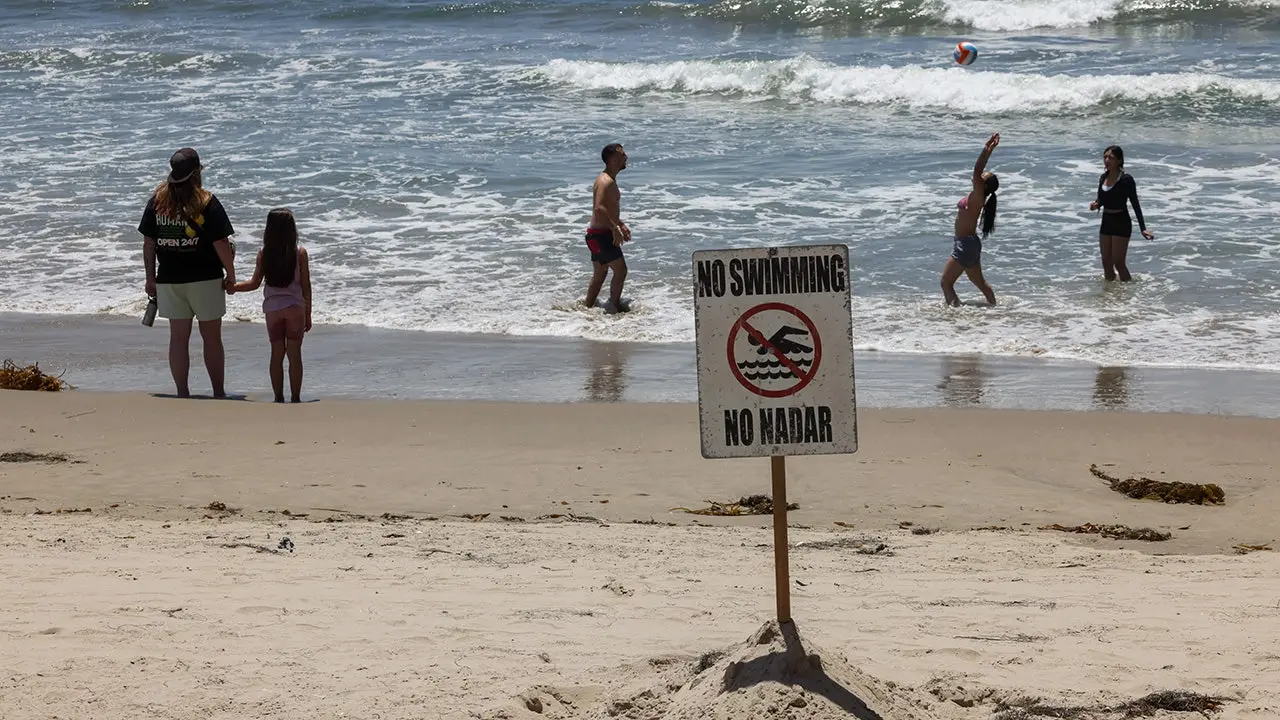
As the golden warmth of summer beckons, millions of eager travelers are preparing to descend upon coastal escapes, searching for solace in the rhythmic rise and fall of the ocean waves. Yet, beneath this sunny anticipation lies a sobering reminder of our fragile relationship with the natural world, particularly along the iconic shoreline of California. One of the state’s most beloved beach hotspots has once again found itself tarnished by its inclusion on a notorious pollution list, casting a shadow of environmental anxiety over the upcoming holiday season. This beautiful yet threatened sanctuary highlights a delicate paradox: our desperate need to connect with nature often clashes with the structural footprint we leave behind. To manage the looming crowds and mitigate environmental strain, local authorities are implementing strict new summer regulations, including hefty fines of up to five hundred dollars for visitors who pitch oversized beach canopies. For generations of beachgoers, these canopies have served as colorful, makeshift living rooms on the sand, offering shade and a sense of home. Now, these new restrictions serve as a gentle yet costly reminder that our access to these shared natural wonders is no longer unconditional, requiring a collective shift toward mindfulness, preservation, and a deeper respect for the coastlines we so eagerly love to claim as our temporary sanctuaries.
Far from the damp, salty air of the Pacific, another kind of human drama is quietly unfolding under the searing sun of the Mojave Desert, where a once-vibrant gateway is fighting for its very survival. On the border of California and Nevada, the fading gambling hub of Primm is witnessing the poignant end of an era as its final operating casino resort prepares to turn off its neon lights for good. Yet, amidst this decline, the resilient family behind the legendary Primm Valley Resorts refuses to let the town dissolve into ghost-town folklore. They are pouring their hearts and resources into a passionate revival effort, hoping to breathe fresh energy into the dusty, quiet streets and rekindle the nostalgic charm that once dazzled weary highway travelers seeking a taste of Nevada’s classic excitement. This struggle is about far more than preserving brick-and-mortar structures or reviving slot machines; it is about honoring a rich family legacy and preserving the memory of a colorful American roadside culture. It represents a classic tale of human determination fighting against the relentless tide of shifting economic climates, proving that even in the vast, unforgiving desert, the spirit of hope and reinvention can refuse to be buried by the passing of time.
While some fight to keep modern monuments from fading into the desert dust, others are testing the boundaries of human endurance in some of the most unforgiving corners of the globe, where the Earth guardedly holds its oldest secrets. A recent high-stakes expedition into one of our planet’s harshest and most extreme environments resulted in a breathtaking discovery that had managed to evade explorers and researchers for generations. This forgotten relic of the past, hidden deep within a landscape designed to deny human survival, reminds us of the endless curiosity that drives us to map the unmappable and seek answers in the cold, silent expanses of the wild. Such encounters with the unknown remind us of how small we are in the grand tapestry of geologic time, yet how powerful the human drive remains to bridge the gaps of history. Those who brave these elements do not just seek physical artifacts; they seek a deeper communion with the adventurers who came before them, demonstrating that no matter how hostile the terrain, the relentless spark of human curiosity will always find a way to pierce through the ice, sand, and passage of time to uncover the truths left behind.
In our pursuit of wonder, thrill, and escape, we often construct elaborate arenas of excitement, yet we are occasionally reminded of just how quickly these marvels of engineering can yield to the unexpected. For a group of thrill-seekers visiting a Six Flags amusement park, a routine day of gravity-defying fun took a sudden, heart-stopping turn when a sudden power outage froze a towering roller coaster mid-course, leaving riders suspended high above the ground. The collective gasp of the crowd below surrendered to a tense silence as passengers were forced to carefully descend a steep, narrow emergency staircase, matching the mechanical scale of the coaster with the fragile steps of human survival. Similarly, in a much more perilous unfolding of events on the open water, a group of vacationers found themselves thrust into a sudden life-or-death struggle when a hovercraft tour spiraled into disaster without warning. These moments of sudden vulnerability strip away the polished illusions of our modern leisure industries, transforming ordinary tourists into collective survivors who must rely on sheer courage, mutual trust, and the swift hands of emergency responders to return safely to solid ground.
Yet, even as we navigate the unpredictable currents of the present, the earth beneath our feet continually whispers the stories of those who walked it long before us, often choosing the most unsuspecting messengers to receive them. During a simple family outing, an eight-year-old boy made the discovery of a lifetime, stumbling upon a rare, seventeen-hundred-year-old Roman statuette fragment that had quietly rested in the soil, waiting for centuries for a child’s curious gaze to bring it back to light. Meanwhile, a modern transit expansion project took on a profound historical life of its own when construction crews unearthed an extraordinary, long-buried archaeological treasure trove directly beneath the bustling path of urban progress. Even within the quiet, sacred chambers of museum preservation, scientists have recently looked inside an ancient Egyptian mummy to unlock a startling secret that directly links one of humanity’s greatest classic literary epics to the physical realities of the ancient world. These extraordinary discoveries, spanning continents and centuries, highlight the beautiful continuity of the human experience, proving that our modern cities, subways, and family vacations are built directly over a magnificent, sleeping museum that is constantly waiting to be awakened.
Nowhere is this connection between the earth and the human heart more beautifully realized than in the quiet, healing lands of Arkansas, where a profound moment of grace recently touched a soul burdened by unimaginable sorrow. After enduring a devastating season of loss characterized by the painful passing of both her father and her young son, a grieving woman sought solace in the quiet expanse of Crater of Diamonds State Park, a place where people from all walks of life dig through the dark, volcanic soil in search of hidden treasures. In a moment that felt entirely meant for her, she looked down to discover an unusually large, glittering diamond resting in the dirt—a literal spark of light born from intense pressure, darkness, and time. Clutching the shimmering stone, she wept, sharing that she had deeply prayed for such a sign to help heal her broken dynamic, unable to fully process that a miracle of nature had bloomed right before her eyes. This breathtaking find serves as a beautiful, poetic reminder for all of us that even after the harshest winters of grief and hardship, life still holds the capacity to surprise us with unimaginable beauty, proving that hope is never truly lost as long as we keep searching.