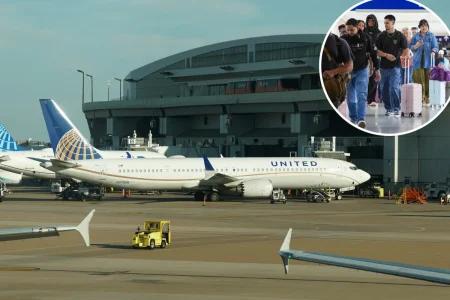



For anyone who has ever sprinted through a bustling airport terminal, clutching a lukewarm coffee in one hand and a digital boarding pass in the other while silently praying that the heavy glass doors of the jetway do not slide shut, those final moments before a flight are filled with a very specific, high-stakes adrenaline. Southwest Airlines, a carrier long beloved by budget-conscious travelers for its laid-back charm, friendly crew members, and famously hospitable atmosphere, is now asking its loyal passenger base to adjust their pre-flight mental clocks just a little bit earlier. The Dallas-based airline has quietly but significantly modified its domestic boarding protocols, urging passengers and crew to assemble at their assigned departure gates exactly five minutes earlier than previously required. While five minutes might seem like an almost imperceptible tick of the clock in the grand scheme of a cross-country journey, in the highly synchronized, incredibly precise dance of modern commercial aviation, it represents a massive operational shift designed to combat the growing, frustrating headache of boarding-gate delays. For everyday travelers, this means the familiar, comforting pre-flight rituals—whether that involves slowly browsing through books at an airport newsstand, sitting down for a quick meal, or waiting in a notoriously long line for a morning espresso—must now be truncated. Passengers are being nudged to wrap up their terminal activities sooner and make a direct, purposeful march to their departure gates. This adjustment is a small but telling reflection of how the contemporary flying experience is constantly changing under the weight of passenger demands and operational realities, transforming the way we prepare to take to the skies and requiring all of us to be just a little more nimble, organized, and time-conscious than we were before.
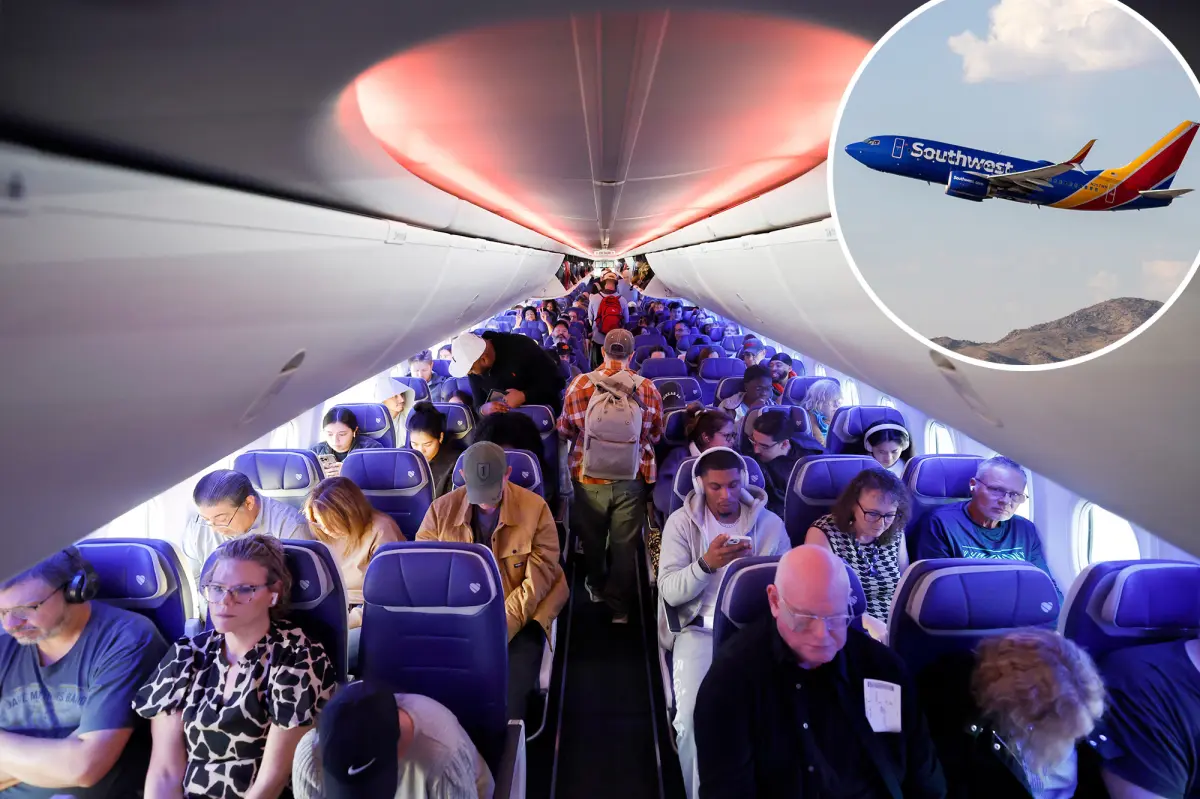
To truly understand why Southwest is clawing back these precious five minutes, one has to look at the massive shift in passenger behavior triggered by the airline’s recent, highly discussed policy overhauls. In May 2025, Southwest officially retired its legendary and long-standing “Two Bags Fly Free” policy, which had historically allowed travelers to check up to two bags without paying an extra dime—a perk that set the carrier apart from almost every other major airline in the United States. Under the newly instated regulations, the carrier began charging fees for checked baggage, leaving passengers with only a single free carry-on bag to bring on board. Human nature, of course, dictates that travelers will always seek the path of least financial resistance, and the immediate consequence of this policy change was an unprecedented influx of oversized rolling suitcases, bursting duffel bags, and stuffed backpacks entering the aircraft cabin. Suddenly, passengers who would have happily handed their luggage over to be stowed safely in the cargo hold were now determined to squeeze every single item of their clothing, shoes, and personal belongings into the single free bag they could carry onto the plane. This mass migration of luggage from the belly of the aircraft to the cabin overhead bins has created a daily logjam of epic proportions, as travelers desperately hunt for any available sliver of space to cram their oversized bags. The resulting visual is a chaotic scene played out on almost every flight: passengers struggling with heavy zippers, shoving bags in backward and forward, and blocking the narrow aisles while a growing line of impatient fliers forms behind them, ticking away the valuable minutes before takeoff.
The cabin congestion reached a breaking point when Southwest coupled the luggage policy change with another monumental shift in its operational philosophy: the introduction of assigned seating in January of this year. For decades, Southwest was famous—and sometimes infamous—for its open-seating policy, which operated on a first-come, first-served basis where passengers lined up by lettered and numbered groups and chose any open seat once they stepped onto the plane. While this system had its critics, it was undeniably fast, encouraging people to quickly claim a seat and clear the aisle. However, with the transition to traditional assigned seating, the human psychology of boarding underwent a dramatic and sluggish transformation. Under the new assigned seating paradigm, passengers are no longer motivated to grab the very first seat they see; instead, they must navigate all the way to their designated row, regardless of how crowded the aisle might be. Compounding this issue is the natural desire of passengers to store their carry-on luggage directly above or within arm’s reach of their assigned seats, rather than utilizing open bin space closer to the front of the aircraft. Consequently, crew members began witnessing a highly frustrating bottleneck effect, as travelers would stop mid-aisle, struggle to find space in their immediate vicinity, and refuse to move backward or forward until their bag was safely stowed. Flight attendants, who are already tasked with managing safety protocols and assisting passengers, found themselves acting as high-stakes luggage Tetris champions, trying to rearrange heavy suitcases while the boarding clock ticked down, leading to a noticeable rise in delayed departures that threatened the airline’s reputation for punctuality.
To address these cascading delays without sacrificing the safety or comfort of their passengers, Southwest implemented the new boarding schedule on August 1, focusing the change primarily on the workhorses of their fleet. The airline now requires all flight attendants to report to their assigned gates and begin the boarding process no less than 35 minutes before departure, which is a notable increase from the previous 30-minute standard. This new mandate specifically targets domestic flights operated by the Boeing 737-800 Next Generation (NG) and the newer Boeing 737 MAX-8 series aircraft, which together constitute approximately 65 percent of Southwest’s entire active fleet. Because these larger, single-aisle aircraft carry a significantly higher volume of passengers and, consequently, a much larger mountain of carry-on baggage, they are the primary source of the boarding delays that the airline is desperately trying to curb. On the other hand, flights operated by the smaller Boeing 737-700 aircraft, which carry fewer passengers and feature shorter cabins, will continue to adhere to the traditional 30-minute boarding window. Meanwhile, international flights and routes heading to the tropical shores of Hawaii will maintain their existing 45-minute boarding buffer to accommodate the extra documentation checks, customs preparations, and unique packing habits of long-haul vacationers. By segmenting their fleet and targeting the specific aircraft that cause the most significant bottlenecks, Southwest hopes to optimize their schedule while minimizing the disruption to their hardworking flight crews, who must now adjust their own prep routines to accommodate the earlier boarding calls.
Despite this recent shift to a 35-minute boarding window, Southwest’s boarding process still remains remarkably fast and competitive when compared to the standards set by other major legacy carriers in the United States. For instance, powerhouse airlines like American Airlines typically begin the boarding process for their Boeing 737s and Airbus A321s a full 40 minutes before departure, and they only drop that window to 35 minutes for their slightly smaller Airbus A319 and A320 narrow-body jets. Similarly, industry giants Delta Air Lines and United Airlines almost universally initiate their boarding sequences at least 40 minutes before the wheels are scheduled to leave the tarmac. Historically, Southwest was legendary in the aviation industry for its lightning-fast “turnaround time”—the critical period between an aircraft landing, deplaning its passengers, being cleaned and restocked, boarding the next group of travelers, and taking off once again. During its golden era of operational efficiency, Southwest could regularly accomplish this entire complex sequence in a mere 25 minutes, a feat of logistics that remains a benchmark for low-cost carriers worldwide. Today, that level of extreme efficiency is matched almost exclusively by European budget carrier Ryanair, which famously foregoes routine cabin cleaning between short-haul flights to maintain potentially the fastest boarding and turnaround times on the planet. By keeping their boarding window at 35 minutes, Southwest is attempting to strike a delicate, modern balance: holding onto their historic competitive edge in speed and efficiency while realistically adapting to the physical and behavioral constraints of twenty-first-century air travel.
Ultimately, this subtle operational adjustment serves as a powerful reminder of the delicate, deeply human ecosystem that exists within the world of commercial aviation. Every policy change made in a corporate boardroom in Dallas has a direct, tangible ripple effect on the lived experiences of thousands of passengers navigating noisy terminals, as well as the frontline flight attendants who work tirelessly to ensure our journeys are both safe and pleasant. As travelers, it can be incredibly easy to view these shifting rules and shortened timelines with a sense of frustration or annoyance, seeing them as merely another obstacle in an already stressful travel landscape. However, by understanding the underlying reasons for these changes—the rise of carry-on luggage, the logistical challenges of assigned seating, and the sheer physics of boarding a modern aircraft—we can approach our travels with a greater sense of empathy, patience, and cooperation. Making the conscious decision to arrive at the gate just five minutes earlier, packing our carry-ons with consideration for our fellow passengers, and working alongside flight crews can transform a potentially chaotic boarding experience into a smooth, harmonious process. In an era where air travel often feels increasingly transactional and fast-paced, these five extra minutes offer us a collective opportunity to slow down, prepare mindfully, and ensure that we all reach our destinations with our peace of mind fully intact, ready to enjoy the journey ahead.