






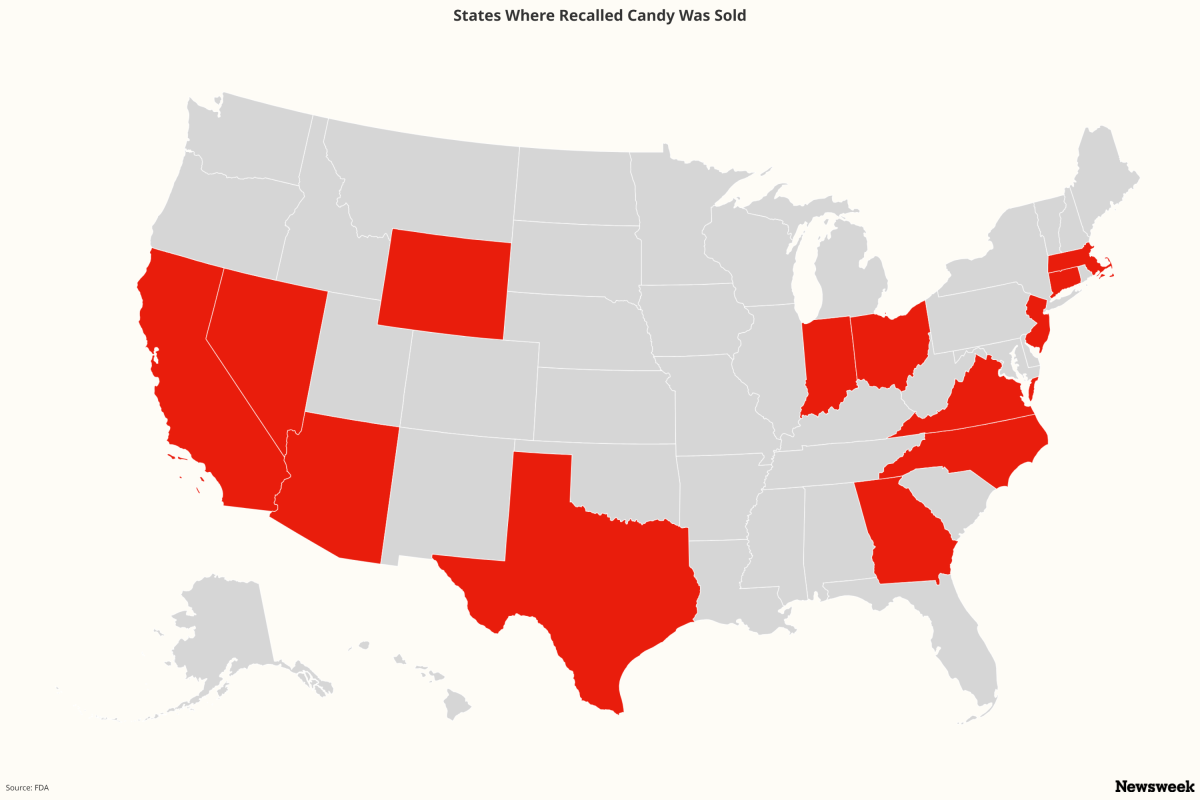
Halloween is supposed to be all about innocent fun: carving pumpkins, picking costumes, and letting kids raid their candy haul with wide-eyed wonder. But this year, a quiet shadow has fallen over the candy aisle. Just as Halloween treats are already showing up on store shelves, a New Jersey-based company called Crystal Temptations has issued a recall for certain packages of its “Little Temptations Chocolatey Eyeballs.” These spooky, festive candies were sold at well-known discount retailers including TJ Maxx, Marshalls, HomeGoods, and Sierra stores across more than a dozen states. The reason for the recall is not contamination or spoilage, but something far less visible and potentially more dangerous for a specific group of people: the candy contains milk, and that milk is not listed anywhere on the packaging. For someone with a milk allergy or severe sensitivity, eating these chocolatey eyeballs could trigger a serious, even life-threatening allergic reaction. The company announced the recall through a notice posted on the U.S. Food and Drug Administration’s website, and while no illnesses have been reported so far, the risk is real enough that officials are urging anyone who bought these treats to take immediate action. It’s a jarring reminder that even beloved seasonal snacks can hide unexpected dangers, especially for families navigating food allergies.
Let’s get into the specifics, because understanding exactly what is being recalled is crucial. The affected products are all varieties of “Chocolatey Eyeballs,” and there are five different package styles covered by the recall. The first is a 10-ounce plastic bag with style number 54040-CHEY. The second is a 7-ounce acrylic box with style number 54077-CHEY. The third is a 10.5-ounce round plastic jar with style number 58008-CHEY. The fourth is a 16-ounce plastic pouch bag with style number 58089-CHEY. The fifth is an 11-ounce plastic bag tied with a tag, with style number 54083-CHEY. These products were distributed in thirteen states: Arizona, California, Connecticut, Georgia, Indiana, Massachusetts, Nevada, New Jersey, North Carolina, Ohio, Texas, Virginia, and Wyoming. If you have one of these packages sitting in your pantry, or if you remember buying chocolate eyeballs from any of those stores recently, it’s worth checking the packaging right now. Even if you don’t have a milk allergy in your household, someone else might—maybe a neighbor, a young trick-or-treater, or a friend stopping by during a Halloween party. Because the milk is undeclared, there is no way for consumers to know about the risk just by looking at the candy. That is what makes this recall so unsettling. The product looks harmless, perhaps even cute in a creepy-crawly kind of way, but for a child with a dairy allergy, a single bite could be enough to send them to the emergency room.
How did this happen? According to the recall announcement, the problem was discovered by a TJX analyst, who noticed that the Chocolatey Eyeballs contained whey—a milk protein—even though the packaging did not disclose milk as an ingredient. That discovery triggered a follow-up investigation, and the company ultimately concluded that the issue was caused by a temporary breakdown in their production and packaging processes. In other words, somewhere along the line, the usual safeguards failed. A batch of candy that should have been labeled properly made its way into distribution without the necessary allergy warning. For a smaller company like Crystal Temptations, which is based in North Arlington, New Jersey, this kind of mistake is a serious blow to consumer trust. It also highlights how fragile the food safety net can be. We tend to assume that the labels on our food are accurate, that the ingredient lists are complete, and that the people making our snacks are following every rule. But recalls like this one show that errors can happen even when companies intend to do the right thing. The good news is that the problem was caught before anyone reported getting sick. The company acted quickly to notify the public and is now asking consumers to throw the recalled candy away. Still, the incident leaves an unsettling question hanging in the air: if this could happen with chocolate eyeballs, what else might slip through the cracks?
Why is undeclared milk such a serious concern? The answer lies in how common milk allergies are and how severe the reactions can be. According to the FDA, milk is actually the most common undeclared food allergen, accounting for more than one-third of all U.S. food recalls caused by undeclared allergens over the past decade. That is an astonishing statistic, and it speaks to how frequently milk products end up hidden in foods where consumers least expect them. The FDA also notes that milk has been the leading cause of adverse reactions reported by consumers in connection with recalls over undeclared allergens, including some chocolate products. Milk allergy affects an estimated 2 percent of the U.S. population, according to studies based on a national survey from 2015-2016. That might sound like a small number, but in a country of more than 330 million people, it means millions of Americans are at risk. For them, eating a product with hidden milk is not a minor inconvenience; it is a medical emergency waiting to happen. Symptoms of a milk allergy can range from mild to severe, including hives, facial swelling, upset stomach, vomiting, and wheezing. In rare but frightening cases, exposure can trigger anaphylaxis, a potentially life-threatening reaction that can impair breathing and send the body into shock. Anaphylaxis requires immediate treatment with epinephrine and emergency medical care. So for a child or adult with this allergy, the Halloween candy bowl is not just a place of temptation—it’s a potential minefield. This recall is a sobering reminder that food labels are not just paperwork; for allergy sufferers, they are literally a matter of life and death.
If you are among the people who purchased these recalled Chocolatey Eyeballs, the message is simple: do not eat them, and do not donate them or pass them along to anyone else. The safest thing to do is to throw them away immediately. It might feel wasteful, especially if the package is unopened and the candy looks perfectly fine, but it is not worth the risk. The recall notice also says that refunds are not available at the stores where the products were purchased. That may seem frustrating, but there is another way to get your money back. Customers are asked to contact Crystal Temptations directly with proof of purchase. The phone number is 201-246-7990, and the line is open Monday through Friday from 9 a.m. to 5 p.m. Eastern Time. When you call, you will need to have your receipt or some other evidence that you bought the candy, so make sure to gather that before you dial. If you are not sure whether the product you bought is part of the recall, check the packaging for the style numbers listed in the announcement. If you see one of those numbers, treat it as a recalled product and follow the same steps. And if you know someone else who shops at these stores—a friend, a family member, a coworker—please share this information with them. Many people throw away recall notices without reading them, but in this case, a simple conversation could prevent a dangerous allergic reaction. Halloween should be a time of laughter and treats, not trips to the emergency room. Being informed and spreading the word is one of the best ways to protect the most vulnerable people in our communities.
At the heart of this recall is something bigger than one batch of chocolate eyeballs. It is a story about trust, transparency, and the hidden dangers that can lurk in everyday foods. For people with food allergies, every bite of processed food carries a certain level of risk, and recalls like this one reinforce how important it is for manufacturers to be diligent and honest. The fact that milk was present in the candy but not listed on the label is a serious labeling failure, and it is exactly the kind of mistake that can shake a family’s confidence in the food supply. But it is also a reminder that the system is designed to catch these problems. An alert analyst noticed the discrepancy, the FDA published the recall, and news outlets spread the word. That chain of communication can save lives, but it only works if consumers pay attention and act. As Halloween approaches, parents and caregivers should take a moment to review the candies their children bring home, especially if those children have allergies or are visiting homes where allergies are a concern. Even if a treat looks familiar, it is worth checking the label—or the recall list—before allowing it to be eaten. The Chocolatey Eyeballs recall may be a small story in the grand scheme of things, but it carries an important message: we should never take food safety for granted. By staying informed, asking questions, and looking out for one another, we can make sure that Halloween remains the joyful, spooky, and safe celebration it is meant to be.