


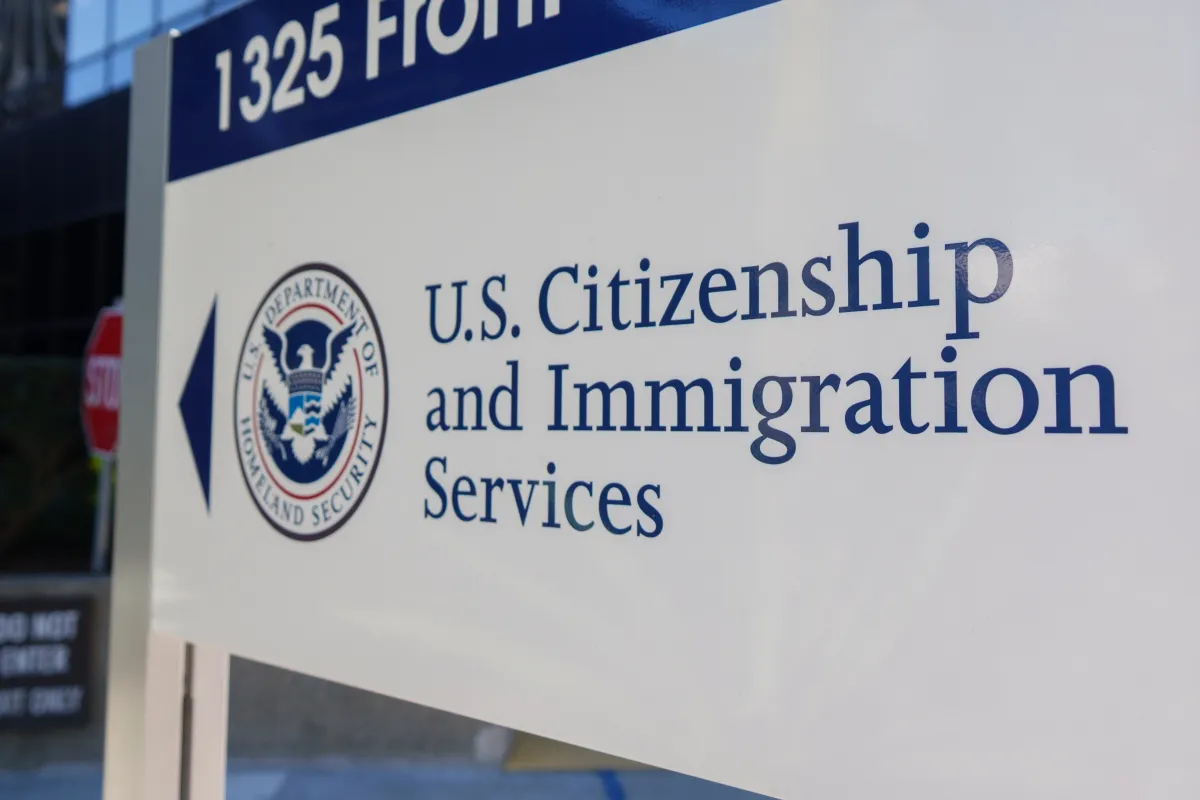
For decades, foreign nationals building lives in the United States—ranging from dedicated international students and skilled temporary workers to the loved ones of American citizens—coexisted under a reliable, predictable, and remarkably humane administrative paradigm. This long-standing procedural norm permitted them to navigate the final, crucial leg of their immigration journey, known as the Adjustment of Status (AOS) process, safely from within the geographic borders of the country they lived in, worked in, and had come to call home. By allowing applicants to remain legally in the United States while their permanent residency applications were officially reviewed, the system spared countless families, professionals, and students from the agonizing necessity of uprooting their daily lives, putting careers on hold, leaving their loved ones behind, and journeying back to their countries of origin to await processing inside backlogged foreign consulates. The peace of mind this process offered was immeasurable, as it allowed individuals to maintain their jobs, support their children in local schools, and contribute to their local communities without the constant fear of sudden, forced departure. However, a sudden, sweeping policy shift announced on a Friday by the Trump administration’s U.S. Citizenship and Immigration Services (USCIS) has completely shattered this baseline of stability, introducing an era of profound anxiety and precarity for thousands of legal residents. Under the newly implemented guidelines, the government has redefined the Adjustment of Status process as an extraordinary, highly discretionary privilege reserved only for exceptional circumstances, rather than a standard, expected administrative procedure. The federal directive explicitly instructs agency officials to treat out-of-country consular processing as the primary default expectation for a vast swath of employment-based and non-family-affiliated applicants. This immediate realignment has effectively overturned decades of legal precedence and administrative norms, leaving hundreds of thousands of legal, law-abiding immigrants to face the daunting and heartbreaking prospect of leaving the United States entirely, terminating their domestic tenures, and placing their American dreams in the hands of overseas consular offices where wait times are notoriously long, unpredictable, and fraught with foreign bureaucratic roadblocks.
The immediate aftermath of the Friday announcement was characterized by widespread panic, confusion, and a striking lack of administrative clarity, revealing a federal agency that seemed entirely unprepared to handle the logistical reality of its own mandate. Immigration attorneys across the nation reported that the policy was rolled out with virtually no prior warning, leaving both seasoned legal practitioners and the frontline USCIS officers themselves scrambling to understand the new rules of engagement. Elissa Taub, a prominent immigration attorney and partner at Siskind Susser in Tennessee, emphasized this institutional disconnect, noting that the agency appeared to unleash this complex policy shift without providing its own personnel with necessary training, transitional guidance, or standardized operating procedures. This operational vacuum meant that the very officers tasked with adjudicating life-altering petitions were left just as confused and frustrated as the terrified applicants sitting across from them in the interview rooms. The human impact of this bureaucratic disarray is devastatingly tangible; families are forced to walk into scheduled immigration interviews knowing that the official presiding over their destiny may be interpreting a vague, highly subjective legal memorandum in real time, with no consistent guidelines to govern their decision-making. Individuals who have worked diligently to follow every nuance of the law are now subjected to arbitrary and inconsistent standards depending on which office they visit. This total lack of procedural infrastructure has transformed routine administrative interviews into unpredictable, high-stakes encounters, fueling a corrosive sense of vulnerability among law-abiding applicants who have spent years navigating the complex and expensive legal immigration pipeline, only to find the finish line suddenly moved out of reach by an unpredictable administrative whim.
As the workweek commenced following a tense, long weekend of frantic analysis within the legal community, the true, intrusive nature of the policy began to manifest in immigration offices nationwide, translating abstract legal theory into harsh, on-the-ground interrogations. Attorneys attending interviews with their clients reported an immediate and chilling shift in the tone and focus of USCIS questioning, as officers began targeting applicants with aggressive inquiries designed to probe their original motivations and actions. Angelo Paparelli, a seasoned immigration partner at Vialto Law in Los Angeles, documented that applicants were suddenly subjected to direct, confrontational questions regarding their fundamental, long-term intentions upon their initial arrival in the United States on their nonimmigrant visas. Officers demanded to know what the applicant’s intent was when they first came to the country, why they chose to file for an Adjustment of Status internally rather than returning to their home countries to undergo traditional consular processing, and pressed them to identify the specific, exceptional circumstances or insurmountable factors that supposedly prevented them from leaving the United States to wait abroad. These highly targeted questions represent a fundamental departure from typical eligibility reviews, forcing nervous applicants to defend their very presence in the country and prove a negative—namely, that returning to their home country would cause extraordinary hardship or was logistically impossible. By shifting the burden of proof so aggressively onto the applicant, the new policy effectively forces foreign nationals to justify why they deserve to remain with their families and employers, turning what was once a cooperative administrative process into a defensive, anxiety-inducing legal battle that treats legally residing contributors as inherently suspicious.
The profound injustice of this policy rollout is further exacerbated by its highly erratic and inconsistent execution across different regional jurisdictions and individual officers, turning the green card process into a lottery of bureaucratic attitude and luck. While some immigration attorneys reported that their clients were subjected to intense, hostile questioning regarding their failure to pursue consular processing, others reported that scheduled interviews proceeded with no changes or new inquiries whatsoever. For instance, Elissa Taub reported the successful approval of an employment-based adjustment of status for a physician client with absolutely no mention of the restrictive new memo, highlighting the highly arbitrary nature of the American system where an applicant’s fate depends almost entirely on the luck of the draw. This inconsistency took a particularly distressing turn when the American Immigration Lawyers Association (AILA) revealed that even applicants married to United States citizens—a group explicitly exempted from the harshest parameters of the new guidelines—were subjected to aggressive questioning about why they had not returned to their home nations to apply. This disturbing trend underscores the dangerous reality that when a federal agency introduces vague directives without proper training, individual officers are left to apply their own personal biases and interpretations, placing all applicants, regardless of their legal category, at risk of wrongful scrutiny and potential denial. Because USCIS operations are largely insulated and the adjudicating officers frequently remain anonymous, immigrants find themselves in a disorienting, black-box environment where their ability to remain in the country is subject to geographic variation, administrative chaos, and individual officer whim, leaving them with no standard metric for preparing their cases.
In response to the mounting outcry and growing public alarm, the Department of Homeland Security (DHS) has desperately sought to downplay the severity of the memo, framing the policy not as a radical departure, but as a mere restatement of long-standing constitutional and statutory law regarding immigration discretion. Federal officials clarified that the strict new standards would not result in the outright denial of green cards for those who are genuinely and legally qualified to receive them, nor would it force highly qualified, economically vital professionals, such as H-1B visa holders, to abandon their positions and leave the country. DHS spokespeople asserted that the policy shift would have no discernible impact on individuals whose presence in the United States clearly benefits the national interest or provides significant economic utility to domestic industries, suggesting that the existing path remains open to them. However, this defensive rhetoric does little to reassure immigration advocates, who point out that the government is effectively creating a stratified, two-tiered class system of desirability among foreign nationals. By carving out protections only for highly visible economic contributors while leaving mid-tier workers, students, and family members exposed to the arbitrary requirement of self-deportation for processing, the policy strips away the universal human dignity that should theoretically underpin the American immigration system. This administrative parsing of human worth based strictly on economic utility exposes the underlying philosophy of the administration, which prioritizes corporate interests while disregarding the human toll of separating families, disrupting communities, and treating legal residents as expendable commodities who can be sent away on a whim.
Faced with this hostile, unpredictable, and volatile new legal environment, the collective response of the immigrant community and its legal advocates has been one of determined resistance, heightened vigilance, and defensive preparation. Prominent legal experts, including Angelo Paparelli, have issued stark warnings to immigrants against attempting to navigate this treacherous landscape without professional assistance, emphasizing that this is absolutely not the time for “do-it-yourself” immigration strategies or reliance on predatory, unlicensed consultants. Making a misstep now—such as choosing to travel outside the United States without realizing it could trigger a multi-year ban, or answering an officer’s subjective question poorly—can result in devastating, lifelong adverse consequences that destroy an applicant’s future in America and separate them from their loved ones indefinitely. While no formal lawsuits have been filed in the immediate, hectic days following the memo’s release, legal organizations and advocacy groups are actively mobilizing, laying the groundwork for rapid-response litigation to challenge the policy’s validity in federal court on the grounds of administrative overreach, procedural violations, and lack of regulatory notice. Until the courts intervene to provide a permanent check on this executive overreach, thousands of hopeful immigrants remain trapped in an agonizing state of limbo, forced to choose between the safety of their current lives in the United States and the terrifying, uncertain prospect of leaving behind everything they love on the gamble that a distant foreign consulate will someday grant them the right to return to their homes, their careers, and their chosen futures.