


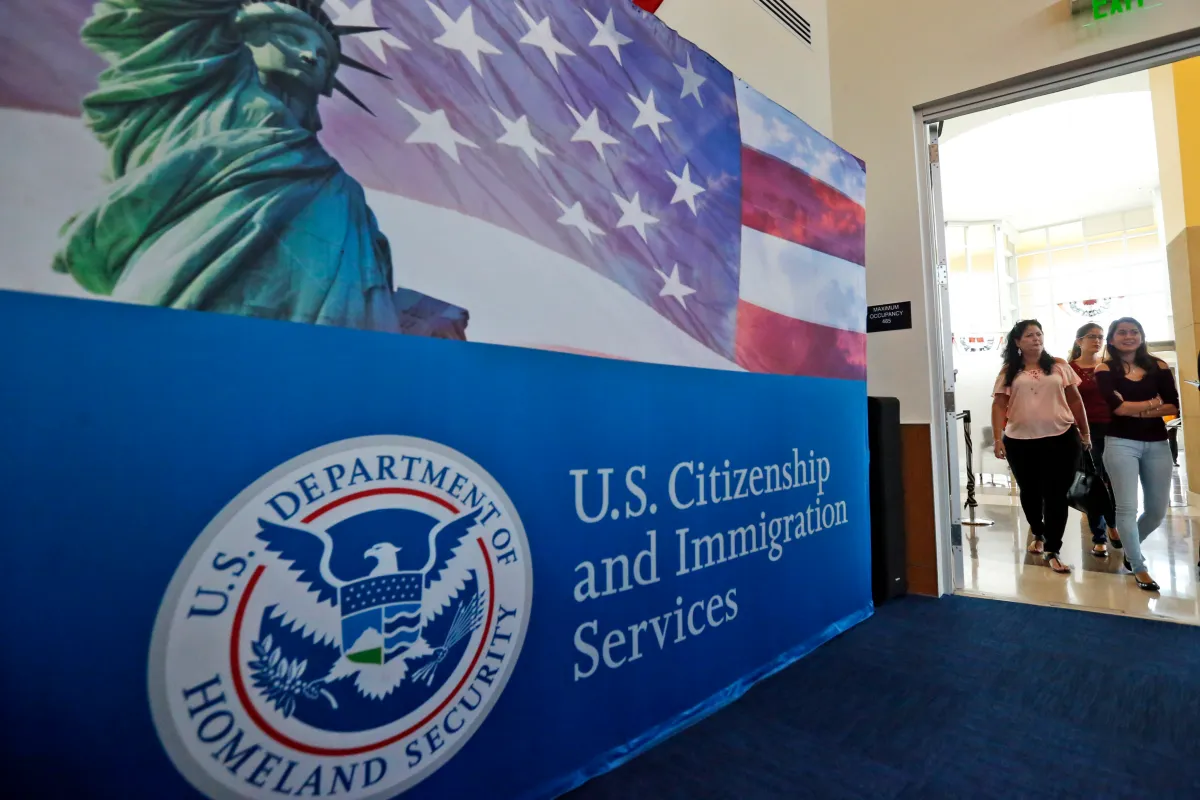
The waves of change sweeping through America’s immigration system are hitting hard, with the U.S. Citizenship and Immigration Services (USCIS) slashing green card approvals roughly in half and dragging out the wait times for countless applicants. According to a sharp-eyed analysis from the Cato Institute, a libertarian think tank known for its immigration stance, lawful permanent residence grants have plummeted across the board, except in employment-based visas. Picture this: folks who’ve been playing by the rules, waiting patiently for their shot at a stable life in the U.S., are now finding doors closing left and right. It’s not just numbers on a page; these are real families and individuals whose dreams of security are on hold. The Department of Homeland Security (DHS), which oversees USCIS, didn’t mince words, pinning the blame on the previous Biden administration for what they call reckless vetting that let in “dangerous people, including national security threats.” As someone trying to wrap their head around this, it’s a stark reminder of how policy shifts can upend lives, turning orderly processes into frustrating nightmares for everyday people seeking a fresh start.
Diving deeper into the data, family-based green card approvals have taken a brutal hit, dropping by a whopping 54 percent from July 2025 to January 2026. Just to paint the picture, in January 2025, right after Donald Trump reclaimed the presidency, approvals hit 30,699. They spiked to 52,181 in July 2025 when Joseph Edlow took the helm at USCIS, but by January 2026, they’ve nosedived to just 23,847. Overall, total green card grants that month were 22 percent lower than the year before. For many, this isn’t just a statistic—it’s a family reunion delayed, with spouses, kids, and parents stuck in limbo. The Trump administration’s crackdown on legal pathways has made it tougher to stitch families back together, echoing the theme of tightened borders that Trump championed in his first term. It’s like the welcome mat is being yanked away just as people think they’re crossing the threshold, leaving applicants feeling betrayed by a system they believed in.
Humanitarian categories aren’t faring much better, with steep reductions hitting refugees, asylees, and even those in parole programs from places like Cuba. Imagine folks fleeing persecution or unstable homes, only to see their paths to safety evaporate. Refugee admissions and Cuban adjustment cases have seen dramatic cuts, while arrests of Cuban parolees by Immigration and Customs Enforcement (ICE) have skyrocketed by 463 percent—coinciding with what the Cato report describes as a near-total halt on Cuban green card approvals. It’s a cruel twist, where those who sought the light of opportunity find themselves shadowed by roundups at government offices across the country. Employment-based immigration held relatively steady, but for the vulnerable—those in asylum or parole situations—the blows are heavy. Life gets exponentially harder when your legal foothold crumbles.
Under the second Trump term, USCIS has stepped up its game in collaborating with ICE, turning adjudications offices into unexpected sites for arrests—and it’s all tied to denying green cards. David Bier, the Cato Institute’s Director of Immigration Studies and the report’s author, calls it out as a deliberate tactic: by blocking green cards, USCIS weakens applicants’ rights and could strip them of their current statuses, pushing them toward the shadows. Imagine preparing meticulously for a life milestone, only to have it sabotaged because the system wants you out. This isn’t accidental; it’s a strategy to ramp up ICE’s enforcement actions, forcing even law-abiding immigrants into a corner. For those invested in the American Dream, it’s a heart-wrenching paradox—obey the rules, and you still get punished.
The ripple effects on green card hopefuls are profound and personal, extending already grueling wait times that stretch into years for family and humanitarian cases. As applications drag on, uncertainty creeps in: will you keep your job authorization, travel freely, or even retain your temporary protections before they vanish? Analysts warn that fewer approvals will swell backlogs, hindering family reunifications and jamming up permanent residency paths. With tens of millions of pending cases already clogging the system, it’s a bottleneck that’s only getting worse. It’s easy to forget that behind these policies are real people—parents worrying about providing for their kids, or refugees escaping chaos, now grappling with the fear of deportation or the loss of everything they’ve built.
Looking ahead, if USCIS keeps its foot on the brakes like this, those backlogs will balloon even more, especially in family ties and humanitarian avenues. Applicants face a tough road: endless waits, shattered plans for stability, and a reliance on expiring temporary fixes that might not hold up. Post the tragic shooting of two National Guard members in Washington, D.C., in late 2025, the Trump administration rolled out heavy-handed measures, like expanded vetting and scrutinizing green cards from “countries of concern.” By December 2025, USCIS froze processing for 19 nations, jumping to 40 in January 2026—DHS insists it’s all about “rigorous” safety checks to root out fraud from the Biden era. They’ve slashed projected legal immigration by over 600,000 in this term, per estimates from the National Foundation for American Policy. For the hopeful immigrants, it’s a world of unknowns, where the path to belonging feels more like a maze than a promise. In human terms, this isn’t just policy; it’s families torn apart, futures dimmed, and a nation wrestling with how to balance security and the inclusive spirit that once defined it. It’s a sobering moment, forcing us to question what kind of America we’re building—one where second chances are grudgingly given, or one that truly welcomes the tired and poor? The answers will shape lives for generations.