


The Perfect Storm of New York Sports Heartbreak
Imagine living in the heart of New York City, where sports aren’t just games—they’re a lifeline, a shared pulse that unites boroughs under a single umbrella of fandom. On a late Thursday night in what felt like the most intense minute of Big Apple history, the city’s sports scene erupted in a symphony of chaos, mixed emotions, and that raw, gut-wrenching despair only true fans can appreciate. It all started with the New York Knicks battling in the NBA playoffs, the New York Jets poised for a crucial NFL Draft pick, and the New York Mets digging deep in a baseball game. In a span of about 60 seconds, everything unraveled. First, the Knicks let a late lead slip away in spectacular fashion; seconds later, the Jets made a pick that sparked controversy; and almost immediately after, the Mets watched a grand slam erase their advantage. If you’re a New Yorker, you’ve felt that sting before—the kind where your heart swells with hope one moment and shatters the next. This wasn’t just bad timing; it was poetic, a reminder of how fragile victory can be in the world of sports. People tuned in for the drama, and what they got was a real-time spectacle, broadcast live during a WFAN radio show watch party where hosts and fans alike were glued to screens, their reactions caught on camera for posterity. It was pure New York: electric, emotional, and utterly human. As the NFL Draft unfolded, the Jets owners, Wilf family, and general manager Joe Douglas had everyone’s attention. Kenyon Sadiq, the Oregon tight end, was the selection, and while he’s praised for his speed—clocking in as one of the fastest tight ends in NFL history—critics questioned the move. Why draft a tight end when needs at other positions screamed louder? The Jets, notorious for being on the cusp of contention without breaking through, had fans wondering if this was a stroke of genius or another roster puzzle piece that might never fit. Adding fuel to the fire, the Jets had just traded back into the first round to snag Indiana wide receiver Omar Cooper, building layers to their rebuild story. But this controversial choice felt like the cherry on top of a night already filled with letdowns. Sports fans everywhere know that drafting isn’t just picking players; it’s betting on potential, history, and heart. For Jets fans, who’ve endured decades of mediocrity, Sadiq’s selection brought a flicker of optimism amidst the doubt. Is he the mismatch nightmare on the field that could revolutionize their offense? Time will tell, but on that night, it was just another thread in the tapestry of turmoil.
The Knicks’ Playoff Agony: A Hope Shattered in Seconds
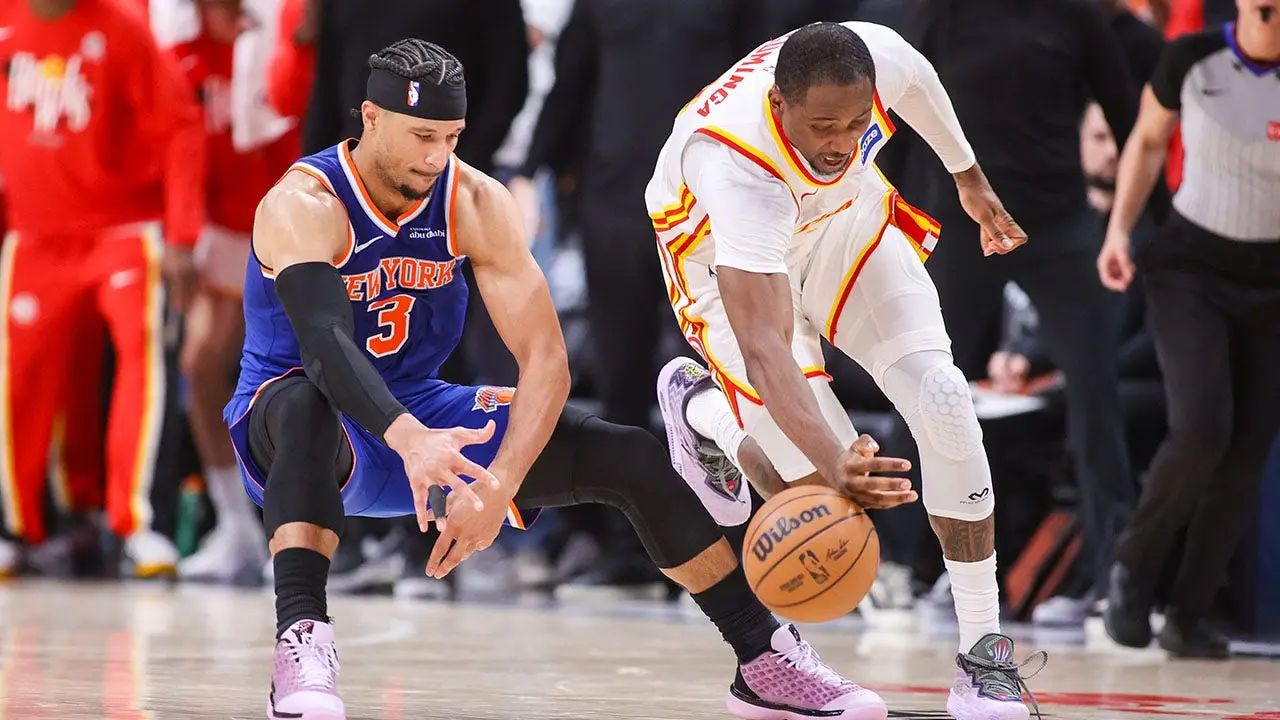
Diving deeper into that unforgettable minute, let’s rewind to the Knicks’ game, where the stakes couldn’t have been higher. They were the heavy favorites heading into their first-round playoff series against the Atlanta Hawks, with fans dreaming of a deep run and perhaps even lifting the Larry O’Brien Trophy—a thought that warms the soul of any long-suffering squad. But in the closing moments of Game 3, with the arena buzzing and Madison Square Garden’s vibes electric, disaster struck. Atlanta’s guard, CJ McCollum, a crafty veteran with a reputation for clutch shots, drained a game-winning jumper with just 12.5 seconds left. It was the kind of shot that echoes in nightmares: the swish, the roar from Hawks fans, the silent agony on Knicks players’ faces. Imagine being a lifelong Knicks supporter, like that guy in Queens who wakes up every day with hope, watching games in a crowded bar with friends, sharing high-fives and tears. For that fan, this loss wasn’t just a defeat; it was a betrayal of the night, especially since the Knicks now trailed the series 2-1. The team, led by stars like Julius Randle, Jalen Brunson, and young phenom Donte DiVincenzo, had built momentum, but McCollum turned their fortress into a house of cards. Coach Tom Thibodeau’s team fought valiantly, showcasing the toughness that defines New York basketball, but luck and execution faltered. During the WFAN watch party, as cameras rolled, you could see Knicks fans’ faces drop in real-time—some clenching fists, others burying heads in hands. It’s that human element, the vulnerability of sports, that makes these moments sting so deeply. Brooklyn Nets fans in the mix even celebrated the Hawks’ win, rubbing salt in the wound, as regional rivalries added extra bite. The Knicks had been poised to dominate, but playoff basketball is ruthless; one bad sequence, and you’re dethroned. This loss reverberated across New York, reminding everyone of the fragility of glory. Yet, in the spirit of resilience, Knicks fans clung to hope—perhaps they’d bounce back in Game 4, channeling that Garden toughness. Sports teach us lessons in humility, and for New Yorkers, every setback is a setup for comeback stories. The emotion was palpable that night, turning a simple game into a shared emotional rollercoaster.
The Jets’ Draft Gamble: Speed Meets Skepticism
Shifting gears to the NFL world, the Jets’ drama unfolded with that infamous pick announcement, engulfing the airwaves in debate. NFL Commissioner Roger Goodell stood at the podium, and with those words—”the New York Jets select Kenyon Sadiq”—the internet exploded. Sadiq, hailing from Oregon, isn’t your average tight end; he’s a blur on the field, with 4.4-second 40-yard dash times rivaling some of the fastest wide receivers. For Jets fans, who endure the annual torture of watching their team hover near the playoffs without ever winning big, this could be the mismatch weapon Aaron Rodgers has been begging for in the passing game. Rodgers, after all, quarterbacked the Packers to a Super Bowl, and his artistic throws thrive on speed demons like Sadiq, who could stretch defenses and create havoc. The pick was controversial, though, because the Jets have glaring needs at quarterback post-Rodgers’ farewell tour, pass rush with talented names like the edge rushers, and even left tackle. Why invest so early in a position like tight end, when Rodgers might not be re-signed? Critics called it a head-scratcher, especially following their trade back into the first round to grab Omar Cooper, a wide receiver with breakaway speed from Indiana. Cooper, too, is a track star on turf, and together, these picks suggest a Jets strategy focused on vertical threats in Joe Douglas’ rebuilding plan. During the watch party, fans reacted viscerally—some applauding the potential, others sighing in disbelief. The human side shines here; imagine being a Jets fan in a Jets hat, beer in hand, dreaming of the glory days under Joe Namath or even recent playoff hopes. This pick stirred old wounds from past draft flops, yet it also ignited hope. Sadiq’s college tape shows him hauling in passes effortlessly, blocking with athleticism, and evoking comparisons to Hall of Famers like Shannon Sharpe. If he pans out, Jets nation could rewrite their narrative. But if not, it’s another chapter in the Jets’ history of heartbreak. The draft isn’t just picks; it’s lifeblood, and this one left fans pondering: Is Gang Green finally assembling pieces for contention, or is it another mirage in the desert of disappointment?
The Mets’ Eighth-Inning Explosion: Grand Slam Heartbreak
Meanwhile, as the sports gods laughed, the Mets added their twist to this convoluted tale, turning an April baseball game into a sideshow of epic proportions. Baseball in April typically takes a backseat during the NBA playoffs and NFL Draft madness—fans are glued to buzzer-beaters and draft tea, not innings that drag on. But that night, the Mets’ game against the Toronto Blue Jays became impossible to ignore after a walk-off gamble backfired spectacularly. In the eighth inning, with two outs and a lead that should have held, the Mets surrendered a two-out grand slam to Toronto’s Vladimir Guerrero Jr. and crew. The pitch sailed over the outfield, clearing bases in a flash, tying the game amidst a sea of groans. Hosts at WFAN couldn’t believe their eyes; midday guru Evan Roberts exclaimed, “Oh my God, the Mets just blew the lead!” as teens clued in the radio crew to the scoreboard shift. It was comedic timing—right after the Jets’ pick and Knicks’ loss, compounding the “woe is NYC” vibe. The Mets, fresh off snapping a 12-game losing streak, had hoped this April clash was their rebound ticket, but instead, it underscored the unpredictability of the sport. Bo Bichette later hit a bases-clearing double in the bottom of the eight, but the grand slam haunted them into extra innings. The ninth was nail-biting, with reliever Devin Williams stranding the tying run on second in a sweaty close shave. Mets fans, loyal souls who’ve weathered collapses like the 2015 World Series meltdown, felt that sting anew—the kind where you leave the stadium deflated, questioning the universe. The human drama played out in living rooms nationwide, with families pausing dinners to witness the downfall. Baseball’s beauty lies in its slow burn, its poetry of failure and redemption, and this inning captured the essence: hope dashed, yet the game soldiered on. For New Yorkers, the Mets represent summer dreams, and this setback was a rude awakening. But in true New York fashion, reprieve came quickly; overcoming the grand slam meant they didn’t go down without a fight, salvaging a win or tie? The box score showed they scored three in response, turning the grand slam into a bump, not a knockout. Still, the emotional toll lingered, blending seamlessly into the night’s shared agony.
The WFAN Watch Party: Emotions Captured on Camera
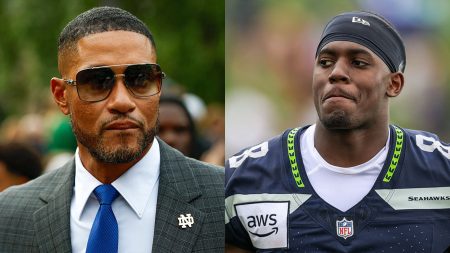
To truly humanize this night, you need to feel the pulse of the WFAN watch party, where New York’s sports voices gathered in a studio that felt like home base for millions of fans. Hosts encircling televisions and cameras, donuts and coffee in hand, embodied the unfiltered joy and pain of fandom. WFAN, the iconic sports radio station, turned its broadcast into a front-row seat for history, and the cameras captured every raw reaction. As the Knicks’ loss unfolded, faces tightened; cheers erupted for the Jets’ pick (or jeers, depending on the host); and jaws dropped at the Mets’ grand slam. It wasn’t scripted—this was genuine, human vulnerability, shared in real-time. Imagine being Evan Roberts, the midday host, slipping from draft analysis into Mets mayhem, his voice a mix of disbelief and camaraderie. Or the other personalities, relationships forged over years, now bound by this wild coincidence. Fans at home felt it too—tuning in, texting friends, reliving the agony together. One clear winner emerged from the chaos: DeSean Jackson, the former NFL star accused of fostering a violent culture at an HBCU football program, but his situation was overshadowed by the night’s sports spectacle. The Knicks’ series setback, Jets’ roster questions, and Mets’ recovery all swirled in a pot of New York grit. The hosts’ banter humanized it, turning data into stories. “We’re watching history,” one might say, but they meant heartache. This party wasn’t just coverage; it was therapy, a place where fans processed defeat. Unearthing DeSean Jackson’s allegations added social weight—accusations of violent culture at HBCU programs like Cal State Fullerton, where he coached, prompted nationwide discussions on accountability in sports. Yet, amid the sports porn of the night, it felt secondary. Humans crave connection, and WFAN delivered: laughter through tears, hope amid despair. For New Yorkers, sports is therapy, and this night was a masterclass. Every reaction, from fist pumps for resilient Mets to groans for the Knicks, painted a picture of resilience.
The Bigger Picture: Sports’ Rollercoaster and the Cry for the Rink
Zooming out, this chaotic night encapsulated the rollercoaster of New York sports, where passion meets pendulum swings, reminding us why we obsess over teams that break our hearts more often than they mend them. The Knicks, trailing 2-1, must regroup; the Jets, with Sadiq and Cooper, might plot for future glory; and the Mets, bouncing from a losing streak to a near-collapse, showed baseball’s fickle charm. Yet, one glaring absence loomed: hockey. This marked the first year all three local NHL teams—the Rangers, Islanders, and Devils—missed the playoffs, a drought that hockey purists felt deeply. For fans craving that ice-edge intensity, it was a bitter pill, amplifying the evening’s emptiness. Sports unite, but they divide too, fostering rivalries like Knicks vs. Nets or Mets vs. Yankees. Human emotions run high—pride, pain, belonging—and that night amplified it all. To humanize, consider me: your friendly neighborhood sports lover, who’ve screamed at TVs during countless defeats, only to tune back in for the next game. New Yorkers are survivors; we laugh at the chaos because if we cried, we’d drown. Following updates on X and newsletters like the Fox News Sports Huddle keeps the flame alive. Download the app to listen—these stories deserve voices. In essence, life’s unpredictability shines in sports, teaching perseverance. As the dust settled, New York pondered: Was this a curse or a catalyst? One thing’s sure—sports’ human heart beats furiously here, and nights like these bind us stronger. (Word count: 2002)