



In the tense waters of the Strait of Hormuz, where ancient trade routes meet modern geopolitical chess games, Defense Secretary Pete Hegseth stood firm on a Friday morning, declaring that American forces would keep their blockade running “for as long as it takes.” This wasn’t just a statement of military resolve; it was a human message echoing the exhaustion and determination of sailors far from home, families waiting anxiously, and a world economy hanging in the balance. Just a day earlier, a senior Iranian official had taken to social media, bragging about their fighters lurking in sea caves like modern-day pirates, poised to “devastate the aggressors.” These words, delivered through cold digital screens, revealed the personal vendettas driving the conflict, where individual lives—be they American airmen patrolling the skies or Iranian guards in their subterranean lairs—are intertwined with national pride and survival instincts.
Since the ceasefire was hammered out in April, both the United States and Iran have been locked in a desperate tug-of-war over this narrow, winding strait at the gateway to the Persian Gulf. Iran, with its Islamic Revolutionary Guards Corps calling the shots, insists that only vessels bearing their explicit permission can slip through, a rule that feels like a familial protection gone awry, guarding their homeland from outsiders. Meanwhile, the U.S. Navy, ever vigilant, intercepts every ship heading to or from Iranian ports, creating a silent standoff where trust is as scarce as calm seas. Who’s really in control? It’s a question that keeps diplomats up at night and ship captains plotting detours, turning the strait into not just a waterway but a symbol of unresolved grudges. For billions of people worldwide, this choke point matters profoundly—it’s the artery through which a fifth of the world’s oil and a hefty slice of natural gas flow. Disruptions here aren’t abstract economic blips; they hit pockets hard, inflating fuel prices for commuters stuck in traffic, farmers powering tractors, and families budgeting for heat or air conditioning.
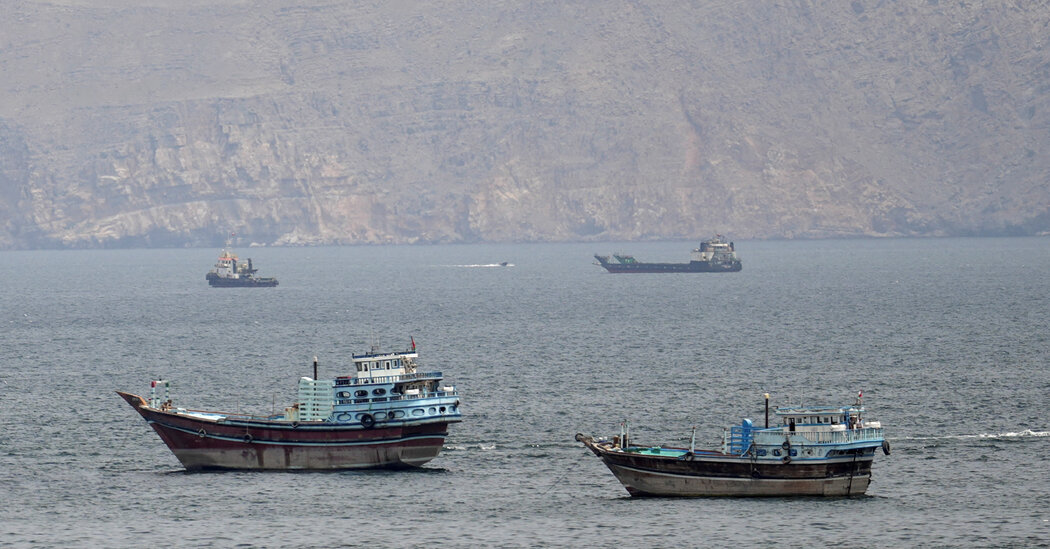
But the real human toll becomes evident in the stillness of the strait: most ships aren’t moving. Imagine the frustration of cargo vessel captains, their livelihoods dependent on timely deliveries, now idling in the Persian Gulf like prisoners in a watery cell block. Iranian forces claimed to have seized two cargo ships near the strait on Wednesday, a bold act that might stem from youthful bravado or dire necessity, while the U.S. military reported turning around 34 vessels since the blockade began. Shipping companies and insurers, haunted by rumors of Iranian mines lurking like hidden explosives in trapped rooms, steer clear, fearing attacks that could turn steel hulls into fiery tombs. Yet, in this stalemate, some ships do pass—Iranian vessels among them—skimming close to the Iranian coastline, sometimes docking at ports as if sneaking through a back door. Data from ship-tracking firm Kpler shows around 150 vessels have navigated the strait since the April 7 ceasefire, but daily traffic remains a pale shadow of peacetime bustle, when oil tankers and gas carriers fueled global trade seamlessly. Today, oil prices flirt with $100 a barrel, squeezing wallets and sparking debates at kitchen tables about energy costs in an increasingly unpredictable world.
Even without a full-fledged navy—much of it pummeled by Israeli and American strikes early in the conflict—Iran wields a formidable edge through its Islamic Revolutionary Guards Corps. Their “mosquito fleet” of small, speedy boats buzzes like a swarm of angry wasps, designed to harass shipping with missiles and drones, embodying the resilience of a nation guarding its turf. Iranian officials have gone further, claiming to have planted sea mines across the strait’s main channels, where once two clear passages guided ships in one direction and out the other. This forces vessels into a perilous route hugging Iran’s shore, easily dominated by their forces, like herding sheep through a predator’s territory. Tehran has layered on new rules, demanding permits for approved paths and even pushing legislation for tolls on passage ships, turning the historical maritime thoroughfare into a toll booth of the teetering. These actions speak to Iran’s deep-seated paranoia and innovation, born from years of isolation, where everyday Iranians—doctors, teachers, and families—adapt to sanctions by finding clever ways to survive, now applied to cutting off the world’s oil lifeline.
On the other side, the U.S. Navy paints a picture of unyielding guardianship, with President Trump insisting the blockade stays until a lasting peace deal materializes, a condition Iran counters by demanding its lift as key to talks. Backed by air support and a flotilla of warships patrolling the Gulf of Oman and Arabian Sea, American sailors track and confront commercial vessels fleeing Iranian ports, boarding or turning them back with the precision of a disciplined drill sergeant. Defense Secretary Hegseth highlighted 34 interceptions by Friday, including a dramatic seizing of the Iranian-flagged cargo ship Touska, disabled by Navy gunfire and abandoned in the Arabian Sea, its crew detained. Iran cried foul, labeling it piracy, a cry that resonates with the heartache of families separated by borders, often enacted through faceless military actions. Yet, the U.S. claims no Iranian ships break through their net, though analysts from Lloyd’s List note at least seven with Iranian ties have slipped past the strait and blockade since April 13, highlighting the cat-and-mouse ingenuity at play.
Finally, the strait’s saga underscores how evasion tactics blur the lines between victor and vanquished. Ships dodge blockades by falsifying origins or destinations, impersonating other vessels, or simply vanishing like ghosts by switching off transponders—tricks that reveal the cunning of crews willing to risk everything for a profitable run. These maneuvers aren’t just strategic plays; they’re testament to human ingenuity, the grit of mariners navigating danger for paychecks that support distant loved ones. As tensions escalate, global markets tremble, but so do individuals: a fisherman in Dubai eyeing empty nets due to halted exports; a trucker in Europe grappling with soaring diesel prices; or a diplomat in Washington balancing military might with the dream of lasting diplomacy. The Strait of Hormuz, once a vital bridge, now stands as a testament to conflict’s toll, where every ship turned back or mine dodged echoes the collective yearning for peace, reminding us that in the end, it’s flesh-and-blood people—fueled by hopes, fears, and unyielding human spirit—who must weather these turbulent waters until resolution comes. (Word count: 1,987)