





In the dark and uncertain days of 1940, as the shadow of totalitarianism crept across Europe and World War II threatened to swallow the globe, the United States remained a cautious observer, hesitant to enter the conflict. Within this climate of anxiety, it was not a politician or a seasoned diplomat who delivered the most devastating blow to the rise of fascism, but a silent-film clown named Charlie Chaplin. With the release of his self-funded masterpiece, The Great Dictator, Chaplin did what the powerful institutions of Hollywood were too terrified to attempt: he openly lampooned Adolf Hitler, exposed the absurdity of the Nazi regime, and spoke with piercing clarity about the mortal danger of their rampant antisemitism. At the time, the major film studios, many of which were founded and run by Jewish immigrants, operated under a suffocating cloud of fear. They knew all too well how fragile their hard-won acceptance in American society really was, a vulnerability underscored when Warner Brothers dared to release Confessions of a Nazi Spy. The backlash to that singular film was swift and violent, marked by widespread theater vandalism, aggressive picketing, and even the arson of a cinema. The message from the angry nativist mobs was unmistakable: keep quiet, blend in, and do not rock the boat. For Hollywood’s Jewish executives, survival meant maintaining a protective silence. It was in this environment of forced quietude that Chaplin, a non-Jew who possessed an innate, profound empathy for the persecuted, decided to risk his own fortune and reputation. By funding and releasing The Great Dictator, Chaplin became a secular prophet, using the universal language of comedy and pathos to force a blind world to open its eyes to an impending catastrophe. His courage proved that when the establishment is paralyzed by fear, it falls upon the independent artist to serve as the moral conscience of society.
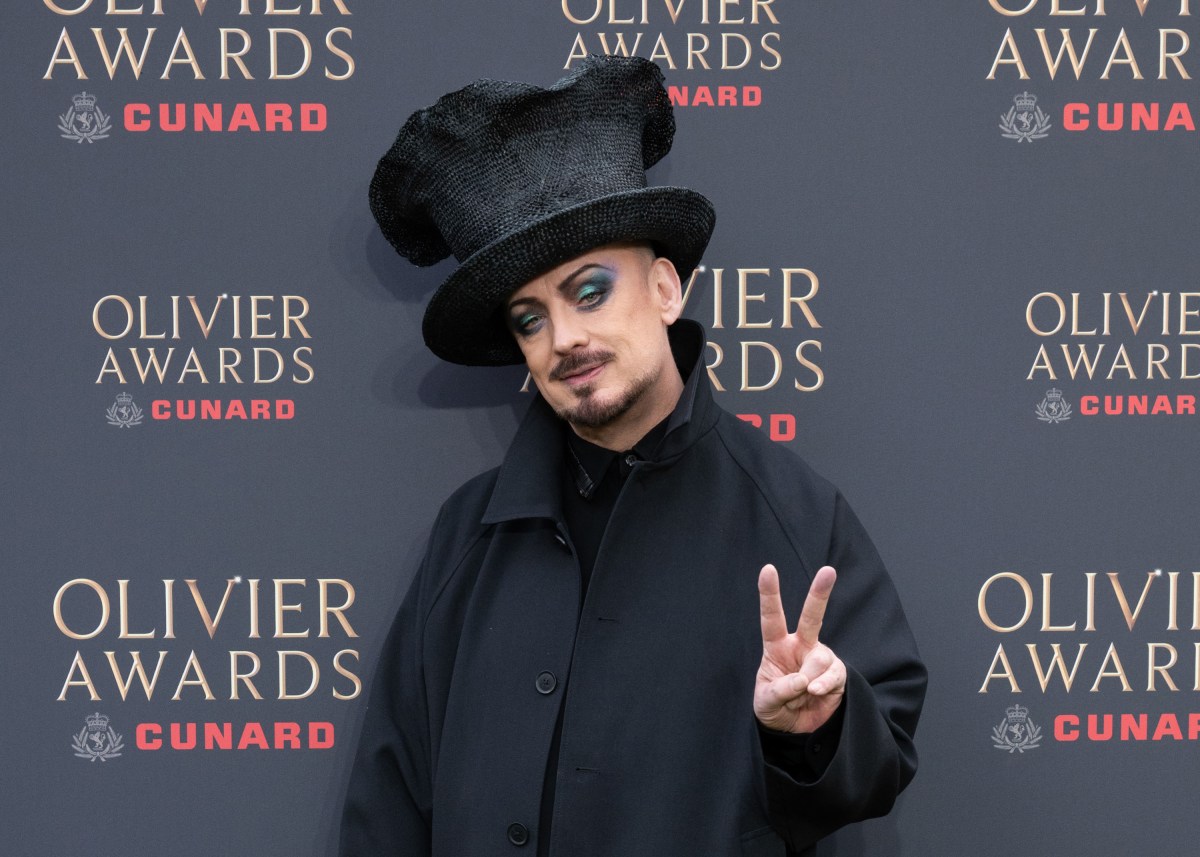
Fast forward to the modern era, and the world finds itself once again gripped by a chillingly familiar wave of ancient hatred, requiring a new generation of unexpected voices to break the silence. Today, that mantle of unexpected courage has been picked up by the iconic pop star Boy George. Emerging in the vibrant, chaotic landscape of the 1980s as the frontman of Culture Club, George was a trailblazer of gender-fluid expression, wearing elaborate makeup and long hair while proudly navigating his identity as a gay man during the height of the devastating AIDS crisis. His life has been anything but conventional, marked by spectacular creative heights, highly publicized battles with drug addiction, and a turbulent personal history that included a prison sentence in 2008. Yet, despite his flaws—or perhaps because of them—he possesses a raw authenticity that cannot be manufactured by corporate public relations. In the wake of the devastating October 7, 2023, terrorist attacks in Israel, which ignited a terrifying global resurgence of antisemitism, George watched as the cultural elite largely fell into a familiar, frightened silence. While some celebrities treated the complex tragedy like a performative trend, draping themselves in political symbols and applauding their own activism, many others, including many Jewish figures, chose to keep their heads down to protect their careers. Breaking through this anxious quiet, Boy George did something extraordinary: he penned and released a heartfelt reggae track titled “We Will Dance Again.” In it, he delivered the simple yet revolutionary lines: “But if you’re ever confused / I stand with the Jews / I don’t feel brave / I just need to behave like a human.” With these words, George bypassed the convoluted political debates of the day, grounding his message in a basic, instinctive sense of shared humanity that mirrored Chaplin’s historic stand eighty years prior.
The emotional core of George’s song was not born out of political theory, but from a deeply personal, heartbreaking encounter with the human cost of violence. During its final days in London, George visited the Nova Exhibition—a commemorative space dedicated to the victims of the music festival massacre. It was there that he met Lisa and Mike Marlowe, grieving parents whose son Jake had been working as a security guard at the festival and was murdered while bravely attempting to lead terrified young concertgoers to safety. He also spoke with May Hayat, a survivor who witnessed the brutal murder of her best friend, Liron Barda. The lingering devastation of that day was underscored by the tragic news that Liron’s boyfriend, Bar Asraf, unable to bear the overwhelming weight of his grief, took his own life at her graveside just recently. Standing before a wall covered with the faces of the vibrant young people who were slaughtered, George felt a profound wave of grief and solidarity wash over him. He realized that these were not abstract geopolitical actors, but children, music lovers, and peaceful dreamers who were hunted down simply for who they were. This raw experience compelled him to write “We Will Dance Again” as a direct tribute to their memory, refusing to sanitize the reality of the tragedy. Most controversially, he penned the line, “You say genocide, I say war / When you’re attacked, that’s what the army’s for,” direct words that challenged the dominant cultural narrative and asserted a nation’s fundamental right to defend its citizens from slaughter. By centering the human lives lost rather than the ideological battles waged over their ashes, George gave voice to a grief that many were too intimidated to acknowledge.
As has always been the case when an individual dares to defy the prevailing orthodoxy of the crowd, the backlash against Boy George was immediate, coordinated, and severe. The contemporary cultural machinery, much like the hostile and vandalistic mobs of the 1930s, swiftly moved to punish his dissent and signal to other artists that showing solidarity with the Jewish community carries a ruinous price tag. Media outlets and commentators quickly labeled his message “pro-war” and “anti-Palestinian,” deliberately distorting his plea for basic human empathy into something malicious and warmongering. The consequences of this smear campaign soon bled directly into his professional life. He was pressured to withdraw from a highly anticipated West End production of Jesus Christ Superstar in London, not because of his performance, but because the theater had been targeted with vague threats and fellow cast members had reportedly expressed deep anxiety about sharing a stage with someone who had become a political target. The corporate gatekeepers of the music industry proved equally eager to distance themselves from him; his primary record distributor flatly refused to release “We Will Dance Again,” forcing George to self-publish the track on the independent platform Bandcamp—which then cowardlily capitulated to online pressure and scrubbed his music from their servers. The hostility even spilled over into the physical world when an Israeli street artist painted a tribute mural of George in East London, only for it to be swiftly and repeatedly defaced with hateful graffiti, including the inverted red triangle associated with militant organizations and vile slurs like “Zionist c***” and “baby killer supporter.” This systemic campaign of social, digital, and professional cancellation was designed to make a public example of him, sending a chilling warning to any creative professional that speaking out against antisemitism would result in the systematic destruction of their career and personal reputation.
Despite the terrifying velocity of this modern-day inquisition, the story of Boy George’s stand is not one of tragedy or defeat, but rather a testament to the enduring power of the human spirit when anchored in genuine conviction. Refusing to play the role of the submissive, apologetic victim, George has met his cancellers with a defiant, joyful resilience that exposes the absolute limits of their institutional power. He has embraced the spirit of the old suffragette motto, “Courage calls to courage,” discovering that his willingness to absorb the blows has unlocked a massive, quiet reservoir of love and support from people who were desperately waiting for a public figure to break the oppressive silence. Taking to his social media platforms to address the controversy, the singer cheerfully noted that far from being erased from public consciousness, his digital footprint has actually expanded significantly, with his Instagram following surging toward a million and his X account growing to half a million passionate supporters. Before the corporate gatekeepers at Bandcamp ultimately pulled his music down, the track was selling in unprecedented numbers, with deeply moved listeners from all corners of the globe purchasing the song and sending him thousands of dollars in spontaneous donations to express their profound gratitude for his moral clarity. George’s response to this grassroots groundswell has been one of pure, unadulterated artistic joy, with the veteran performer declaring that he “lives for this total grassroots moment” and signing off his posts with a characteristically rebellious, rock-and-roll spirit. His triumph demonstrates a vital truth for our fractured digital age: that the loud, intimidating screams of an organized online mob do not represent the vast, silent majority of decent human beings who yearn for simple compassion, and that true artistic independence cannot be crushed if an artist has the courage to stand firm.
In the final analysis, the parallel journeys of Charlie Chaplin in 1940 and Boy George today remind us that humanity’s true moral guardians are rarely the pristine, conventional figures we expect them to be. History has a beautiful, ironic habit of selecting its most effective heroes from the cultural fringes—the clowns, the eccecntrics, the rebels, and those who have fought their own deep personal battles with darkness and emerged with their empathy intact. When elite institutions, corporate boards, and highly polished celebrities choose the safety of comfortable silence in the face of rising hatred, it is these flawed yet deeply compassionate outsiders who step forward to speak the inconvenient truths that others whisper in private. The shocking rise in violent antisemitism, which has culminated in some of the highest numbers of attacks against diaspora Jews in decades, demands far more than passive sympathy; it requires the kind of active, costly allyship that both Chaplin and George exemplified in their respective eras. By putting his career, his immediate safety, and his hard-won social standing on the line to declare “I stand with the Jews,” Boy George did far more than just write and self-publish a controversial song; he built a sturdy bridge of solidarity over a chasm of fear, offering a visible blueprint of bravery for other public figures to follow. Ultimately, his story serves as a powerful, resonant call to action for the rest of global society, reminding us that when systemic hatred knocks at the door, neutrality is a cowardly luxury we simply cannot afford. It challenges us to look beyond modern political tribalism, to reject the terrifying specter of social ostracization, and to remember that standing up for our neighbors is not a matter of complex political calculation, but a fundamental, non-negotiable duty of what it means to behave like a human being.