




A Young Woman’s Colon Cancer Diagnosis: From an IBS Diagnosis to Facing Her Father’s Disease
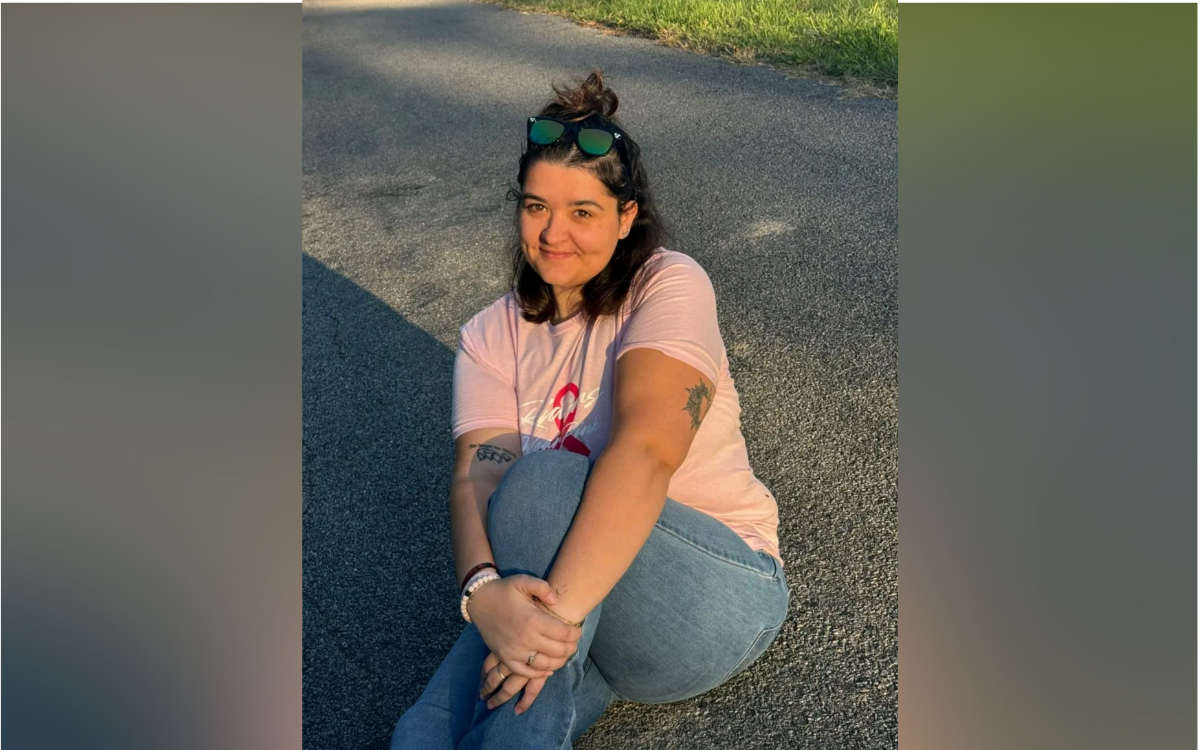
At 27 years old, Taylor Vinson represents a generation of young adults who believe they are invincible, shielded from the serious illnesses that seem to only affect those much older. For months, she was told that the persistent stomach issues she was experiencing were nothing more than a familiar and generally manageable condition—irritable bowel syndrome, commonly known as IBS. It was a diagnosis that seemed to fit her demographic: young, otherwise healthy, and with a busy life as a teacher. Like many people her age, Vinson tried to carry on, swallowing the recommended pills and adjusting her daily habits, all while reassuring herself that her body was simply playing a practical joke on her. Little did she know that a routine series of tests would soon unravel that comfortable illusion and catapult her life into a chaotic storm of medical jargon, surgical consultations, and an emotional reckoning that would bring her face to face with the very disease that had been haunting her family for years. The diagnosis would turn her world upside down, but it would also give her a unique and powerful perspective on life, mortality, and the unbreakable bonds of family.
Vinson’s homelife, which is a testament to love, sacrifice, and traditional family values, plays a crucial role in her story. She lives with her parents, not out of a desire to save rent money or revel in the comfort of her childhood bedroom, but out of an earnest need to be a pillar of support for them. Her father, a man who battled through life as a provider, has been fighting a brutal, exhausting war against terminal colon cancer for nearly a entire decade. The initial diagnosis almost a decade ago came with a glimmer of hope—the words “he would be fine” echoed through hospital corridors. But cancer, as many know, has a wicked sense of timing and progression. The illness has since proven to be mercilessly aggressive, and the cancer has become inoperable. Now, his days are spent navigating the harsh realities of palliative care, clinging to treatment regimens designed merely to halt the rapid spread of the disease. Witnessing her father’s fight has forged a steely resolve in Vinson, but it also created a ticking clock in the back of her mind, a constant reminder of the fragility of life. In a strange and cruel irony, Vinson now finds herself walking the same hospital halls, facing the same insurance forms, and fighting the same terrifying battle as her father.
Living in the shadow of a cancer diagnosis carries a weight that extends far beyond hospital visits. In the quiet moments, Vinson has had to process the staggering statistics that frame her current reality. Colorectal cancer, a disease often associated with older populations, is the third most commonly diagnosed cancer among both men and women in the United States. Medical professionals predict that around 150,000 new cases will be identified this year alone, affecting the lives of countless families much like Vinson’s. The average person hears these statistics and feels a sense of detachment, secure in the belief that they are far too young or too healthy to be caught in its crosshairs. However, Vinson’s story serves as a stark reminder that cancer is an equal-opportunity predator. While the overwhelming majority of colon cancers are linked to a complex cocktail of aging and lifestyle choices rather than hereditary genes, the shadow of familial history loomed large in her life. For nearly a decade, she has watched a loved one navigate this exact disease, and suddenly, the idea of a 1 in 25 risk felt less like a statistic and more like a twisted family curse.
In September 2024, Vinson first noticed something was off—a vague set of “mild stomach issues” that felt all too familiar given her history of a sensitive gut. Dismissing it as a typical bout of indigestion or stress-related anxiety, she pushed through her daily routine, chalking it up to bad takeout or the stress of the classroom. When she finally sought medical advice, the doctors—with their clipboards and medical degrees—offered the same dismissive reassurance. “It’s probably IBS,” they said, handing her a pamphlet and prescribing some medications meant to soothe her complaining gut. She trusted their judgment, just as she had always trusted doctors who had helped her father. Yet, when the medication failed to produce the desired relief, a silent alarm began to ring. In April 2025, with a mixture of hesitation and dutiful concern, she returned to the doctor. The suggestion to do a colonoscopy felt like a precautionary, almost performative, measure to simply check a box. Vinson remembers the coldness of the procedure room and the clinical detachment of the doctors, never imagining that the next piece of news would absolutely shatter her into a million pieces.
The moment the doctor uttered the words “colon cancer,” the world seemed to fall away. Vinson admits to feeling a profound sense of numbness, a dulling of the senses that often accompanies profound shock. She waiting for the tears, for the sobs of helplessness, for the emotional breakdown that seems mandatory in these kinds of stories—but they never came. Instead, she felt a chilling acceptance, a surrender to a fate she had already watched her father wrestle with for years. The revelation that a polyp was indeed malignant and close to spreading has led her to this precipice. Now, facing a bowel resection surgery, Vinson is navigating the terrifying uncertainty of medical bills, operation dates, and the terrifying reality of a surgeon’s scalpel. Yet, she clings to a single, shining ray of hope: her doctor has given her a remarkably “positive prognosis,” with no major long-term impacts expected. For a family who has grown used to fighting a losing battle in the war against cancer, this small victory feels monumental.
Vinson hopes that by sharing her story, she can inspire others, particularly young people, to advocate for themselves and listen to their bodies. She knows all too well that her own story might have had a sinister ending if not for the relentless pestering of her mother, who pushed her to get checked out when she would have rather ignored the problem. Now, as she prepares to fight the one battle she never expected to fight at twenty-seven, she does so with a quiet strength. Her father, despite his own failing health, gives her a reason to remain hopeful. She looks at her future—a future that includes yearly colonoscopies as a precautionary ritual—not as a burden, but as a gift. She wants to remind everyone that cancer does not care about age, fairness, or timing. It is a reminder to cherish the mundane, to push past the discomfort of asking difficult questions, and to listen to the people who love you most. Her father’s battle became a part of her past, but her own battle has taught her that survival is not just about beating the illness, but about living fully while you are here.