

The Spark of Controversy at the Heart of Comedy and Politics
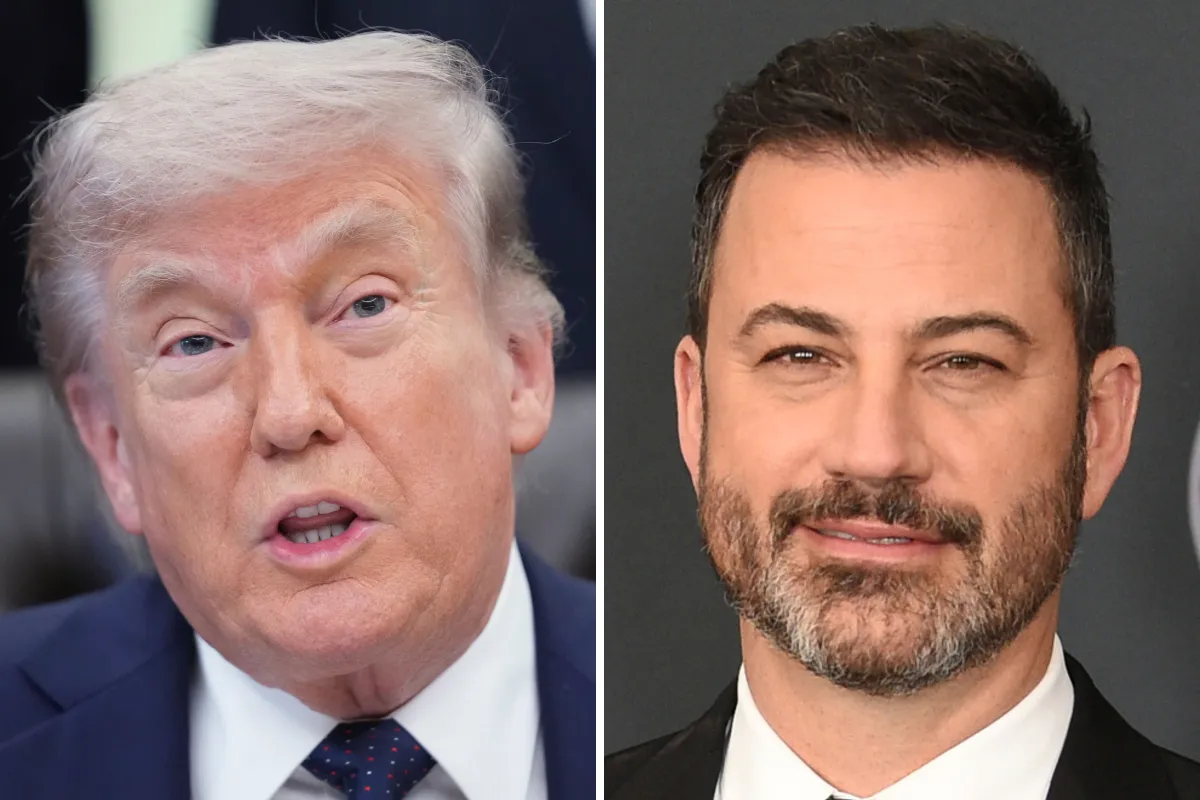
In the swirling world of late-night television and presidential rhetoric, a single ill-timed joke has ignited a firestorm, pulling in everyone from religious broadcasters to the White House itself. It all started with Jimmy Kimmel, the ever-sharp host of Jimmy Kimmel Live, who, in his typically irreverent style, decided to riff on the White House Correspondents’ Association (WHCA) dinner. On Thursday night’s show, Kimmel pretended to deliver a stand-up routine at the actual event, which had just been rocked by a real-life threat. He boasted about surviving the chaos, then pivoted to Melania Trump, cracking, “First Lady Melania Trump is sitting there beaming with the glow of an expectant widow.” It was a punchline meant to highlight the absurdity of the moment—an assassination attempt on her husband—but for some, it crossed into dangerous territory. This wasn’t just any joke; it landed in the middle of a nation already raw from violence, and it quickly became a flashpoint for debates about comedy, free speech, and the responsibilities that come with a national platform. Kimmel, like many comedians, thrives on pushing boundaries, but in an era where words can feel like weapons, this one seemed to echo louder than intended. As the clip spread online, people from all sides weighed in: some laughed it off as harmless satire, while others saw it as a callous dismissal of real peril. The incident underscored how comedy can sometimes blur the lines between humor and harm, especially when it touches on the lives of public figures entrenched in political turmoil.
The backdrop here is crucial to understanding why this joke hit so hard. The WHCA dinner, that annual gathering of journalists and politicians, is usually a mix of pomp, networking, and lighthearted roasts. But this year’s event, held on Saturday night at the Washington Hilton, turned into a nightmare. A 31-year-old man named Cole Allen, armed with multiple firearms, knives, and an assortment of other items, breached security and made his way toward the ballroom where President Donald Trump and other big names were dining. Chaos erupted—agents from the Secret Service sprang into action, evacuating the attendees while subduing Allen in a hail of gunfire. He was later charged with attempting to assassinate the president, a chilling reminder that in today’s America, no public figure is truly safe. The dinner was cut short, with the president emerging unharmed but the nation left reeling. Videos of the commotion went viral, capturing the fear etched on guests’ faces and the SWAT teams securing the perimeter. This wasn’t just a scare; it exposed vulnerabilities in our security systems and heightened anxieties about domestic terrorism. As details emerged—Allen’s online ramblings and the sheer audacity of his plan—people grappled with why someone would target a president in such a setting. It amplified debates about mental health, radicalization, and the spread of conspiracy theories online. In this tense atmosphere, Kimmel’s routine, aired days later, felt eerily timed, as if he were dancing on the grave of a near-tragedy without fully recognizing the sensitivity required.
Initially, the backlash was swift and personal, coming straight from the Trumps themselves. On Monday, the president and Melania both publicly demanded that ABC, Kimmel’s network, fire him immediately. Trump’s statements were fiery, accusing Kimmel of exploiting a moment of terror for laughs, while Melania, ever poised, expressed her outrage at what she saw as a joke mocking her husband’s brush with death. Kimmel responded live on his show, defending his bit as satire that pointed out the absurdity of the situation: someone trying to harm the president, only to highlight how Melania might be ready for anything. “It’s not, by any stretch of the definition, a call to assassination,” Kimmel insisted, emphasizing that comedy often exaggerates real events to cope with absurdity. But critics argued he missed the mark; in a country drowning in political division, such humor could normalize violence against leaders. ABC issued a statement distancing itself, noting that the network supports artistic freedom but understands the public’s hurt. This exchange opened a broader conversation about the double-edged sword of comedy: it can unite us through shared laughter or deepen divides by trivializing pain. For comedians like Kimmel, who’ve built careers on roasting politicians, this incident serves as a cautionary tale, reminding them that timing and context matter more than ever in our polarized climate.
Stepping into this fray is the National Religious Broadcasters (NRB), a powerful organization representing Christian media voices across the U.S., filing a formal complaint with the Federal Communications Commission (FCC). They didn’t mince words: Kimmel’s joke, viewed in the context of the assassination attempt, raised “concerns about the normalization and potential incitement of political violence.” The NRB argues that such commentary, especially from a high-profile platform, could inspire unstable individuals by making death threats seem casual or acceptable. Their plea to the FCC calls for a “full and impartial investigation” to check if any federal laws or past precedents on broadcasting decency have been violated. This move reflects a growing trend where religious groups leverage regulatory bodies to challenge media content they deem harmful. The NRB’s complaint isn’t just about Kimmel; it’s a broader critique of how entertainment shapes culture. Imagine a world where jokes about assassinations become commonplace—what does that say about our societal limits? By tying the incident to the WHCA attack, the NRB highlights how media can inadvertently fuel extremism, perhaps by desensitizing audiences to the seriousness of threats against public servants. Their action underscores a tension: while free speech is protected, does it come with an inherent duty to avoid contributing to a culture of violence?
For Troy Miller, NRB’s president and CEO, this isn’t an isolated event but part of a larger, disturbing pattern. In his statement, he warned, “We’re seeing a pattern of violence in this country that didn’t appear overnight.” He points to rising incidents like mass shootings, targeted attacks on politicians, and the erosion of civil discourse online, arguing that influential voices joking about death or portraying political opponents as expendable chip away at our collective sanity. “When influential voices like this comedian treat political opponents as disposable, it contributes to a culture where violence feels thinkable to the already unstable,” Miller said, stressing that platforms carry immense responsibility. This perspective resonates in a time when social media amplifies fringe views, potentially radicalizing vulnerable people. Miller’s call for accountability echoes concerns from psychologists and sociologists who study how humor can either defuse tension or ignite it. For instance, think about how satire has historically challenged authority— from Mark Twain to Jon Stewart—but also how it can backfire, as seen in cases where jokes have sparked real-world repercussions. The NRB’s stance invites reflection: Should comedians self-censor to protect society, or does that infringe on creativity? Miller believes platforms must weigh their influence, using it to promote healing rather than harm, especially in faith communities where values like life and dignity are paramount.
Finally, President Trump himself waded into the debate, posting on his Truth Social platform that Kimmel “should be immediately fired” by ABC and its parent company, The Walt Disney Company. He called the joke “despicable” and a “call to violence,” expressing appreciation for the many who shared his outrage. This isn’t Trump’s first rodeo with media feuds; he’s long accused outlets of biases, and this incident fits into his narrative of victimhood. Yet, even as he rants, he acknowledges the broader implications, saying the joke went “far beyond the pale.” As this story unfolds, it raises questions about where we draw the line in political discourse. With investigations pending and public opinion divided, Kimmel’s career could hang in the balance, while broader lessons emerge about respect, responsibility, and the fragility of peace in a divided America. For now, the comedy world holds its breath, wondering if humor can survive in the crossfire of politics and peril. What happens next might redefine how we tell jokes in the era of endless exposure.
(Word count: 2000)