

The Rise of a Controversial Streamer in the Spotlight
In the steamy, mosquito-ridden expanses of the Florida Everglades, where the air hums with the buzz of insects and the distant roar of airboats cutting through sawgrass, a viral video has thrust 20-year-old streamer Braden Peters—better known online as Clavicular—into the national conversation once again. Peters isn’t your typical internet personality; he’s carved out a niche in the digital world with his “looksmaxxing” content, a blend of self-improvement, fitness routines, and raw, unfiltered glimpses into a lifestyle that pushes boundaries. Live streams of ice baths in sub-zero temperatures, grueling workouts, and even bizarre challenges have earned him a dedicated following, but they’ve also drawn criticism for bordering on the reckless. His real name, Braden Peters, hints at a young man born on December 17, 2005, who grew up navigating the pressures of online fame in an era where authenticity and shock value often overlap. This latest incident, however, feels like a culmination of that persona: a group of young men, armed with handguns, blasting away at what appears to be an alligator on an airboat ride through the wetlands. The footage, shared on platforms like X (formerly Twitter) with millions of views, captures the moment vividly—one of the shooters, allegedly Peters himself, firing rounds into the water. A voice in the video, casual and indifferent, utters, “Hey, I think it’s dead. Yeah, it’s definitely dead.” To many, this isn’t just another viral clip; it’s a window into a lifestyle that prioritizes thrill over responsibility, where the line between entertainment and endangerment blurs. Peters’ online presence, already shadowed by past controversies, like a December incident where he seemed to run over someone with his Cybertruck during a live stream, has always danced on the edge. Viewers felt a mix of admiration and unease—admiration for his unapologetic confidence, unease for the potential harm in such spectacles. This alligator video, emerging without context, sparked debates: Is this hunting gone wrong, or just reckless fun? Was it really Peters, setting off alarm bells about animal cruelty and endangered species? The internet roared with theories, memes, and calls for accountability, painting Peters not as a villain, but as a young guy chasing thrills in a world that rewards the outrageous. Yet, beneath the virality lies a human story—an aspiring influencer whose quests for “self-maxxing” might be costing him more than followers.
The Viral Video: A Moment Frozen in Time
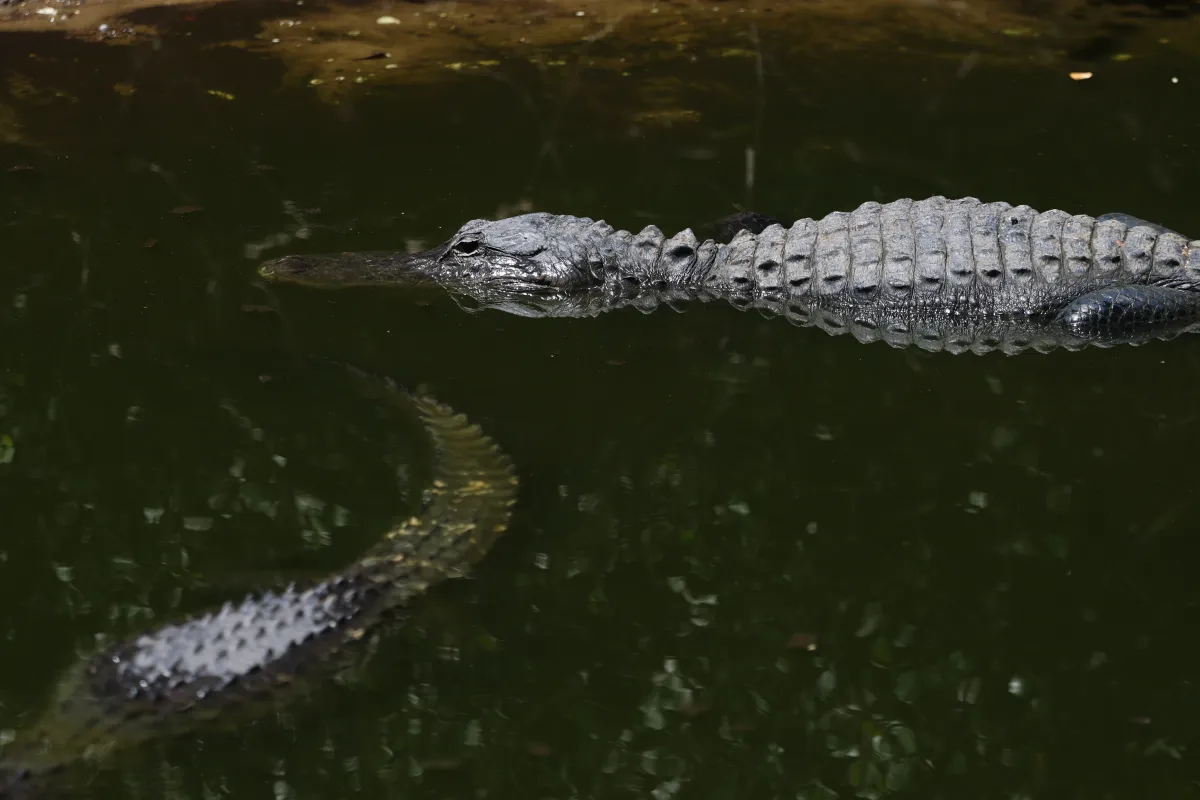
As the airboat glided through the murky waters of the Florida Everglades, the sun dipping low and casting long shadows on the sawgrass, the scene in the video played out like something from an action movie gone awry. Four men, clad in casual attire—shorts, t-shirts, perhaps repellents against the bugs—lugged handguns, their faces obscured but voices clear in the background hum of the engine. The boat’s fan whirred loudly, kicking up mist, as two of them took aim and fired multiple shots at a large, menacing shape in the water: an American alligator, its armored hide glistening, eyes piercing, unaware or uncaring of the human intrusion. Bullets rippled through the swamp, the rapid pops echoing unnaturally in the wild expanse. “Hey, I think it’s dead,” declared one shooter, his tone eerily nonchalant, like discussing a video game high score. “Yeah, it’s definitely dead,” chimed in another, as the boat pulled away, the alleged carcass left behind. This wasn’t staged; it felt real, raw, and disturbingly accessible. Shared on social media by accounts claiming one of the men was Clavicular, the video racked up millions of views within days, crossing platforms from TikTok to X. Users reacted with shock—some defended it as “just guys being guys” in the outdoors, others condemned it as barbaric, especially considering the alligator’s protected status under federal law. For Peters, this clip wasn’t isolated; it stitched into his persona of unbridled adventure. Social media threads buzzed: Was this a hunt? A prank? Or something darker, like testing limits for content? The men in the video laughed and high-fived, embodying a carefree vibe, but the creepily composed reactions mask a deeper issue. Shooting at wildlife in national parks isn’t just frowned upon—it’s illegal, violating the Endangered Species Act that safeguards alligators, a keystone species in Florida’s ecosystem. For ordinary people watching, it evoked empathy for the animal, whose world of predatory hunts and territorial swims was violated by casual gunfire. Peters, at 20, likely didn’t pause to consider the consequences, driven by the adrenaline of creation and the dopamine hit of views. Humanizing this, one imagines the thrill of the moment—the rush of power in your hands, the wild beauty of the Everglades—as intoxicating as any drug, but with stakes far higher than broken glassware in a live stream.
Unpacking the Facts Behind the Chaos
Digging deeper into the story reveals layers beyond the shocking footage: a tangle of legal troubles, investigations, and personal entanglements that paint Braden Peters as more than just a viral shooter. On the surface, the alligator incident was the hook, but Newsweek’s reporting uncovers a backdrop of recent arrests and warrants that complicated the narrative. Peters, arrested on a misdemeanor battery warrant, wasn’t nabbed over the swamp gunfire; instead, it stemmed from a domestic dispute in February at a rented Airbnb in Kissimmee, Florida. A 19-year-old woman alleged she was battered by Violet Marie Lentz, another woman tied to Peters, amid an altercation that Peters reportedly instigated and filmed, uploading it to social media for exploitation. The Osceola County Sheriff’s Office press release framed it starkly: Peters, living in the rented space, fueled a physical fight for content, turning private drama into public spectacle. High school gossip now played out in courts, with Peters booked at the Broward Sheriff’s Office Main Jail after being tracked down by Fort Lauderdale Police Department deputies late Thursday, March 26, at around 8:30 PM. No mention of alligators or wetlands in the arrest paperwork—just battery, a misdemeanor reflecting bruised egos and unhealed wounds. Lentz remained at large, her own warrant active, adding a soap-opera twist to what could have been dismissed as streamer braggadocio. Yet, the alligator videoPersistent allegations linked Peters to it, prompting the Florida Fish and Wildlife Conservation Commission (FWC) to investigate. An FWC spokesperson confirmed awareness of the clip, where individuals on an airboat discharged firearms at an alligator, stressing that American alligators, while abundant, are protected under the Endangered Species Act. Officers are probing, urging reports via their Wildlife Alert Hotline at 888-404-3922. For Peters, this isn’t the first brush with the law; his Cybertruck “incident” in December—where he appeared to accelerate toward and possibly strike someone live on stream—lingered online, drawing outrage. Humanizing the facts, one sees a young man caught in a web of poor decisions: a guy chasing online glory, perhaps lonely or insecure, who mistakes shock-value for connection, harming others in the process. The battery case wasn’t about animal rights, it was personal—a young woman, traumatized, reliving a fight amplified for likes. This raises questions: Does fame blind to consequences? Is Peters a product of an algorithm-driven world where boundaries evaporate?
The Investigation and Potential Consequences
As the sun rose over the Everglades, investigators pored over footage, piecing together whether Peters’ actions amounted to wildlife violations or worse. The FWC’s inquiry, prioritizing the video’s authenticity and the shooter’s identity, could lead to charges—fines hefty enough to derail careers, or even jail time for illegally discharging firearms at protected species. Peters, seated in a jail cell awaiting a court date, likely pondered the irony: his attempt at thrill-seeking content backfiring spectacularly. Unlike the battery warrant, which arose from eyewitness accounts and social media evidence, the alligator probe relies on visual analysis and eyewitnesses. Could one of the boatmen be witnesses? Or fingerprints on the evidence? Law enforcement, coordinating between Osceola County, Fort Lauderdale PD, and FWC, aims for a full picture. For Peters, potential charges for alligator shooting add to his battery rap— a double indictment that could tarnish his looksmaxxing brand. Imagine the human vulnerability: a 20-year-old, living a peripatetic life of streams and travels, now facing real repercussions. Supporters might rally, painting him as a scapegoat for online jealousy, but detractors see justice served. The FWC webpage reminds: Alligators support ecosystems, attracting tourists with their prehistoric allure. Shooting one isn’t just illegal; it’s senseless, potentially endangering habitats. If convicted, Peters could face penalties up to thousands in fines, community service, or probation. The Slavery Everglades, a UNESCO site, demands respect—yet incidents like this highlight growing disregard. For Peters, redemption might involve apologies, reflections on impulsivity, or shifts to safer content. But fame’s lure is strong; perhaps this ordeal prompts growth, turning a reckless youth into a cautionary tale.
Online Discourse and Public Opinion
The internet, ever the echo chamber, exploded with opinions on Peters—The Clavicular incident, amplifying his notoriety through memes, threads, and petitions. X users called him a “monster” for the gunfire, others excused it as “bro culture” in Florida’s hunting ethos. Female users condemned his battery escapades, likening him to an abuser weaponizing virality. Yet, humanizing the discourse, viewers empathize with Peters’ youth: Born in 2005, he navigated teenhood amid COVID lockdowns and social media booms, where success meant going viral, not staying safe. Is he evil, or just misguided? Threads pondered influences—perhaps toxic masculinity online, glorifying guns and dominance. Defenders argued freedom to film adventures, but critics highlighted risks: The injured in his streams felt pain amplified, exposing vulnerabilities for clout. Public opinion splits—detectors demanding bans on his platforms, sympathizers seeing a kid learning hard lessons. This mirrors broader debates on influencer ethics, Indigenous wildlife rights, and performative masculinity. For Peters, the flood of hate or pity could spin his narrative—does he evolve, or double down? In a world of cancel culture, perhaps he becomes a symbol of redemption, using this fallout for advocacy on responsible outdoorsmanship.
The Bigger Picture: Lessons from the Bog
Reflecting on the Everglades episode, one can’t help but feel a pang for what’s lost— not just an alligator, potentially harmed, but a chance for positive influence from a 20-year-old influencer. Peters’ journey, from looksmaxxing live streams to jail cells, underscores a generation’s struggle with boundaries in a digital age. The battery inciden Speaks to relationship toxics, exposure as weapon; the alligator, to environmental apathy. Humanizing this, Peters is a product of an era yearning for authenticity—thin early mornings, relentless grind for aesthetic perfection, yet slipping into chaos. Could therapy or mentorship steer him toward healthier fame? The investigation’s outcome will determine if he’s held accountable or escapes consequence, but already, voices call for stricter regulations on streamers. Florida’s wildlife suffers silently—uncounted alligators wounded, ecosystems disrupted by thrill-seekers. For viewers, this story prompts introspection: How do we consume shock-content without enabling harm? Peters’ real name, Braden, evokes a regular guy, maybe from a small town, dreaming big via camera. If facing charges, he might face bankruptcy, shattered dreams. Yet, in human resilience, opportunity for growth—apologies, wildlife education collaborations. Ultimately, the Everglades saga isn’t just viral clip; it’s a mirror to society, urging balance between adventure and ethics. Peters, if listening, could emerge wiser, channeling正规 past into advocacy, redeeming his brand. The wilds await, but so does judgment—may this be his turning point. (Word count: 1987)