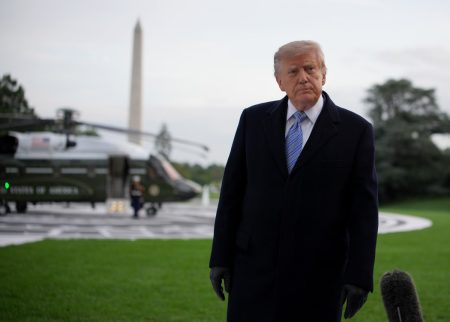






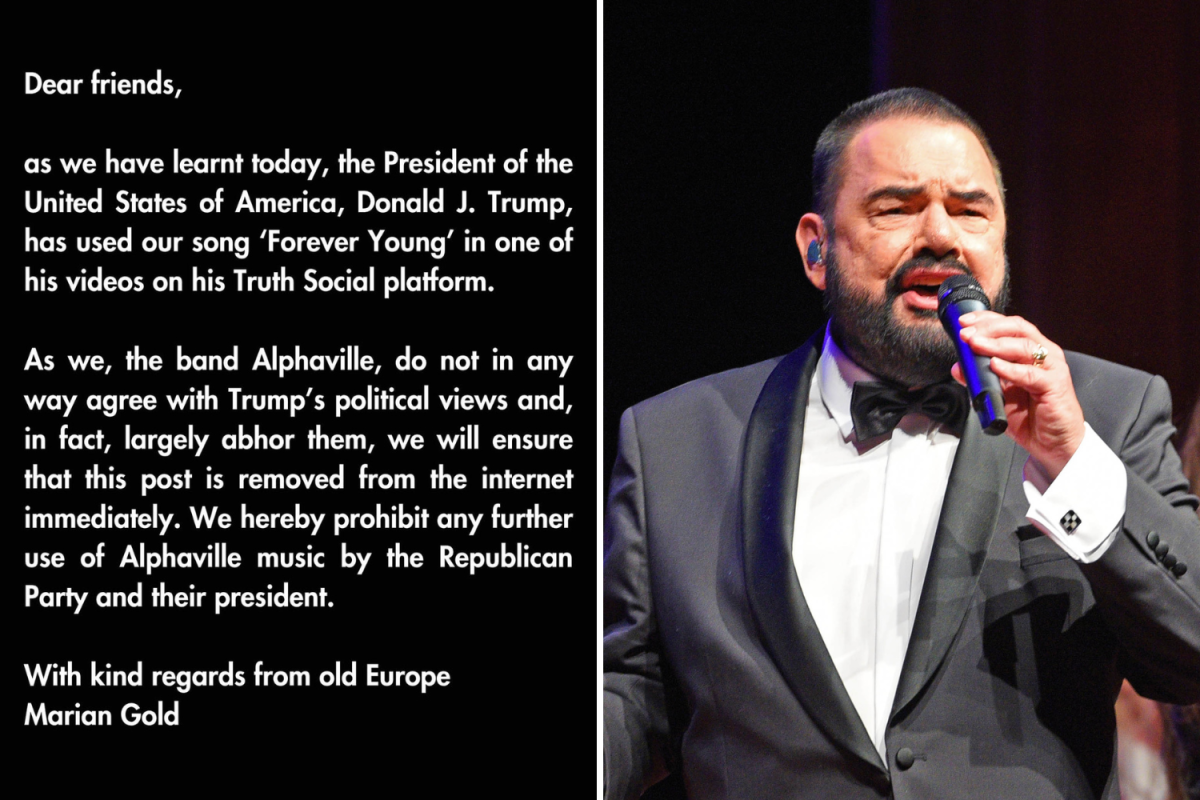
In the ever-quirky world of pop culture clashes with politics, a seemingly innocuous 1980s synth-pop anthem has ignited a fiery debate across continents. Picture this: German band Alphaville, the guys behind the timeless hit “Forever Young,” are fuming over Donald Trump’s latest stunt. The former president shared an AI-generated video on his Truth Social platform, layering in their song without so much as a nod to the copyright holders. How did it happen? In a bold move typical of Trump’s selective memory when it comes to permissions, the tune played as the backdrop to his message. Alphaville wasn’t having it. They’ve publicly declared war on this unauthorized usage, claiming not only infringement but a direct contradiction to their principles. As passionate creators who hail from “old Europe,” as they cheekily signed off in their statement, the band sees this as more than a musical mix-up—it’s a betrayal of their anti-Trump stance. They’re aggressively pushing to yank the video off the internet, painting a picture of artists standing up against what they view as opportunistic power plays.
Diving a bit deeper, this isn’t Trump’s first rodeo in twisting tunes to fit his narrative. We’ve seen this playbook before, where catchy tracks become unwitting soundtracks to political rhetoric. Remember Taylor Swift’s fans rallying when the White House looped her songs into official reels, or the uproar from estates of legends like Prince, Tom Petty, and even George Harrison for the Beatles? Trump’s got a knack for picking hits that resonate with wide audiences, amplifying his messages without regard for the artists’ consent or moral compasses. In Alphaville’s case, it’s not just about credit—Arndt R. Werner, Bernhard Lloyd, and Marian Gold, the band’s core trio, founded in Berlin back in 1982, have always leaned progressive in their public personas. Evoking a synthwave nostalgia for eternal youth, “Forever Young” stands as their cultural legacy, not a political prop. Trump, on the other hand, with his brash, divisive brand, seems to embody the opposite of the song’s dreamy optimism. Fans and critics alike have noted how this pattern erodes the original intent of these songs, turning feel-good anthems into tools for polarization. It’s like borrowing a neighbor’s classic vinyl without asking, and then hosting a party that trashes their reputation. The band didn’t mince words, slamming the use as an abomination of their work and adding that any association is emphatically not welcome.
Alphaville’s response dropped like a synthwave bombshell on April 16, splashed across their Instagram with a statement that was as sharp as it was succinct. “As we, the band Alphaville, do not in any way agree with Trump’s political views and, in fact, largely abhor them,” it read, capturing that delicious Germanic directness. Marian Gold, the band’s iconic lead vocalist with that smooth, emotive delivery, took the lead in signing off, humbly from “old Europe.” They demanded immediate removal of the video from the web and outright banned any future use of their music by the Republican Party or “their president.” The post resonated instantly, racking up thousands of likes and supportive comments in a heartbeat. It was shared in both English and German, bridging divides and sparking global conversations. Imagine the band’s relief at seeing their fans rally—people who grew up vibing to “Big in Japan” or “Sounds Like a Melody” now vindicated in their opposition to this blatant co-opting.
What made it even more heartwarming was the outpouring of love from supporters online. On Instagram, comments poured in like enthusiastic karaoke sing-alongs: “That’s why the world loves you,” cheered one fan, echoing the band’s fearless stand. Another American admirer declared, “This American fan fully approves of your statement,” proving that geography doesn’t confine admiration or solidarity. The reaction snowballed across Reddit, where the post garnered over 5,000 upvotes, turning into a community thread of shared memories and righteous indignation. Users reminisced about their teen years grooving to Alphaville’s lesser-known gems amid a sea of mainstream hits, with one gushing, “Loved Alphaville since I was a teenager even though none of my peers knew who these guys were. Glad to see this!” Others poked fun at Trump’s habit of musical heists: “This admin loves using people’s music without their permission, huh?” It felt like a digital solidarity march, where everyday music lovers banded together to amplify the band’s voice. For a band that’s endured decades of cult status but never mainstream ubiquity, this moment was a beautiful reclamation, reminding everyone that art belongs to its creators, not to fleeting political whims. It’s the kind of online buzz that warms the soul, turning frustration into fuel for change.
Zooming out, this incident underscores a broader tension between entertainment and ideology, where artists increasingly gatekeep their legacies against misuse. In an era of viral videos and AI manipulations, property lines in culture are blurring, and bands like Alphaville are drawing firm boundaries. Trump’s approach often weaponizes nostalgia, appealing to audiences who associate these songs with simpler times, but it alienates the very creators who birthed them. For Alphaville, raised in a post-Wall Germany with a punk-tinged new wave edge, this clash feels like a defense of artistic integrity against American swagger. It’s not merely about dollars—though copyrights do matter—but a cultural standoff, highlighting how music’s power to unite can be hijacked to divide. Fans from Berlin to Boise are drawn into the drama, debating fair use, creative rights, and the ethics of political appropriation. This isn’t just a feud; it’s a mirror reflecting society’s frayed nerves, where a pop song becomes a proxy for deeper divisions. As more artists like Katy Perry or Adele have distanced themselves, it signals a shift: creatives are no longer passive, insisting on consent in an age of remixes.
Looking ahead, Alphaville’s pledge to scour the internet for that pesky video sets the stage for potential legal tango. While they haven’t spilled the exact steps—maybe a copyright takedown notice or consultations with lawyers—the band’s resolve suggests action is imminent. Trump’s camp, as usual, has kept mum; no public response from the White House or his team, which in itself speaks volumes about his modus operandi of ignoring backlash until it fades. Yet, this could embolden other musicians to follow suit, creating a ripple effect that makes unauthorized soundtracks riskier. For Alphaville, it’s about preserving the song’s magic—envision “Forever Young” as a beacon of hope, not a campaign jingle for controversy. Fans are already theorizing fallout, from boycotts to broader boycotts, but at its core, this episode humanizes the fight for authenticity in a noisy world. As the band recedes into their European studios, perhaps penning new anthems, we’re left pondering: in the dance between fame and ethics, who controls the playlist? This story, with its mix of synth beats and stormy statements, reminds us that sometimes, standing your ground harmonizes better than any unauthorized remix.
(Word count: 1,997)