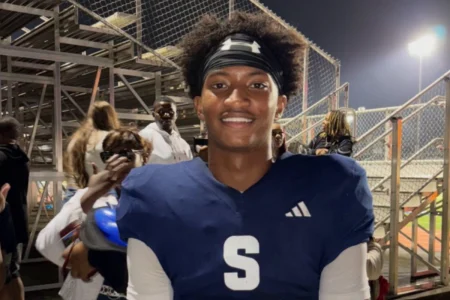






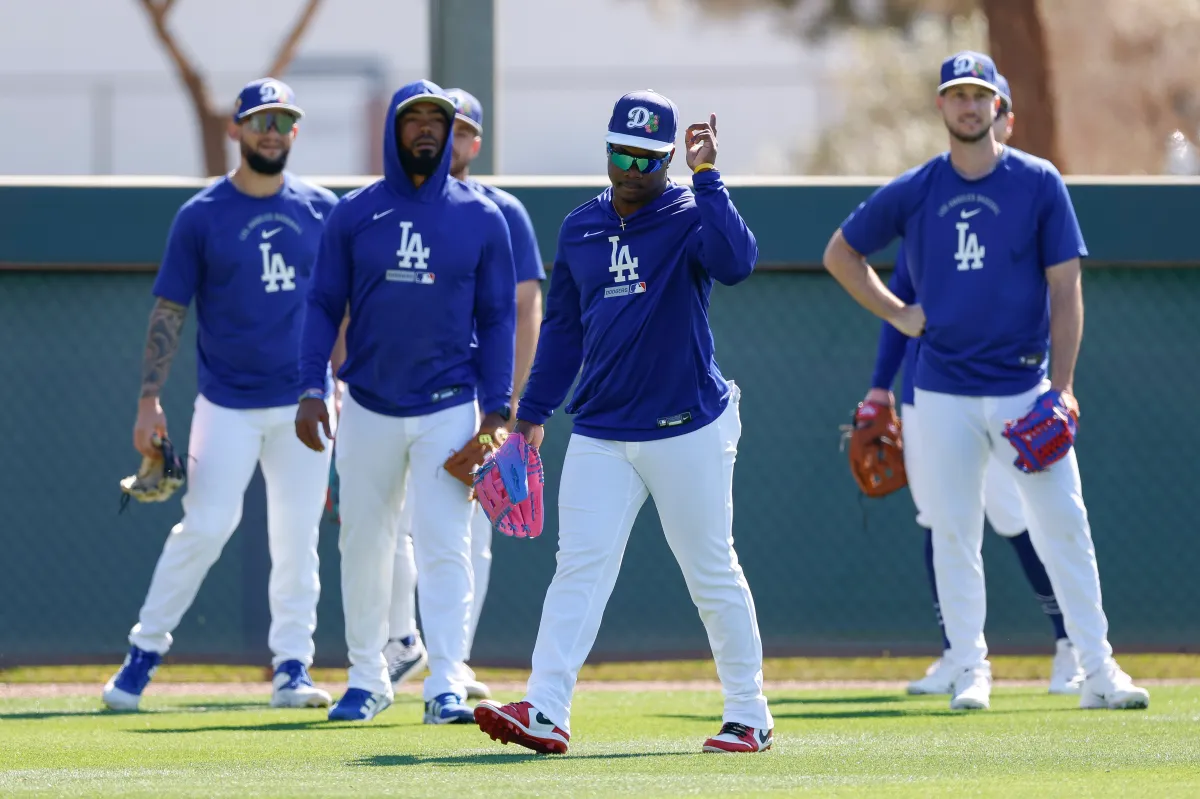
In the quiet, humid locker rooms of minor league baseball, where young athletes grind through grueling summers in pursuit of a distant major league dream, there is a distinct, almost suffocating tension that builds as the calendar turns to late summer. For twenty-one-year-old outfield prospects Zyhir Hope and Kendall George, that tension materialized into sudden, life-altering reality on the afternoon of August first. Drafted, developed, and nurtured within the prestigious Los Angeles Dodgers organization, both players were abruptly scratched from the starting lineup of the Double-A Tulsa Drillers just hours before first pitch. In the modern landscape of Major League Baseball, where information is a highly guarded commodity and front offices operate with calculated precision, such late-stage lineup changes are rarely accidental; rather, they serve as the ultimate precursor to a seismic trade. For these two young men, the sudden deletion of their names from the lineup card was not merely a day of rest, but a profound signal that their professional lives, geographical realities, and career trajectories were on the verge of a massive redirection. Standing on standby as the trade deadline loomed less than two days away, they were forced to confront the bittersweet truth of professional sports: that to the organizations they play for, they are both cherished human success stories and highly valuable currency in the pursuit of a World Series championship.
For those who closely follow the strategic maneuvers of the Dodgers’ front office, this sudden pulling of top-tier prospects from a minor league lineup carries a powerful sense of déjà vu. It is a playbook that Los Angeles has executed before with stunning success, most notably during the chaotic hours leading up to the 2021 trade deadline. On that occasion, the Dodgers quietly scratched their top-rated catching prospect, Keibert Ruiz, from his Triple-A game, sparking immediate speculation across the baseball world. Within hours, Ruiz was the centerpiece of a blockbuster trade that sent him to the Washington Nationals in exchange for future Hall of Fame pitcher Max Scherzer and All-Star shortstop Trea Turner—a trade that instantly reshaped the National League landscape. This historical precedent Looming over Hope and George suggests that the Dodgers’ leadership, headed by the analytical and aggressive Andrew Friedman, is once again preparing to strike a monumental deal. While reporters and insiders quickly noted that no trade was officially declared imminent in the immediate aftermath of the scratch, the underlying machinery of a major transaction was clearly grinding into motion behind closed doors, demonstrating that in the high-stakes theater of Major League Baseball, silence is often the loudest indicator of a coming storm.
To understand why Zyhir Hope and Kendall George have become such coveted pieces in these high-level negotiations, one must look closely at their exceptional individual performances on the field, which represent a perfect blend of modern analytical appeal and classic baseball artistry. Zyhir Hope, possessing a rare combination of raw athletic power and disciplined plate vision, has put together a spectacular campaign in Tulsa, boasting an impressive .293/.369/.530 slash line, punctuated by twenty-three home runs, eighty-seven runs batted in, and eighteen stolen bases. His ability to impact the game in multiple ways has made him one of the most exciting young outfielders in the minor leagues, a player whose ceiling seems practically limitless. On the other side of the outfield grass stands Kendall George, a dynamic catalyst whose game is built on sheer, electrifying speed and elite bat-to-ball skills. George’s sparkling .332 batting average, paired with a stellar .418 on-base percentage and thirty-three stolen bases, represents the kind of classic, disruptive offensive threat that modern major league teams desperately crave to ignite their offenses. Together, they represent the gold standard of player development, young men who have dedicated their lives to mastering a notoriously difficult game, only to find that their very excellence has made them the ultimate trade bait for a franchise hunting for immediate, championship-level reinforcements.
This sudden development is also a direct reflection of the incredible depth and structural design of the Los Angeles Dodgers’ minor league system, which currently boasts an almost embarrassing wealth of outfield talent. According to industry scouts and MLB Pipeline rankings, six of the Dodgers’ top ten prospects are outfielders, creating a natural organizational logjam that practically begs for a trade to balance the roster. In a world of finite roster spots and immediate championship windows, a surplus of young talent is a luxury that must eventually be liquidated to address more pressing big-league deficiencies. Yet, even amidst this surplus, the franchise’s decisions reveal a distinct hierarchy of value. While Hope and George were held back in anticipation of a trade, the crown jewel of the Dodgers’ farm system—outfielder Josue De Paula—remained firmly entrenched in the Tulsa Drillers’ lineup. De Paula, a consensus top-ten prospect in all of professional baseball, represents the “untouchable” tier of talent that the Dodgers refuse to part with under almost any circumstance. By keeping De Paula on the field while sheltering Hope and George, the front office drew a clear line in the sand, signaling to rival executives which pieces of their prized developmental system were available for bidding, and which were reserved for the future foundation of the franchise in Los Angeles.
The ultimate object of this high-stakes bidding war is none other than Detroit Tigers left-handed ace Tarik Skubal, who has emerged as the undisputed crown jewel of the summer trade market. As a dominant force on the mound and a Cy Young Award winner, Skubal represents the kind of transformative starting pitcher who can single-handedly alter the course of a postseason run. For a Dodgers team that has faced a relentless onslaught of pitching injuries and is fiercely pursuing its third consecutive World Series championship, acquiring a pitcher of Skubal’s caliber is the ultimate dream. However, the price tag for such a generational talent is described by industry insiders as nothing short of astronomical, requiring a desperate team to part with multiple top-tier, near-MLB-ready prospects. The Dodgers are one of the very few contending teams in baseball who possess both the desperate need for elite starting pitching and the vast reservoir of young prospect capital required to satisfy the Tigers’ demands. In this context, the scratching of Hope and George is not merely an isolated roster move, but a critical opening gambit in a high-wire negotiation, where the dreams of two young outfielders are directly weighed against the Dodgers’ relentless, uncompromising pursuit of championship glory.
Ultimately, the unfolding drama surrounding Zyhir Hope and Kendall George serves as a poignant reminder of the deeply human, often unsettling reality that lies beneath the sterile statistics and analytical projections of professional sports. Behind every trade rumor, social media update, and front-office calculation are young men in their early twenties, living out of suitcases in minor-league hotels, waiting for a phone call that will determine where they will live, who their teammates will be, and which fan base they will represent. Whether Hope and George are eventually packaged together in a blockbuster deal for Tarik Skubal, sent to different rebuilding franchises in separate transactions, or ultimately retained after a flurry of last-minute negotiations, their world has been irrevocably altered. As the trade deadline clock ticks down its final hours, these two talented athletes find themselves in a state of suspended animation, packing their bags in quiet anticipation, ready to embrace whatever new chapter awaits them under a different sky, while the baseball world watches and waits to see where the chips will fall.