

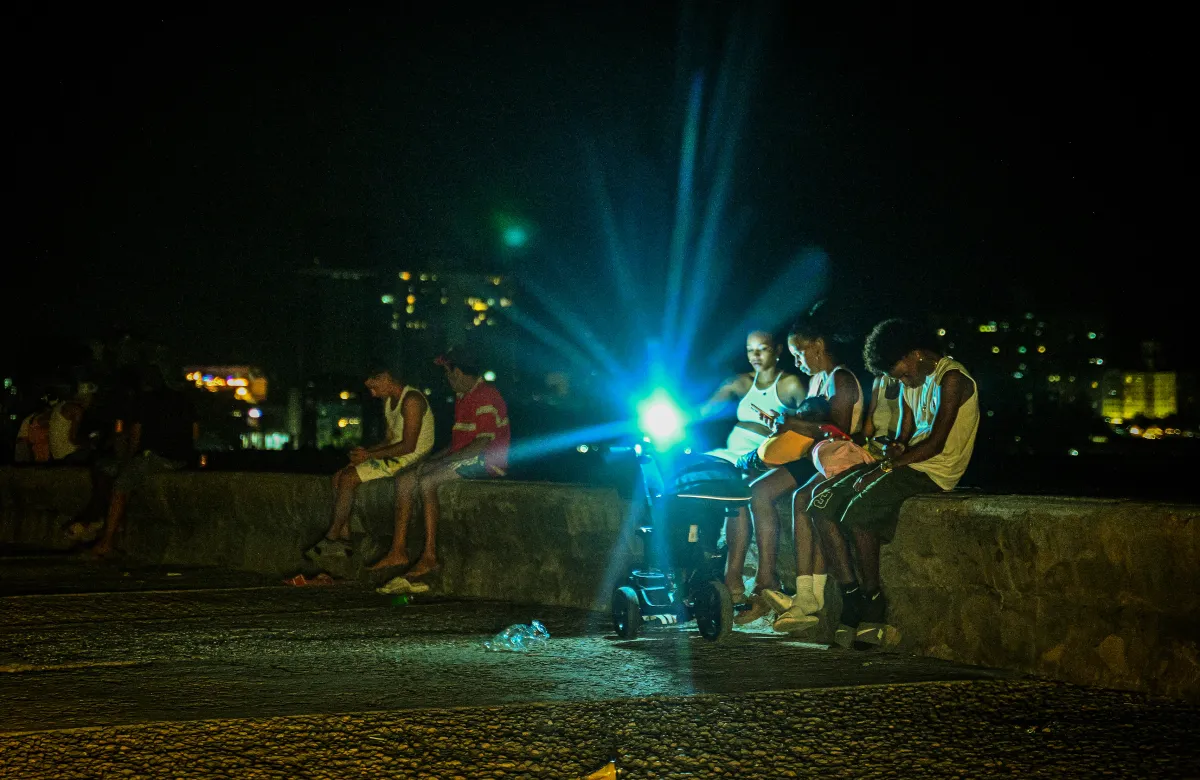
The Plight of a Darkened Island: Understanding Cuba’s Latest Blackout
Cuba’s national power grid collapsed on a recent Saturday, plunging the entire island into darkness for the third time this month. This wasn’t just a flicker—it’s a total blackout that left millions without electricity, highlighting the struggles of a nation grappling with worn-out infrastructure and an unyielding U.S. economic stranglehold. The state-owned Cuban Electric Union reported the outage without specifying the cause, but authorities assured the public they were working tirelessly to restore power. Imagine waking up in Havana or a small coastal town, the hum of refrigerators and fans suddenly silenced, leaving families in stifling heat. For many Cubans, this is the reality they’ve faced repeatedly, turning everyday life into a battle for normalcy. The situation is compounded by fuel shortages triggered by U.S. sanctions, which have cut off vital oil imports, making every recovery effort a uphill climb. As a viewer from afar, it’s easy to forget that behind the headlines are real people—children missing school, elderly folks without medical devices, and workers unable to earn a living. This blackout isn’t isolated; it’s part of a broader pattern of instability dating back years, exacerbated by aging power plants and reliance on foreign aid that has dried up. The Cuban government, under President Miguel Díaz-Canel, insists it’s seeking diplomatic solutions, but the toll on human lives is undeniable. Stories from residents describe nights spent in candlelight, sharing meals with neighbors, fostering a sense of community amid hardship. Yet, it’s heartbreaking to hear how hospitals have delayed surgeries due to fuel limits, putting lives at risk. The Trump’s administration’s policies paint this as a move to “protect U.S. interests,” but for Cubans, it feels like punishment inflicted on the vulnerable. This latest outage underscores how geopolitical tensions can ripple into the homes and hearts of ordinary people, creating a cycle of resilience and desperation. While the world debates politics, the Cuban people endure, hoping for a light at the end of the tunnel—a restored grid that symbolizes not just energy, but hope.
The Shadow of U.S. Sanctions: A Blockade That Bites
To grasp why Cuba’s lights keep going out, one has to look at the U.S. blockade, a policy that’s been tightening like a vice since January. On January 29, President Donald Trump signed an executive order leveling new tariffs on countries that sell oil to Cuba, directly targeting the island’s lifeline. The order accuses Cuba’s communist government of supporting “hostile countries, transnational terrorist groups, and malign actors” detrimental to U.S. interests—claims that Cuba vehemently denies as baseless. It reads like a stern warning: “The United States has zero tolerance for the depredations of the communist Cuban regime,” pledging to hold Cuba accountable while professing support for the Cuban people’s “aspirations for a free and democratic society.” But the reality on the ground tells a different story. These tariffs have slashed Cuba’s fuel imports, leading to queues at gas stations, idle buses, and factories shutting down. For families, it’s meant fewer trips home by car, less electricity for cooking elaborate meals, and a reliance on solar panels that can’t power an entire economy. Critics back home in the U.S. argue this blockade punishes innocents, turning international relations into a humanitarian issue. Picture a mother in Santiago de Cuba rationing propane for her stove, her children playing in the dim glow of lanterns, unaware of the global chess game. The blockade, re-energized under Trump, contrasts with efforts toward diplomacy; Díaz-Canel has called for “negotiated solutions,” but progress feels elusive. It’s not just about oil—it’s about dignity, as Cubans navigate daily hardships caused by policies designed to pressure their government. The human cost is profound: economic pain that echoes in empty wallets, spoiled food from powerless fridges, and protests that erupt when patience runs thin. Families share stories of ingenuity—neighbors pooling resources for generators—but the strain is evident in the faces of those who’ve lost jobs or health due to blackouts. As an outsider, it’s hard not to empathize with this imbalance of power, where one nation’s security dictates another’s suffering, reminding us that freedom for some often means constraints for others.
Aging Infrastructure and Fuel Fears: The Roots of the Crisis
Cuba’s energy crisis isn’t born overnight; it’s rooted in decades of neglect and circumstance, now amplified by U.S. moves. The island’s power grid, reliant on outdated thermoelectric plants, has seen routine breakdowns, with blackouts becoming a grim routine over the past two years. A previous outage this month was traced to a failing plant east of Havana, worsened by acute fuel shortages that force rolling cuts of up to 12 hours a day. Cuba produces only about 40% of the fuel it needs, once propped up by Venezuelan oil shipments that ended abruptly after the U.S. arrested Venezuelan President Nicolás Maduro in January. Now, the government leans on alternative sources like solar power and natural gas, but these are stopgaps in the face of demand. For everyday Cubans, this means disrupted lives—dark nights where conversations linger longer, families adapt by sharing batteries for radios, or elders reminisce about the “good old days” before electricity became so erratic. The impact is physical르너기: hospitals postponing surgeries, leaving patients in limbo, their families holding vigil in unsteady matriarch 외적. It’s emotional too—kids missing homework lights, couples postponing celebrations, workers idling away productive time. Tourism’s collapse during COVID-19 added insult to injury, straining the economy that funds these fixes. Stories abound of innovative solutions, like community gardens thriving in daylight hours, but the human toll is heavy. Imagine a fisherman in Matanzas, his boat still in the water but his cold storage powerless, leading to rotting catch and lost livelihoods. This isn’t just infrastructure failure; it’s a testament to resilience, where people unite to survive, cooking over open fires or bartering for essentials. The government’s response, while promising, feels slow against the backdrop of a landscape scarred by sanctions that bleed into every sector. As readers, we can humanize this by remembering the faces behind the fazstatistics—the grandparents recounting rationing from harder times, the artists creating by candlelight, turning crisis into creativity. It’s a call to empathy, urging us to see beyond politics to the shared humanity of those navigating darkness, waiting for a sustainable dawn.
Trump’s Words and Cuba’s Future: A Tension-Fueled Prophecy
President Trump’s rhetoric on Cuba adds fuel to the fire, painting a picture of inevitable change that’s both intriguing and alarming. In a CNN interview earlier this month, Trump predicted that “Cuba is going to fall pretty soon,” suggesting he’s ready to make a deal, possibly involving figures like Senator Marco Rubio. “They want to talk, and so I’m going to put Marco over there and we’ll see how that works out,” he said, framing it as a post-Middle East priority, even hinting at a “friendly takeover.” This casual dismissal of sovereignty raises eyebrows, portraying Cuba as a puzzle piece in U.S. foreign policy rather than a nation of people with their own aspirations. For Cubans, it’s a reminder of decades of strained relations, where U.S. interventions—from the Bay of Pigs to ongoing sanctions—have shaped their reality. Díaz-Canel’s push for negotiations feels like a plea for human rights, acknowledging the blockade’s “choking” effect on daily life. Humanizing this means envisioning the confusion and concern it stirs among island residents, who worry about foreign meddling in their political destiny. Families debate over supper about what a “fall” might mean—could it bring relief or more upheaval? Stories from exiles returning to invest under new Cuban policies highlight hope, but Trump’s comments deepen mistrust. A mechanic in Pinar del Río might fear job loss under new regimes, his tools a legacy of quiet perseverance. Meanwhile, dissidents whisper of freedoms, yet many cherish the social safety nets socialism provides. It’s a polarized human emotion: fear of the unknown versus yearning for stability. As an observer, Trump’s bold words feel detached from the ground, where Cubans endure storms without power, their lives a canvas of quiet defiance. This tension isn’t just diplomatic; it’s woven into the fabric of family legacies, with grandparents passing down tales of revolution and resilience. Labeling Cuba’s government as “communist” doesn’t capture the nuance—the blend of party control, private invest Lachenments, and cultural spirit. It’s a reminder that predictions from afar often overlook the lived experiences of those directly affected.
The Reality of Blackouts: Daily Struggles in a Powerless Island
Zooming in on the blackouts, the Cuban Electric Union has reported total outages multiple times this March, with investigations ongoing into causes—likely the usual suspects of failing infrastructure and fuel dearth. The first hit on March 4, the second on the 16th, as the Ministry of Energy and Mines tweeted of “a total disconnection” and activation of restoration protocols. But for citizens, these aren’t mere stats; they’re invasions of normalcy. Rolling blackouts stretch up to 12 hours, disrupting work, school, and health. A teacher in Camagüey might rave about community picnics in the evenings, but the reality bites—spoilage of perishable foods, inability to charge phones for crucial calls to family abroad. Hospitals ration power, doctors weigh ethics against energy limits, patients’ families vigil in candlelit corridors. Protests have erupted over this economic pain, fueled by the blockade, as people demand accountability. Imagine a young entrepreneur, whose small business relies on electricity, dreaming of Cuba’s embrace of foreign investment by Cubans abroad, as reported by NBC News. Deputy Prime Minister Oscar Pérez-Oliva Fraga speaks of fluidity in commercial ties with the U.S., even inviting descendants of exiles to invest. This openness hints at reform, yet blackouts stymie progress— چگونه an investor’s potential factory hits snags without reliable power. The island’s shift toward solar and gas is promising, but transitions are messy. Narratives from residents describe adaptable lives: barbecues in parks, storytelling sessions, forging bonds over shared hardships. Yet, it’s poignant—the grandmother whose medical fridges fail, risking medication efficacy, or the student studying by flashlight, ambitions dimmed. Food distribution grinds to a halt, nutrition suffers, families innovate with solar kitchens. This humanizes the crisis, turning headlines into heartfelt affidavits of endurance, where darkness breeds creativity and light symbolizes possibility.
Communism’s Grip and Cuba’s Evolution: A Nation’s Identity
At its core, Cuba is a communist state, entrenched in a one-party system under President Díaz-Canel, a Communist Party member seit designated in ideology. The 2019 constitution reaffirms socialism as “irrevocable,” blending party control with nods to private property and some market openness. Yet, this isn’t the stifling caricature; it’s a living system where reforms allow foreign investment, as Fraga told NBC News, inviting U.S. Cubans and their kin to grow businesses on the island. This fluidity signals evolution amid blackouts, where people adapt, hoping economic ties ease energy woes. Human stories reveal complexity—a regime supporter in Holguín praising social programs like free education, contrasted with dissenters pushing for more freedoms amidst protests. For families, communism means stability in healthcare but constraints in expression, a mix that fosters loyalty and longing. Exiles’ investments could bridge gaps, bringing tech to combat inefficiencies, yet sanctions rally against it. Picture a cafe owner, now able to source foreign wares, dreaming of brighter days powered not just by sun but by partnerships. The U.S.-Cuba rift spans generations, with blackouts mirroring unresolved animosities. Díaz-Canel’s diplomacy seeks thaw, but Trump’s defiance stalls it. Humanizing this means empathizing with Cubans navigating identity—proud of revolucion heritage yet yearning for modernity. Grandparents describe Castro-era sacrifices, youth question futures under blokcades. It’s a nation shaped by ideology and isolation, where power struggles extend beyond electricity to autonomy. Through it all, resilience shines—communities rallying, art flourishing in the dark—which reminds us that human spirit transcends politics, urging global compassion in Cuba’s ongoing saga. As observers, мы can advocate for solutions that empower people over punitive policies, bridging divides with understanding. This article draws from Associate d Press reporting, illuminating a story of strength amid shadows.