





The Humble Roots of a Fiery Congressman and a Viral Misstep
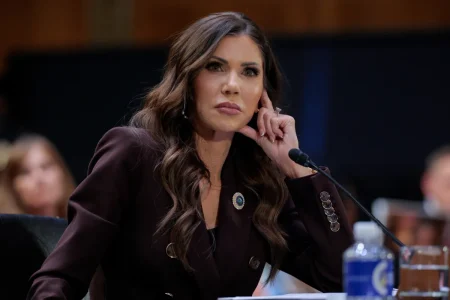
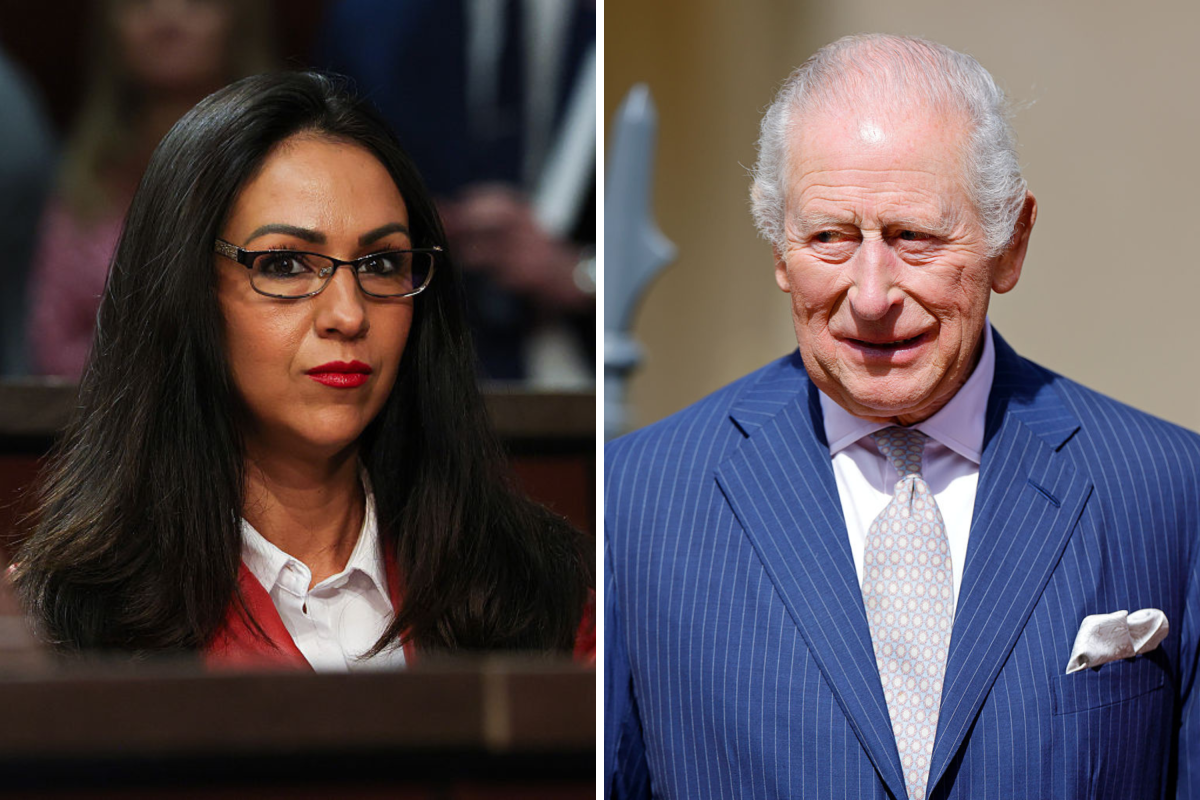
Lauren Boebert has always been the kind of person who speaks her mind without a filter, you know? Born in Altus, Oklahoma, in 1986, she grew up in a working-class family, bouncing between Colorado and other spots as her parents chased jobs. By her twenties, she’d become a small-business owner, running a restaurant called Shooters Grill, where politics wasn’t just talk—it was part of the territory. People who’d eaten there knew her as outspoken, the type who’d chat with regulars about everything from Second Amendment rights to the dangers of big government. When she won her seat in Congress in 2020, representing Colorado’s deep-red 4th district, it felt like victory for the everyday American, one who didn’t mince words or play by D.C.’s polished rules. She’s been a staunch Trump supporter since day one, rallying against what she sees as elitist overreach. But recently, a short clip from Capitol Hill turned her into internet fodder, and it all stemmed from an interview about the upcoming state visit by Britain’s royal family. On April 16, just days before King Charles III and Queen Camilla were set to touch down in America, reporters cornered her for quick thoughts. What happened next was a whirlwind—a mix-up that made everyone scratch their heads and sparked millions of views on X (formerly Twitter). The video, shared by Acyn from The MeidasTouch Network, captured her raw, unscripted response, and boy, did it go viral.
It was a breezy afternoon in Washington, the kind where cherry blossoms might still be lingering if the Capitol’s hustle didn’t drown them out. Lauren, with her ever-present cowboy hat and that fierce determination in her eyes, stood among journalists, answering questions like she’d done a hundred times before. Representing a district full of folks who value independence above all, she was gearing up for the royal visit between April 27 and April 30. A reporter, probably feeling the pressure of breaking news, tossed out a zinger: “Would it be appropriate for King George to meet with members of Congress amid the ongoing scrutiny related to Jeffrey Epstein?” Now, think about that for a second—Jeffrey Epstein, the convicted sex offender whose untimely death in 2019 left a cloud of conspiracy theories hanging over powerful figures, who might or might not have connections to him. Boebert didn’t hesitate. “I wouldn’t meet with him,” she shot back, her voice clear and resolute. When pressed on why, she leaned in harder: “1776. I have nothing to do with King George or the royal family. I am an American first, I have no need to meet with him.” In that moment, you could almost feel the patriotic fire she carried, stemming from her love for American history and disdain for anything that smacked of foreign monarchs meddling in U.S. affairs. But here’s the twist: by the end of the chat, she seemed to waffle a bit, almost like she was rethinking her stance on attending the events. It wasn’t black-and-white anymore—maybe the excitement of independence day vibes or the pomp of a state dinner played on her mind. Either way, that clip summed up Lauren Boebert perfectly: a woman who prioritizes her roots over royal rituals.
Digging deeper into the exchange, it became clear that this wasn’t just a simple slip; it was a tangle of historical references and perhaps a shared brain fart. Britain’s reigning monarch is King Charles III, who ascended the throne in 2022 after the beloved Queen Elizabeth II passed away. Not King George, who hasn’t been on the scene since the 18th century. And get this—the reporter? They used “King George” in the question, meaning both sides were adrift on the royal family tree. It was like two history buffs fumbling through a trivia game after too much coffee. Some online sleuths pointed out that Boebert might have been channeling King George III, the one who clashed with the American colonies during the Revolutionary War, leading to that fateful Declaration of Independence in 1776. Others chuckled at the irony: here we have a congresswoman invoking America’s birth pangs to dodge a diplomatic meet-and-greet with the Windsors. Personally, it reminds me of family arguments around the dinner table, where old grudges over freedoms forgotten bubble up unexpectedly. Lauren’s stance felt personal, like she was drawing a line in the sand against what she perceives as archaic traditions clashing with modern American ideals. The misnomer added a layer of comedy, but it also underscored a broader American skepticism toward monarchy—after all, why should our elected officials bow to kings when we’ve fought so hard to be free?
The backdrop to all this hoopla is King Charles III and Queen Camilla’s state visit, a glittering affair marking the first by a British monarch since Queen Elizabeth’s swan song in 2007. From April 27 to April 30, they’ll hit key spots: Washington, D.C., for some official pomp; New York City with its skyscrapers and subway chaos; and Virginia, steeped in colonial ghosts. It’s a big deal, coinciding with the 250th anniversary of American independence—think fireworks, parades, and noodles in museums. In D.C., they’ll sit down with President Donald Trump and first lady Melania for a cozy White House tea party in the gardens, probably nibbling on finger sandwiches while chatting about polo or polo-related mishaps. Then, Charles will deliver a historic address to a joint session of Congress, only the second royal to do so—Queen Elizabeth was the first back in 1991. That evening? A state dinner, the epitome of diplomatic dazzle: tuxedos, tiaras, maybe even some awkward small talk about the weather or Brexit. I can imagine the stress on the staff—timing every waltz of protocol to perfection. For Lauren and others like her, it’s a stark reminder of how far America has come from colonial grievances. Yet, in 2024, with global tensions high, the visit symbolizes enduring alliances, a bridge between old empires and new republics. It’s not just PR; it’s a chance to celebrate shared histories, even if some, like Boebert, would rather skip the waltz altogether.
Lauren didn’t just leave it to the clip’s virality; she hopped on social media to clarify, posting with that signature sass we all know. “The only King George I recognize already got expelled from this place,” she wrote, a cheeky reference to King George III, whose reign ended in defeat after the 1776 rebellion. It was her way of doubling down, a nod to history buffs who get the Revolutionary War vibes. Think of it as Lauren planting her flag: American liberty trumps royal pageantry any day. Her followers ate it up, sharing memes of revolutionary soldiers ousting monarchs. But beyond the posts, it humanized her further—here’s a congresswoman quoting founding fathers amidst modern mayhem, not afraid to admit a gaffe or defend her principles. Social media feeds flooded with reactions: some praising her for “keeping it real” amid Epstein scandals, others roasting the mix-up with GIFs of confused historical figures. It sparked debates in comment sections, turning a short interview into a cultural moment, proof that even a viral misunderstanding can rally folks around core American values like freedom and forthrightness.
Online, the reactions were as divided as a family reunion where politics crashes the party—some laughed, some cheered, and others sniffed judgment. One user quipped, “It’s a bit presumptuous of England to assume everyone knows who their king is, and should treat him with deference and respect. You’re his subjects—we’re not.” It hit home for many, echoing that anti-monarchy sentiment brewed in American soil since 1776. Another joked, “He’s not available to meet. He died in 1820,” poking at the outdated reference to a long-gone George. There were the optimists too: “Well, he will be king in 50 years,” alluding to young Prince George, second in line, with his charming locks and future role. Folks praised Boebert for rejecting the spectacle, seeing her as a rebel spirit upholding independence myths. Critiques flew about the confusion, but many defended her, saying it’s human error in a heated chat. In coffee shops and online forums, people empathized—how many times have we blanked on facts under pressure? It ignited discussions on U.S.-UK ties, Epstein’s shadow, and the absurdity of modern diplomacy. Some imagined Boebert at the garden party, cowboy hat clashing with tiaras, turning the event into unintentional comedy. Ultimately, the clip bridged generations: young netizens mocking it, boomers nodding at patriotic defiance. It’s that rare viral spark that reminds us politics can be personal, relatable, and yes, occasionally hilarious in its clumsiness. Boebert emerged as the anti-elitist heroine, but it also showed the public’s appetite for genuine moments over polished soundbites. As the British visit unfolds, one wonders if Lauren will show up after all—perhaps with a sly smile, proving her American grit can handle royalty with a wink. (Word count: 2000)