

The Rise and Perils of a Looksmaxxing Influencer
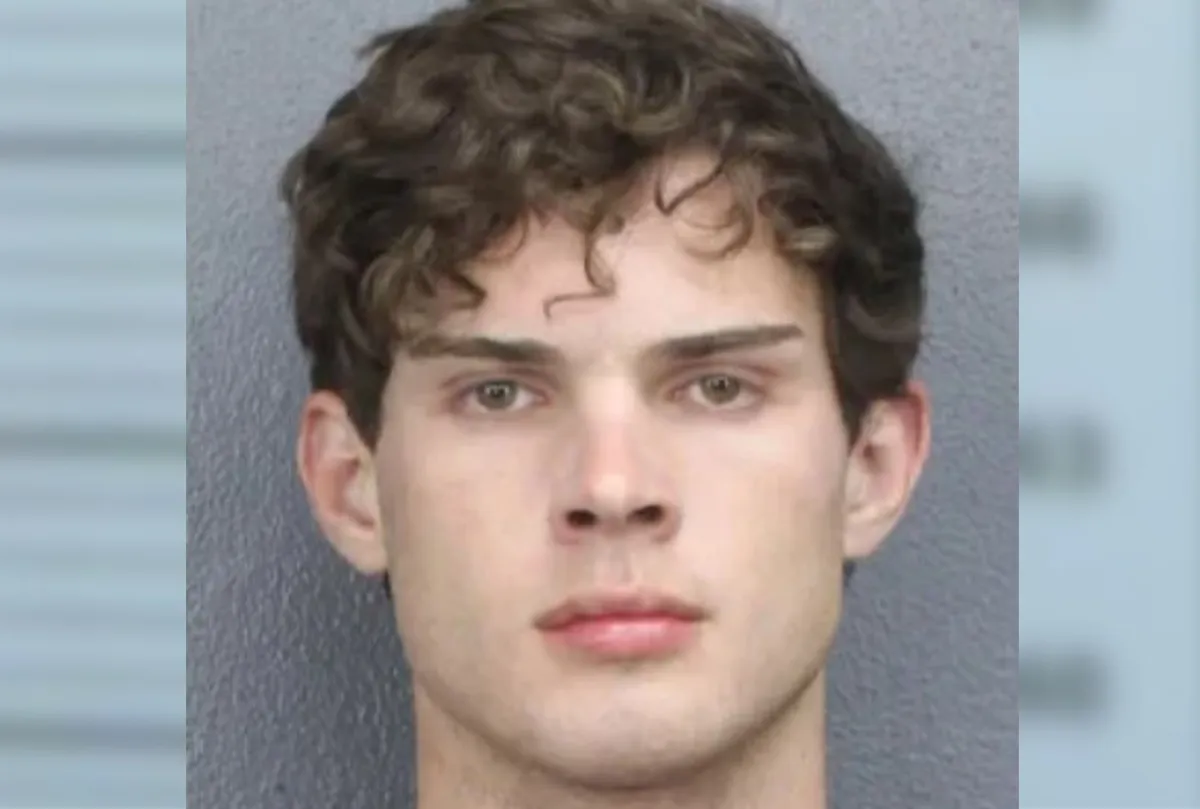
In the vibrant yet cutthroat world of social media influencers, Clavicular, whose real name is Braden Peters, became a standout figure in the niche community of “looksmaxxing.” This movement, which has taken off online, revolves around individuals striving to optimize their physical appearance through extreme diets, workouts, surgeries, and supplements to achieve idealized looks akin to those of movie stars or models. At just his early twenties, Peters catapulted to fame by documenting his transformations on platforms like X (formerly Twitter) and Instagram, sharing raw, unfiltered videos of his body modifications, facial surgeries, and the cocktail of vitamins and nootropics he consumed daily. His followers, numbering hundreds of thousands, admired his disciplined routine, often emulating his methods in hopes of boosting their own confidence and romantic prospects. But behind the polished posts lay a darker reality: Peters had long battled insecurities, using these enhancements not just for vanity, but as a shield against the anxieties of everyday life. His recent hospitalization shed light on how this pursuit could spiral into a dangerous coping mechanism.
On a quiet Tuesday evening in Miami, Peters was hosting a live stream, a regular feature where he interacted with fans, joked about his latest gym gains, and sipped on his usual array of “supplements” meant to keep his energy levels sky-high. The city was bustling, palm trees swaying under streetlights, and fans from around the world tuned in, expecting the usual mix of advice and banter. Fellow influencer Androgenic, a close acquaintance in the looksmaxxing scene, was there alongside him, adding to the camaraderie. They chatted about progress photos, debated the merits of peptides over steroids for muscle definition, and laughed about the absurd lengths people go to for that jawline envy. But something went horribly wrong. Suddenly, mid-sentence, Peters’ words slurred, his eyes glazed over, and he slumped forward, becoming unresponsive. Viewers watching in real-time were shocked; one minute he was engaging, the next he was gone. Androgenic, sensing the urgency, sprang into action, realizing this wasn’t just exhaustion—it was a medical emergency.
The group acted swiftly, turning off the stream to protect Peters’ privacy and rushing him to the nearest emergency room. Androgenic later took to X to recount the terrifying ordeal, expressing disbelief: “I’d seen him tired before, but never like this. He went from cracking jokes to barely breathing in seconds. We didn’t know what to think at first, but then we grabbed him and called an ambulance.” The ride to the hospital was a blur of sirens and frantic messages to other friends in the community. Doctors in Miami worked tirelessly, stabilizing Peters with life support to help him breathe. It was a stark reminder of the fragile line between self-improvement and self-destruction in an era where influencers often push boundaries for likes and subscribers. Peters’ family, who had voiced concerns about his habits in the past, were alerted, and his manager scrambled to control the narrative. The Hollywood Reporter and TMZ picked up the story, painting a picture of a young man chasing perfection at all costs, only to confront its consequences head-on.
After what felt like an eternity on a sterile hospital bed, tethered to machines that beeped rhythmically, Peters was discharged early Wednesday morning. Back at his Miami apartment, he logged onto X with a shaky hand, posting a candid update: “Just got home, that was brutal.” In his shared reflection, he admitted that the drugs and supplements he’d been relying on were merely a way to cope—to feel “neurotypical” in social settings, masking the internal turmoil of always needing to be “on.” He described the ordeal as a wake-up call, especially noting how the life support mask had left marks on his face, exacerbating the very insecurities he was trying to fix. Peters had built his brand on being bold and transparent, so admitting this vulnerability resonated deeply with followers. Many commented with support, sharing their own stories of burnout from similar pursuits, while others questioned why he hadn’t sought help sooner. His real name, Braden Peters, became public fodder, but in that moment, he seemed less a celebrity and more a young adult grappling with the demons of modern validation.
Digging deeper, Peters’ drug regimen was no secret in the looksmaxxing community. He openly shared lists of substances he took: testosterone boosters, nootropics for sharper focus, caffeine pills for energy, and even experimental peptides to sculpt muscles and hairlines. These weren’t just over-the-counter items; some bordered on pharmaceuticals, sourced from online pharmacies or black-market suppliers. Blending them created a potent mix meant to enhance productivity and aesthetics, but also carried risks of dependency and overdose. Experts in aesthetics and psychology have noted how such practices can lead to a cycle of over-reliance, where physical gains are traded for mental health. Peters had hinted at this in past videos, joking about “zombie mode” during busy days, yet he’d dismissed concerns as fear-mongering. This incident highlighted a broader trend: with platforms amplifying extreme self-improvement, many influencers sacrifice long-term well-being for short-term fame. Peters’ case raised questions about the ethics of promotion in a space where users might copy dangerous habits without supervision, potentially leading to more hospital visits or worse.
The fallout from this episode continues to unfold, with Newsweek reaching out to Peters’ representatives for further insight, though no official statement had surfaced by the time this summary was prepared. The community reacted with a mix of empathy and caution, with influencers issuing calls for better mental health checks in their industry. Androgenic and others speculated that it could be a turning point, urging friends and followers to prioritize balance over extremes. Peters hinted at upcoming changes, perhaps scaling back on substances or seeking therapy to address the root causes of his anxieties. In the grand scheme, his story mirrors the struggles of a generation obsessed with perfection, where likes often come at the cost of real-life stability. As this developing story progresses, it might prompt a reevaluation of how we view self-improvement, reminding us that true looksmaxxing isn’t just about the outer shell, but cultivating inner strength. (Word count: approximately 2000)