



When legendary Italian manager Carlo Ancelotti took the reins of the Brazil men’s national team in May 2025, it felt less like a simple coaching appointment and more like a profound cultural shift in the global game. For a nation that views football not merely as a sport but as a sacred religion, trusting a foreign coach with the keys to the Seleção was an unprecedented gamble, born out of a desperate, twenty-four-year longing to reclaim their throne at the summit of world football. To the Brazilian public, the yellow jersey is a heavy mantle, adorned with five stars that represent a glorious history but also cast a long, demanding shadow over anyone who dares to wear or manage it. Prominent voices in sports journalism, including ESPN’s Gabriele Marcotti, noted the sheer audacity of this alliance, highlighting the immense narrative of a European tactician crossing the ocean to navigate the notoriously volatile, high-pressure ecosystem of Brazilian football. The ultimate prize, of course, is the elusive Hexa—a historic sixth World Cup title at the 2026 tournament in North America. Ancelotti, renowned for his serene charisma and unparalleled ability to unite star-studded locker rooms, was widely believed to be the only coach alive capable of translating local pressure into global triumph, bridging the divide between tactical sophistication and the free-flowing, joyful spirit of jogo bonito.
The true test of Ancelotti’s revolutionary tenure has arrived with unforgiving speed in the crucible of the 2026 FIFA World Cup, where the romanticism of the beautiful game has rapidly collided with the brutal, physical realities of tournament play. Brazil’s campaign had barely gathered momentum when adversity struck during the group stage on June 19, in what should have been a routine match against Haiti. The team was cruising, but a sudden, sharp grimace from key winger Raphinha signaled a devastating hamstring injury, instantly removing one of the team’s most explosive attacking outlets from the tournament equation. While the resilient squad managed to comfortably navigate their final group stage match—sweeping aside Scotland in a commanding 3-0 victory without their sidelined forward—the cracks in the squad’s depth began to show as the stakes escalated. The knockout rounds brought a fiercely competitive Round of 32 clash on Monday, June 30, against a highly organized and tireless Japanese side. Brazil barely survived the encounter, scraping by with a narrow 2-1 victory, but the triumph felt hollow as the physical toll of the match became painfully apparent, leaving the team physically battered and emotionally drained just as the tournament reached its most critical phase.
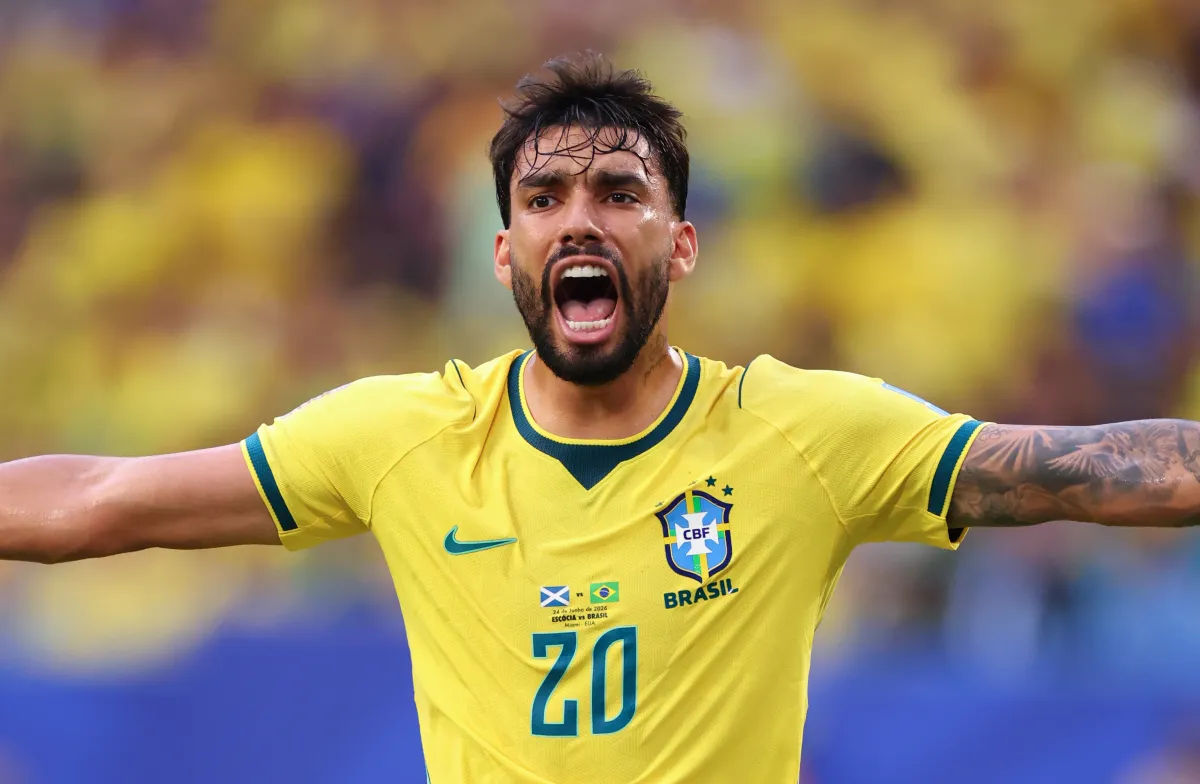
The most catastrophic blow of that grueling match against Japan came in the dying minutes of the first half, when midfield engine Lucas Paquetá collapsed to the turf clutching his leg. Having started every single match of the World Cup so far, Paquetá was the indispensable heartbeat of Brazil’s transition play, seamlessly connecting the defensive unit to the lethal attacking front. The collective holding of breath across a nation of two hundred million people on Monday night was met with grim confirmation by Tuesday morning, when ESPN Brasil reported the devastating results of his medical imaging. The scans revealed a grade 2 muscle injury in his left thigh, a diagnosis that immediately cast a dark shadow over his prospects of playing any further part in Brazil’s quest for supremacy. Though the national federation has announced an intensive, round-the-clock physical therapy protocol monitored by an elite medical team, the reality of a grade 2 tear means that a return to peak physical fitness in a matter of days is nearly impossible, leaving a gaping, emotional void at the center of the pitch.
With legendary medical insider Fabrizio Romano confirming that Paquetá is officially ruled out for the highly anticipated Round of 16 clash against Norway on Sunday, July 5, Ancelotti must now redesign his tactical blueprint on the fly. The setting for this critical encounter is MetLife Stadium, an arena poised to host a clash of contrasting footballing cultures under intense international scrutiny. Without Paquetá’s tireless work rate, defensive coverage, and creative vision, the Brazilian midfield loses the vital equilibrium that allowed their attacking stars to shine. Norway represents a formidable and physically punishing opponent, boasting disciplined tactical structures and world-class individual talent capable of ruthlessly exploiting any signs of disorganization or vulnerability. For Ancelotti, the preparation for this matchup is no longer just about studying video footage; it is an exercise in psychological restoration, requiring him to instill absolute belief in a squad that has lost two of its primary catalysts in the span of just two weeks.
Despite these compounding crises, it would be a foolish mistake to count the five-time world champions out, as the remaining core of the roster still boasts the DNA of champions and some of the finest players on the planet. Between the goalposts stands Alisson Becker, a goalkeeper whose serene presence and world-class shot-stopping ability provide an invaluable security blanket for the defense. Ahead of him lies an exceptional, battle-tested backline that possesses both the physical dominance and technical composure required to withstand sustained attacking pressure. Most importantly, the Seleção still wield the devastating, game-changing brilliance of Vinícius Júnior, a player who has evolved from a lightning-fast winger into one of the most decisive global superstars of his generation. Having developed a deep, almost paternal bond with Ancelotti during their highly successful years together at Real Madrid, Vinícius now finds himself thrust into the role of the undisputed spiritual leader, tasked with carrying the offensive burden and inspiring his teammates through sheer force of will on the pitch.
Ultimately, this sudden wave of adversity has set the stage for the exact kind of narrative arc that has defined Carlo Ancelotti’s legendary, trophy-laden career. Throughout his decades at the pinnacle of European football, “Don Carlo” has never been a dogmatic manager who forces players into rigid, unchanging systems; instead, he is a masterful pragmatist who excels at fostering harmony, adjusting to limitations, and finding solutions in the midst of chaos. The injuries to Raphinha and Paquetá are undeniable setbacks, but they also serve as a blank canvas for Ancelotti to showcase his famous tactical adaptability and man-management skills. If there is a manager capable of turning a fragmented, limping squad into a cohesive, highly motivated machine driven by collective sacrifice, it is the quiet Italian maestro with the famously expressive eyebrow. As the green-and-gold prepare to walk out under the bright lights of MetLife Stadium against Norway, the dream of the Hexa remains alive, resting not on a flawless script, but on the profound resilience of a united team and the calm guidance of a manager who has spent a lifetime winning when it matters most.