





In 1971, as a dark-complected Greek American medical student and Army physician at Walter Reed Army Medical Center, I was asked by a recovering Black Vietnam veteran, “What are you—Black, white or what?” Having grown up on the segregated Gulf Coast, where my family was once escorted out of restaurants under the suspicion of being mixed-race, the question was familiar. I responded simply: “What difference does it make? We are both soldiers, and I am your doctor. I am here to help you.” More than half a century later, as the United States approaches the 250th anniversary of the Declaration of Independence, that soldier’s question still echoes. In a fractured modern landscape, we find ourselves grappling with fundamental inquiries about our national character: Who are we? Who belongs? What do we owe to one another, and what collective purpose binds us together beyond personal ambition or political triumph?
Reflecting on these questions through my career as a psychiatrist, Army physician, and military commander, I have learned that national identity is not forged by slogans, but by shared responsibility. Having served almost thirty years, retiring as a brigadier general, I treated countless soldiers, veterans, and military families alongside Americans of every imaginable background. This journey taught me that we do not need a new common enemy to recover our national purpose; we need a common mission. To heal our deep divides, the United States should implement a universal system of national service. As psychoanalyst Erik Erikson observed, a coherent identity emerges through concrete commitments—to values, relationships, and communities. For a nation to thrive, its citizens must have a credible answer when they ask what membership in their country demands of them and why their shared project truly matters.
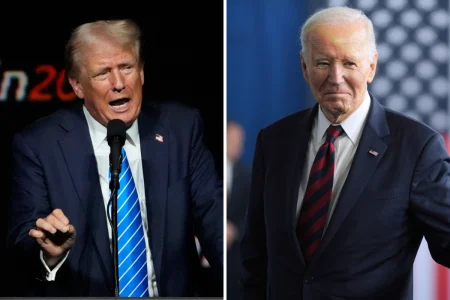
Our current generation, including political figures like Bill Clinton, George W. Bush, and Donald Trump—all born in the immediate post-war era—came of age during a period of massive national turmoil defined by the civil rights movement, the Vietnam War, political assassinations, and urban unrest. Yet, as their wildly contrasting presidencies demonstrate, a shared historical experience does not automatically produce a unified identity. National trauma can just as easily fracture a society, leaving conflicting memories and deep resentments. What matters is whether a society possesses institutions capable of translating lived experience into a common purpose. Today, unfortunately, Americans are surrounded by sorting institutions. We live in echo chambers of our own socioeconomic, educational, and political classes, with partisan media and social platforms constantly rewarding outrage and caricature.
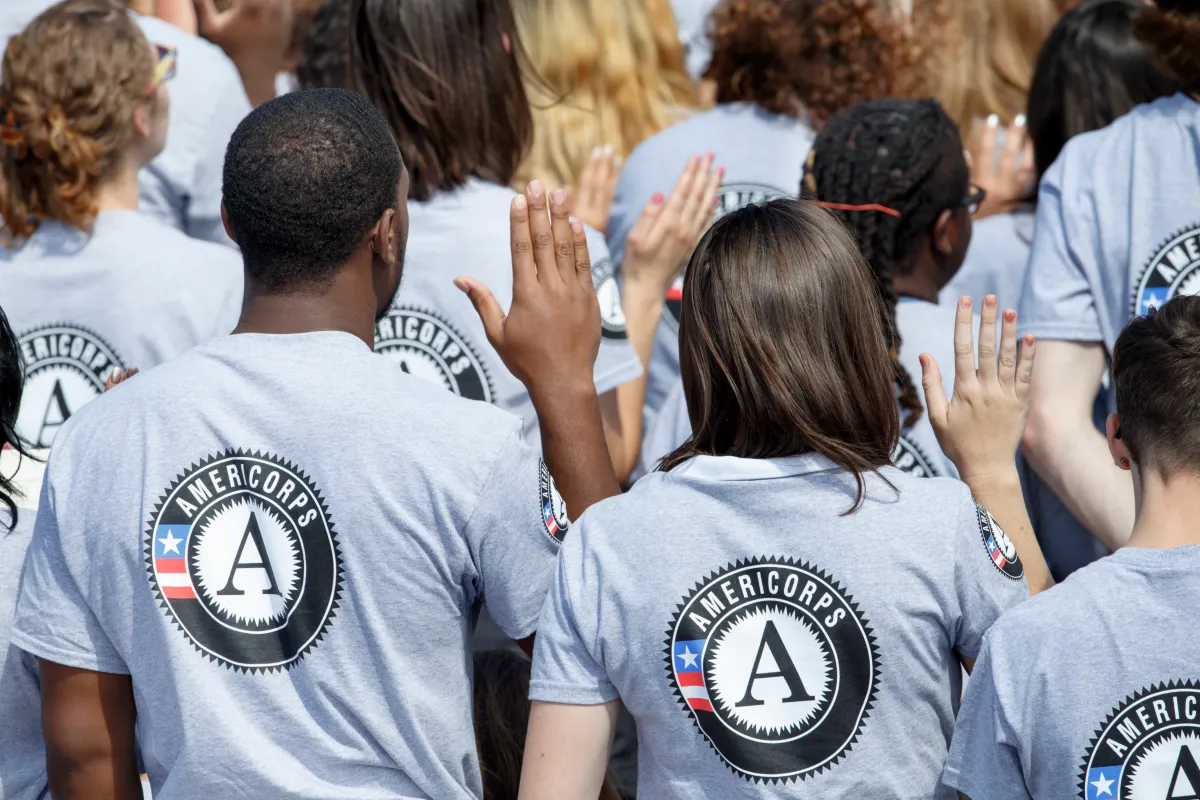
While the armed forces are not immune to America’s prejudices, military service historically accomplished something increasingly rare in civilian life: it placed Americans from radically different backgrounds into sustained contact, forcing them to depend on one another. In military medicine, our mission was clear, and success—sometimes survival—depended on mutual reliance. This powerful dynamic convinced me that we must create a civilian equivalent of this experience for a new generation. A system of universal national service should offer multiple pathways. While military service would remain an option, young adults could also choose to serve in public health, disaster response, environmental conservation, or community development. To ensure accessibility, the program would provide competitive pay, housing support, educational or vocational benefits, and accommodations for those with disabilities or caregiving obligations.
While critics may object to the government requesting months of a young person’s life, citizenship has never been about rights without obligations. We already accept compulsory duties like taxation and jury service. Existing voluntary service programs do wonderful work, but they tend to attract self-selecting groups of similar backgrounds. A universal program, however, would intentionally bring together young adults who would otherwise remain segregated by geography, race, income, and ideology. National service is not a magic cure for political extremism, inequality, or cultural disagreements. It will not make us agree on hotly debated issues. Its goal is far more practical: to establish a baseline of mutual respect by giving citizens who disagree the opportunity to work shoulder-to-shoulder on projects they could never accomplish alone.
At 250 years old, the United States remains a grand, ongoing experiment—a nation striving to unite people of diverse races, faiths, and convictions under a single political community. This project cannot survive on constitutional principles alone; it requires habits of daily cooperation and genuine bonds of affection. These bonds are not built in online echo chambers, but when we meet each other as real people, colleagues, and partners in a shared effort. We do not need to agree on everything to move forward. But to save our democracy, we urgently need something meaningful to do together.