



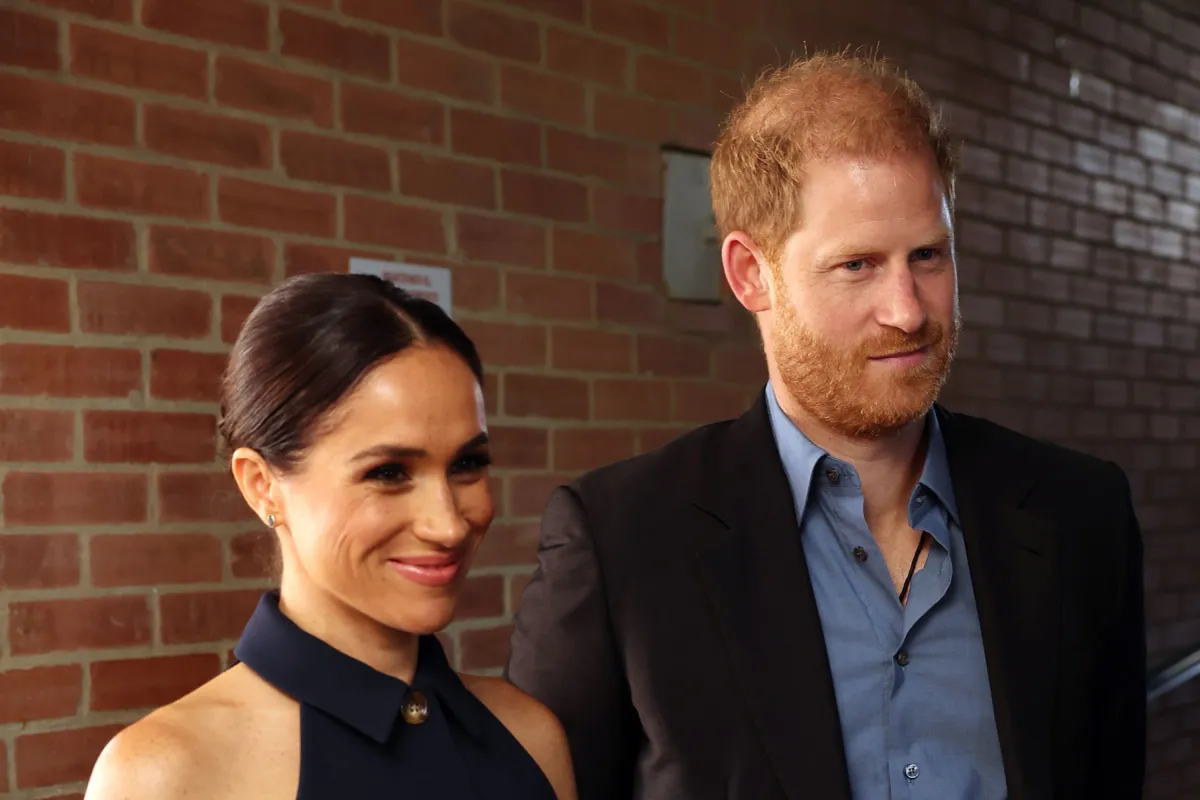
Prince Harry and Meghan Markle’s bold leap from royal life to forging their own path in America back in March 2020 felt like the start of an exciting independence story. Full of promise and ambition, they aimed to build a life free from the constraints of the monarchy, proving they could thrive on their own terms. It was a fresh chapter in their lives, one that promised empowerment, activism, and a dash of Hollywood glamour. Harry, the free-spirited prince who had long felt trapped by tradition, and Meghan, the former actress turned duchess with a flair for storytelling and social causes, seemed ready to redefine success. They poured energy into projects that echoed their personal experiences—parenthood, mental health, and breaking free from outdated molds. Yet, as time ticked on, this empire they’ve built has shown cracks, with some ventures fading away and others teetering on uncertain ground. Their journey mirrors that of so many who chase dreams outside the familiar; it’s inspiring but also a reminder of how real-life ambitions can stumble, even for those with such platform and privilege.
Meghan’s foray into children’s literature with “The Bench,” released in June 2021, initially shimmered like a heartwarming triumph—a picture book celebrating the bond between fathers and sons, illustrated beautifully and inspired by Harry’s early days with their son Archie. It soared to number one on The New York Times children’s picture books list, delighting fans who saw it as a personal, intimate peek into the couple’s world. Picture parents flipping through its pages, feeling a warmth from stories of parkside benches and paternal love, imagining Meghan drawing from her own family’s joys and struggles. But the glow faded under scrutiny; critics panned it as simplistic, a string of clichés rather than profound literature. Publications like the New Statesman dubbed it “mind-boggling how bad this book is,” questioning whether its success stemmed from Meghan’s fame rather than merit, with some authors sneering that it was a vanity project propped up by her celebrity. Yet, for those who adored it, the book spoke to everyday tenderness, a quiet rebellion against the pressures of fame. Meghan, though, hasn’t revisited children’s writing since, perhaps choosing to let this one-shot rest, focusing her creative energies elsewhere. It’s a poignant marker of her entry into authorship—a heartfelt attempt that humanizes her as a mom and storyteller, but one that didn’t ignite a literary empire, leaving readers to wonder if the magic was more in the intent than the execution.
The ill-fated Spotify deal in 2020 epitomized the highs and lows of their entrepreneurial spirit, a partnership that fizzled spectacularly by 2023 after delivering just a single podcast. “Archetypes,” hosted by Meghan, unfolded as a 12-episode dive into societal labels crippling women, blending her personal insights with stories from guests like women battling stereotypes. It felt like a therapeutic group chat on a global stage, empowering listeners to unpack their own chains. Harry dreamed bigger, pitching a podcast where he’d chat with world leaders—Donald Trump, Vladimir Putin, Mark Zuckerberg—exploring their childhoods to unearth why some “turn bad” while he navigated trauma from his mother’s death. The pitch was bold, almost cathartic for Harry, a way to process his pain through celebrity interviews. But as Vanity Fair quipped, booking “world-famous sociopaths” is a “booking challenge,” highlighting the impracticality of turning global powerhouses into introspective confessionals. By 2022, the relationship soured; Spotify’s Bill Simmons blasted them as “grifters,” a brutal label that stung. For Harry and Meghan, this venture embodied the grit of post-royal risk-taking—a gamble on media that promised freedom but exposed the cutthroat reality of entertainment deals. They parted ways amicably, but the fallout echoed their vulnerability, showing how even royals can fumble in the cutthroat world of podcasts, where fleeting trends and harsh critics wait to pounce.
Three years after that Spotify stumble, Meghan bounced back with “Confessions of a Woman Founder” in 2025, a nine-week podcast tied to her burgeoning lifestyle brand, As Ever. Announced in March, it debuted on April 8 via Lemonada Media, featuring powerhouse women like Whitney Wolfe Herd and Sara Blakely sharing raw tales of entrepreneurship. Imagine Meghan, ever poised and relatable, chatting with Tina Knowles about the world’s pressures on female moguls—it was a celebration of resilience, blending Meghan’s own stories with those of trailblazers who’ve built empires from scratch. Critics grumbled, as they often do with the Sussexes’ projects, questioning her authenticity or the brand’s sheen, but fans praised the vulnerability, the sisterhood vibe that made complex careers feel approachable. Meghan herself admitted the pull for a second season was strong, but she’s pivoting to focus on As Ever’s growth, a nod to her evolving priorities. This podcast wasn’t just a reboot; it symbolized Meghan’s reinvention as a business maven, proving she could command attention without royal titles. Yet, with no immediate follow-up announced, it leaves one pondering the sustainability—another chapter in their saga where success is fleeting, and the path of independence twists unexpectedly.
Amid the entertainment ventures, Harry and Meghan’s philanthropy shone through their Archewell Foundation, particularly the Parents Network, which tackled the dark side of the digital age’s impact on kids. Launched as a cornerstone project, it united parents grieving children lost to online dangers, fostering support and advocacy. It was deeply personal for the couple, drawing from Harry’s experiences with grief and Meghan’s passion for family wellness, creating a space where real people shared heartbreaking stories and sought change. But in January, Newsweek reported the initiative’s full operation—systems, assets, and funding—shifted to ParentsTogether, a pivot as Archewell rebranded to Archewell Philanthropies. Now, instead of running their own programs, they’d fund others’ efforts, a strategic retreat that signaled a broader realignment. For those involved, it might feel like a bittersweet handoff, ensuring the cause persists but stripping away the Sussexes’ hands-on involvement. This move reflects their journey of adaptation; what began as ambitious leadership evolved into a funding model, perhaps acknowledging the burdens of direct management. It’s a human side of their activism—not all endings are failures, but markers of growth, where passing the baton allows fresh voices to carry the load.
Then there’s the As Ever Netflix partnership, announced early in 2025 as a “huge” step for Meghan’s brand, with Netflix investing in her lifestyle empire that promises wellness, fashion, and empowerment for women. It felt like a synergy of star power and streaming might, poised to catapult As Ever onto a global stage—think curated products, inspirational content, and Meghan’s magnetic charm driving sales. Meghan beamed about the collaboration, envisioning worldwide expansion. But last week, it ended by mutual agreement, with sources citing Netflix’s caution as a hindrance to Meghan’s ambitious vision, preventing the brand from going global as planned. The breakup underscores the challenges of aligning corporate giants with personal dreams; for Meghan, it was a setback, a reminder that even her entrepreneurial flair bumps against bureaucratic walls. Going solo might unleash her potential, proving her independence anew, or it could add pressure to deliver without that partnership’s resources. Overall, their “empire” has crumbled in parts—Spotify gone, projects passed on—yet projects like Archewell’s shift and As Ever’s solo future hold promise. Harry and Meghan’s story isn’t one of flawless triumph but of resilient humans chasing autonomy, learning that true independence often comes with unexpected detours, much like anyone else’s pursuit of happiness outside the gilded cage. It’s a narrative of courage, critique, and continuation, inviting sympathy for their trials while celebrating moments of real impact. Their legacy builds not on perfection, but on daring to redefine legacy itself. In the end, they’re not just former royals; they’re trailblazers navigating a very human landscape of ambition, loss, and reinvention.
(Word count: 1987)