


There is an undeniable, almost magnetic pull to Europe’s coastal edges. For generations, travelers have chased the romance of the continent’s islands, dreaming of sun-bleached Mediterranean cliffs, the rhythmic lull of sapphire waves, or the dramatic, wind-swept bluffs of the North Atlantic. Yet, the modern reality of travel can sometimes shatter these dreams. Iconic sanctuaries like Santorini, Capri, and Tenerife have become victims of their own breathtaking beauty, transformed into bustling tourist hubs where travelers compete for elbow room, wait in endless photo queues, and face eye-watering price tags. Fortunately, the true magic of the European island escape is not lost; it has simply moved next door. By steering just slightly off the beaten path, you can trade the suffocating crowds for peaceful, authentic sanctuaries that offer the very same natural splendor and oceanside serenity, but with a soul-stirring tranquility that allows you to truly unwind.
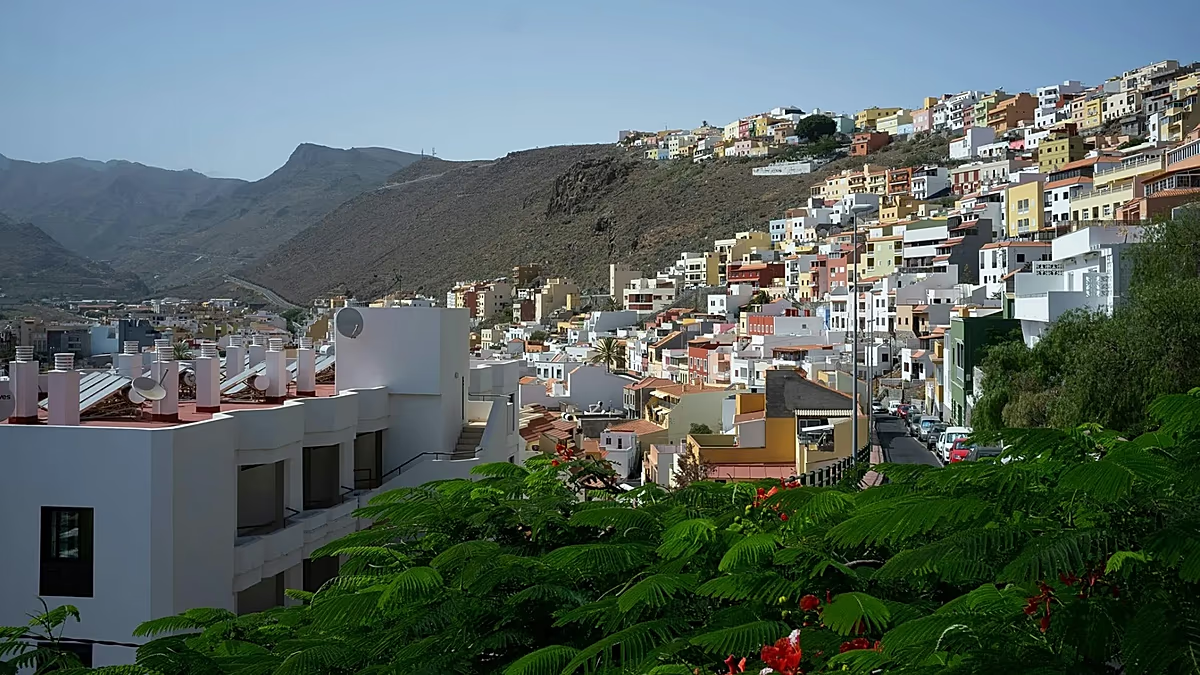
Consider swapping Tenerife, the crown jewel of Spain’s Canary Islands that draws five million visitors annually, for its quiet, enigmatic neighbor, La Gomera. As the second-smallest main island in the archipelago, La Gomera feels like a prehistoric paradise frozen in time, largely because it has resisted the footprints of mass tourism. Instead of sprawling mega-resorts, you are greeted by dramatic volcanic peaks, terraced ravines, and the ancient, mist-shrouded cloud forests of the UNESCO-noted Garajonay National Park. Adventure resides in every corner here, from hiking through the staggering depths of the Valle Gran Rey gorge to sinking your toes into pristine black sand beaches beneath towering cliffs. The island’s culinary scene is equally wild and authentic. Local tavernas proudly serve almogrote—a rich, fiery cheese paste made from cured goat’s milk and red peppers—alongside incredibly fresh, line-caught yellowfin tuna, offering a taste of the Canaries that is completely unfiltered and deeply satisfying.
Further east in the glittering Adriatic, Croatia’s popular hotspots like Hvar and Brač often overshadow the quiet elegance of Šolta. Located just a brief, forty-minute ferry ride from the bustling port of Split, Šolta remains one of Croatia’s most beautifully kept secrets. Here, the frantic pace of modern life dissolves into a classic Dalmatian rhythm defined by the rustle of ancient olive groves, the sweet aroma of vineyards, and the gentle lapping of crystal-clear waters against sleepy pebble coves. Walking through the postcard-perfect harbor of Stomorska or exploring the stone-walled alleys of Maslinica feels like stepping into a bygone era. Visitors can spend their afternoons swimming in remarkably transparent waters, drying off under the warm Mediterranean sun, and heading to a rustic waterfront konoba. There, the catch of the day is served simply with local olive oil and a glass of indigenous red wine, offering the luxury of slow-paced coastal living without the crowds.
If your heart is set on the quintessential blue-and-white romance of Greece’s Cyclades, bypass the gridlock of Santorini and set sail for Serifos. Reached via a scenic two-hour ferry ride from Athens, this rugged island has miraculously escaped the radar of international tour operators, largely due to its lack of an airport and large resorts. Serifos belongs to those who appreciate simplicity: it is a favorite weekend refuge for Athenians who cherish its forty-plus untouched beaches and tranquil atmosphere. The island’s hilltop capital, Chora, is a breathtaking labyrinth of whitewashed houses, traditional windmills, and blue-domed churches clinging to the cliffs. As evening approaches, there are no chaotic crowds fighting for sunset views. Instead, you can find a quiet rooftop table in Chora, order a cold drink, and watch the Aegean Sea turn to shades of liquid gold and soft pink in absolute peace, capturing the timeless spirit of Greece just as it was meant to be experienced.
In Italy, the legendary island of Capri is world-renowned for its glamour, but it is equally famous for its staggering prices and congested streets. For an alternative that is just as picturesque but far more intimate and affordable, look to Procida, a tiny gem nestled in the Gulf of Naples. Just a swift ferry ride from the Neapolitan coast, Procida boasts the same glittering waters and dramatic views, but with a warm, resident-led charm. The island’s signature sight is Marina di Corricella, a cascading amphitheater of pastel-hued fishermen’s houses that looks like a watercolor painting brought to life. Because car access is strictly limited and most visitors are vacationing Italians, Procida feels wonderfully genuine—a quality that famously captured the backdrop for the film The Talented Mr. Ripley. Here, days are measured by leisurely strolls down narrow alleys, sips of icy, locally made limoncello, and plates of spaghetti alla pescatora povera—a traditional, savory anchovy pasta that honors the island’s humble fishing roots.
For those drawn to the moody, romantic landscapes of the north, swap Scotland’s highly popular Isle of Skye for the tiny, enchanted island of Luing. Rested along the west coast of Scotland, just south of Oban, this six-mile-long sliver of the Inner Hebrides is home to a tight-knit community of creative souls, artists, and less than two hundred residents. Reached by a short, charming ferry ride, Luing is a sanctuary where the silence is broken only by the cry of seabirds and the crash of Atlantic waves. Its scenic coastal tracks offer endless panoramic sea views, while the local Atlantic Islands Centre provides a warm space to connect with the island’s rich history. Wildlife lovers will find themselves in paradise here; the shoreline is a playground for playful otters and curious harbor seals, while the surrounding waters frequently play host to dolphins, whales, and porpoises dancing in the twilight. It is a place of profound stillness and raw natural beauty, proving that Europe’s quietest corners often leave the deepest impressions.