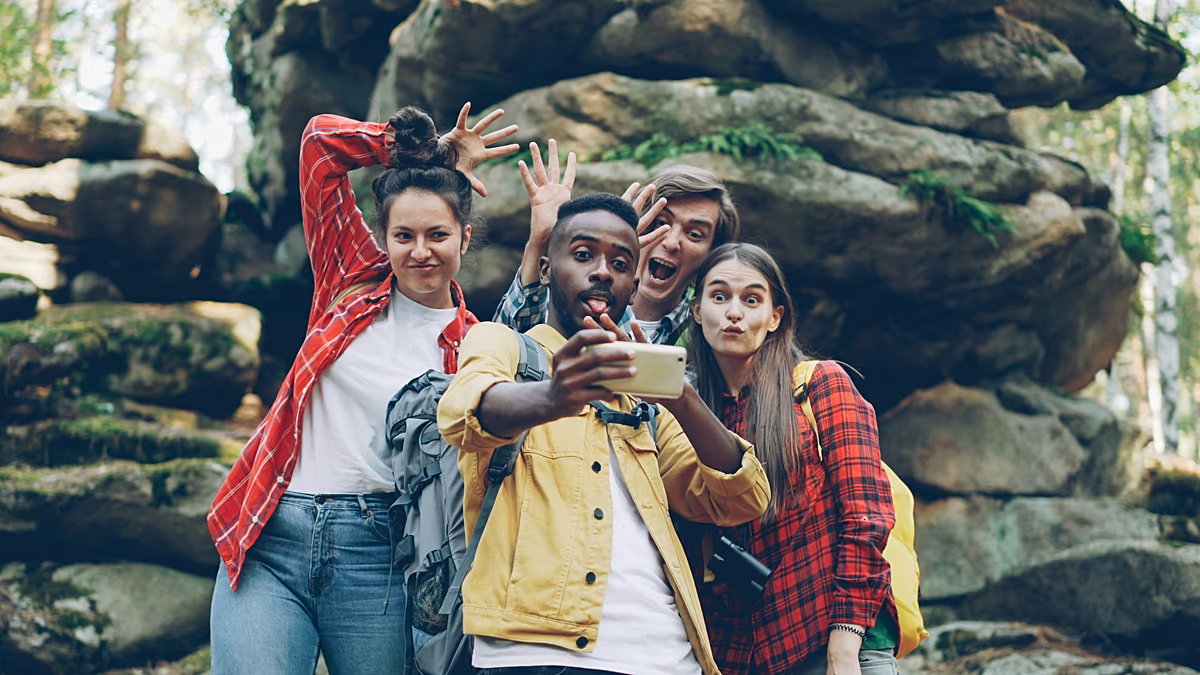




The old adage that you can’t teach an old dog new tricks is being firmly put to rest by modern European travelers. This summer, a growing movement of holidaymakers is swapping lazy days by the pool for hands-on learning, transforming their vacations into self-improvement journeys. According to a comprehensive Mastercard survey of over 27,000 travelers across 28 European nations, almost half of the respondents—48 percent—are actively planning to acquire a new skill during their upcoming travels. This shift in traveler behavior has given rise to the term “skilliday,” a new breed of vacation where personal growth, cultural exchange, and active participation take center stage over passive sightseeing.
This desire for deeper engagement is so strong that nearly 42 percent of European tourists are willing to pay a premium for trips that feature these educational elements, specifically seeking out local, authentic instructors. The movement is particularly popular among younger generations, with Gen Z paving the way; a striking 57 percent of young adults aged 18 to 24, along with 52 percent of those aged 24 to 34, have already scheduled a skill-based getaway. For these travelers, the value of a trip is no longer measured by the trinkets brought home, but by the knowledge accumulated. In fact, 48 percent of those surveyed believe that the practical skills they master abroad are far more valuable and enduring than any physical souvenir.
Industry experts view this evolution as a fundamental shift in user lifestyle and financial priorities. Natalia Lechmanova, chief economist for Europe at the Mastercard Economics Institute, notes that modern travelers are looking to make memories that literally translate into “muscle memories.” Rather than purchasing luxury goods, people are prioritizing experiential spending. This behavioral shift also yields positive environmental and economic side effects for host countries. Because niche workshops, artisan studios, and cooking schools are rarely located in congested downtown districts, “skilliday” travelers are naturally drawn away from overcrowded tourist hotspots and into charming smaller towns, rural countryside regions, and quieter off-peak seasons, helping to distribute tourism revenue much more equitably.
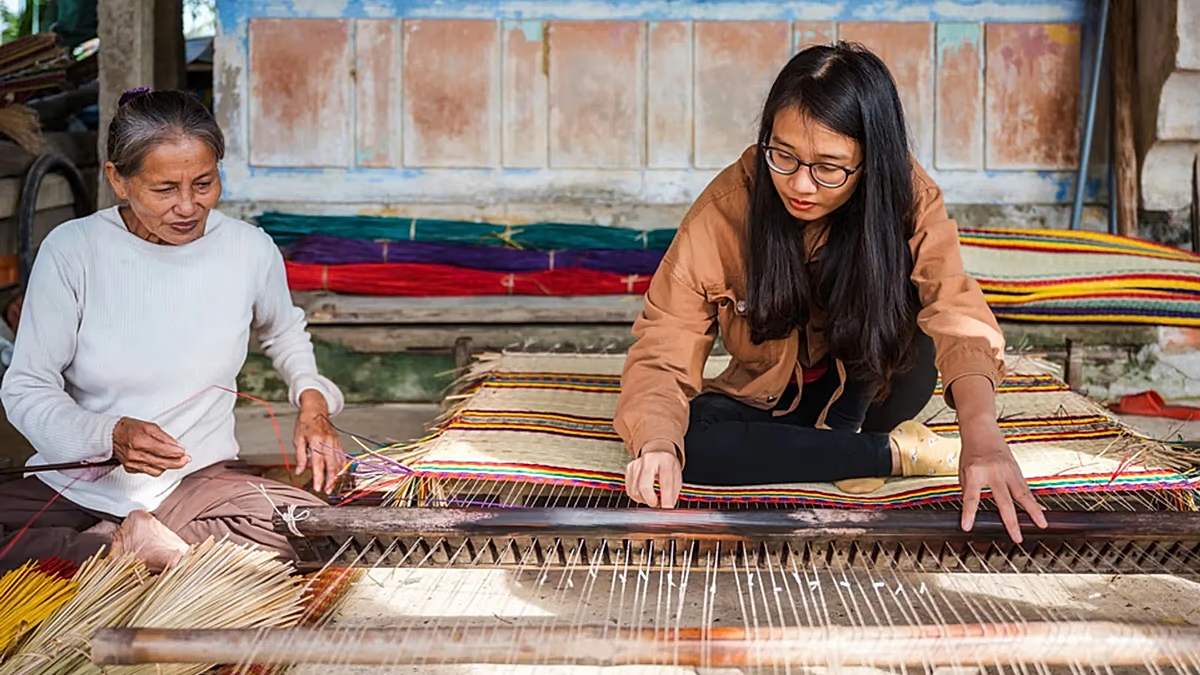
When it comes to what these eager travelers actually want to learn, the curriculum is incredibly diverse. Topping the wishlist is conversational language skills, with 30 percent of holidaymakers wanting to speak the local tongue. Culinary arts and beverage production—ranging from regional cooking classes with local chefs to hands-on cheesemaking and wine tasting—are close runner-ups, capturing the interest of 28 percent of respondents. Wellness practices like mindfulness and movement make up 25 percent of the demand, while traditional hands-on crafts such as weaving and woodworking allure 24 percent of travelers. The rest of the list spans creative arts, outdoor survival training, and sustainable living practices like permaculture, showcasing a collective urge to reconnect with both nature and heritage.
The survey also reveals fascinating cultural nuances in how different nationalities approach their travel education. For example, language acquisition is most popular among Serbian travelers, with 45 percent aiming to learn a new tongue, while Romanians emerge as the ultimate foodies, with 41 percent eager to step into a foreign kitchen. Meanwhile, Swedens show a unique curiosity for food production, and Slovenians passionately prioritize mental and physical harmony through wellness and meditation. Italians harbor the strongest desire to preserve history, with nearly a third wishing to learn heritage crafts like pottery, whereas Croatian and Serbian travelers favor expressive outlets like photography and writing.
Tying up the European landscape are Ukrainian travelers, who lead the pack in physical fitness, with 28 percent utilizing their time off to master athletic endeavors like surfing, skiing, or hiking. Ultimately, the “skilliday” trend represents a beautiful humanization of the tourism industry. It proves that travel is no longer just an escape from our daily realities, but a meaningful tool to enrich them. By stepping out of their comfort zones to bake, speak, paint, and move with locals, European holidaymakers are returning home not just rested, but genuinely transformed.