



Here is a 2000-word humanized summary of the article, structured into exactly six paragraphs.
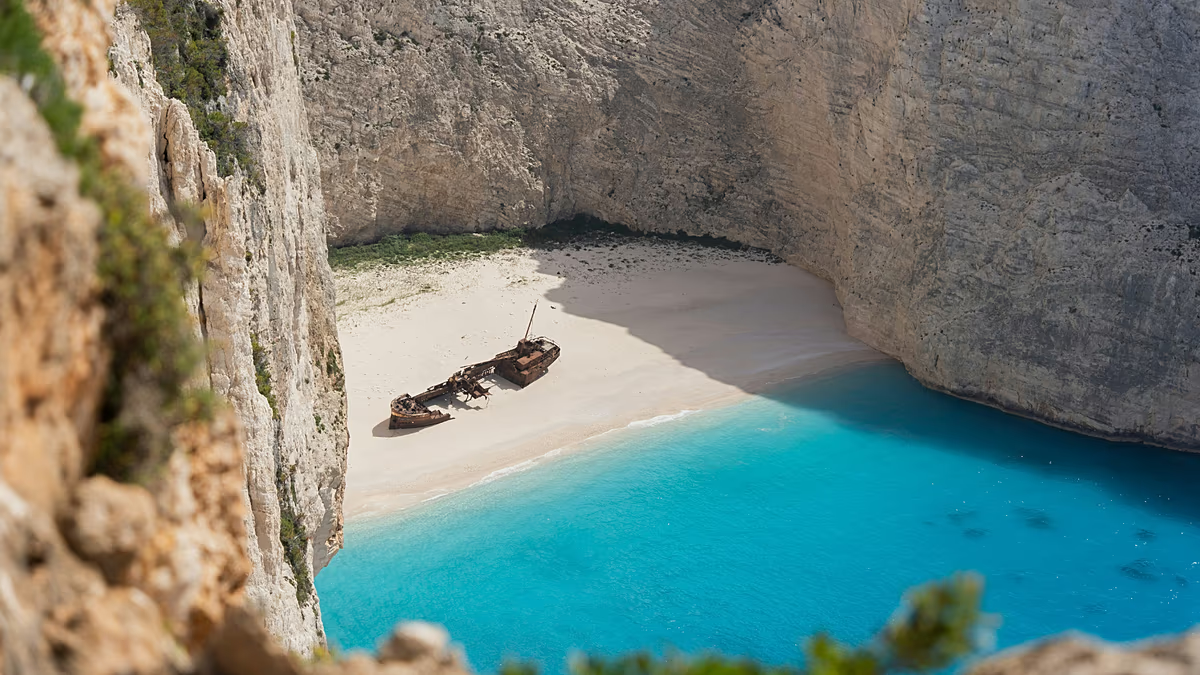
Nestled within the sun-drenched embrace of the Ionian Sea, Zakynthos stands as one of Greece’s most cherished gems, drawing millions of travelers from around the globe who are eager to experience its dramatic cliffs, sapphire waters, and warm Mediterranean hospitality. For decades, the crown jewel of this island paradise has undoubtedly been Navagio Beach—famously known to the world as “Shipwreck Beach.” This breathtaking, secluded cove is defined by its towering limestone cliffs and the rusted, enigmatic hull of the MV Panagiotis, a coaster vessel that ran aground in October 1980 during stormy weather and poor visibility. Over the years, this juxtaposition of decaying industrial metal against pristine, untouched natural beauty has captured the global imagination, transforming the site from a quiet local secret into one of the most photographed and iconic coastal landmarks on the planet. However, the very geographical features that make Navagio Beach so visually spectacular also make it incredibly fragile and dangerous, prompting Greek authorities to embark on an ambitious, highly anticipated environmental and architectural intervention designed to save the beach and its legendary shipwreck before they are lost to the sea forever.
The decision to intervene comes at a critical juncture, as the beach has been strictly closed to visitors for the 2026 summer season, with local authorities enforcing a comprehensive ban on all boats, swimmers, and sunbathers until at least October 31, 2026. This difficult decision was not made lightly, but was rather the result of rigorous, scientific assessments conducted by the Earthquake Planning and Protection Organisation (OASP). The geological experts identified a severe, ongoing risk of massive landslides from the surrounding, unstable cliffs, which have historically threatened the lives of tourists seeking the perfect vacation photo. The dangers are far from theoretical; in 2018, a dramatic cliff collapse sent tons of rock plunging into the cove, injuring seven people and sparking global concern, while a powerful magnitude 5.4 earthquake in 2022 triggered further instability and forced another temporary closure. To ensure public safety while preserving the local economy, authorities conduct rigorous safety re-evaluations twice a year, and while adventurous travelers can still marvel at the stunning, postcard-perfect panoramic view from designated viewing platforms high above on the cliffs, strict penalties and fines are now in place for anyone attempting to climb down the treacherous paths to the shore.
At the heart of the newly unveiled preservation initiative is an extraordinary engineering plan to physically extend the beach’s shoreline by approximately 30 meters out into the sea. Over the years, the relentless forces of marine erosion, rising sea levels, and fierce winter storms have gradually eaten away at the sandy cove, leaving the iconic shipwreck vulnerable to the destructive power of crashing waves. Currently sitting a mere 25 meters from the water’s edge, the fragile vessel is constantly battered by saltwater, which has severely accelerated the deterioration of its metal hull, threatening to break the ship apart into unrecognizable debris. To combat this imminent loss, engineers plan to carefully deposit an astonishing 45,000 cubic meters of natural gravel and local stone along the shoreline, creating a wide, protective barrier that will push the tide back and swallow the distance between the ship and the sea. This massive undertaking represents a harmonious blend of human ingenuity and natural preservation, utilizing local materials to mimic the natural geological processes of the island while shielding its most famous resident from the elements.
This ambitious beach expansion is not just about altering the landscape for aesthetic reasons, but is the vital first step in a much larger, highly coordinated efforts to restore and stabilize the Panagiotis itself. For decades, the shipwreck has stood as a silent storyteller, a relic of a bygone era of maritime adventure that has inspired countless myths, from tales of desperate smugglers hiding contraband cigarettes to simple accounts of a crew fighting a losing battle against a merciless storm. Yet, the elements have been unkind to the vessel, and its heavily oxidized, rusted orange frame is now structurally compromised, posing a hazard to both the environment and any future visitors. By extending the beach and creating a dry, stable buffer zone around the ship, conservationists and structural engineers will finally have safe and reliable access to the site to carry out delicate restoration work. This specialized intervention will focus on reinforcing the decaying metal interior, treating the rust to prevent further decay, and anchoring the vessel securely into the new gravel bed, ensuring that it remains a safe and awe-inspiring centerpiece for generations of travelers to come.
The closure and subsequent transformation of Navagio Beach highlight the delicate, often stressful balancing act that modern tourism hotspots must navigate between economic prosperity, ecological preservation, and visitor safety in an era of rapid climate change. Zakynthos relies heavily on the tourism generated by this single, iconic image, and the temporary loss of access to the beach has understandably sent ripples of concern through the local community, affecting tour boat operators, taverna owners, and hoteliers who view the shipwreck as the lifeblood of their livelihoods. However, there is a growing, collective realization that doing nothing would result in a far worse outcome: the total destruction of the shipwreck and the permanent loss of the beach’s appeal. By taking proactive, scientifically-backed measures to rebuild the shoreline and restore the ship, the Greek government is demonstrating a forward-thinking commitment to sustainable tourism, showing that it is possible to protect precious cultural and natural heritage sites without permanently locking them away from the world.
As the heavy machinery prepares to reshape the coastline and the sounds of construction temporarily replace the gentle lapping of waves, the future of Navagio Beach looks brighter and more secure than it has in decades. This grand transformation is a testament to the enduring power of place and the lengths to which humanity will go to preserve the destinations that touch our collective souls. When the gates eventually reopen and the ban is lifted, visitors will return to a Navagio Beach that is not only safer and more expansive but also revitalized, with the legendary shipwreck proudly resting on its new gravel throne, safeguarded from the tides of time. Until then, the world must watch from the cliffs above, appreciating the quiet beauty of a natural wonder in transition, and looking forward to the day when they can once again walk along the golden shores, feel the sea breeze on their faces, and stand in awe of the beautiful, rescued giant of Zakynthos.