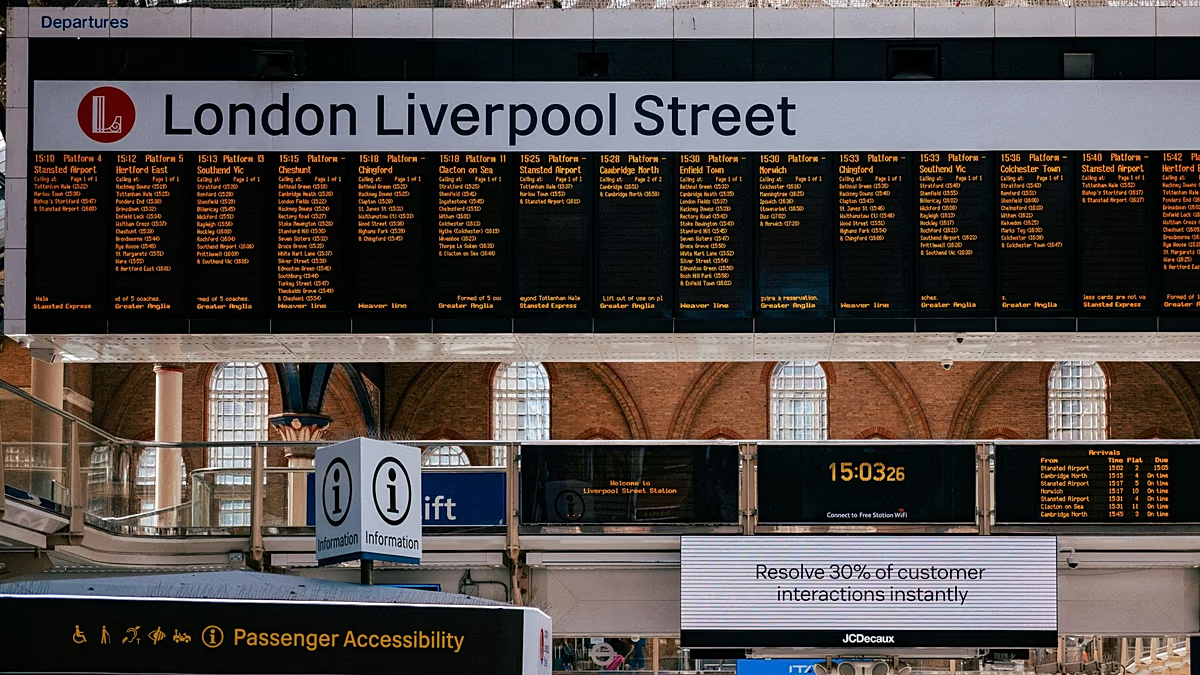








This summer, our social media feeds are flooded with scenic coastal views and sunset snapshots, but behind the scenes of these beautiful vacations lies a highly volatile travel landscape. The recent geopolitical escalations in the Middle East, specifically the US-Israel military engagements involving Iran, have sent shockwaves far beyond international borders, directly impacting our holiday plans. For anyone trying to catch a flight, whether to a relaxing Mediterranean beach, a busy Asian metropolises, or an African safari, these conflicts have translated into immediate, tangible challenges. Because airlines must now bypass restricted airspace over the Gulf region, flights are taking much longer, consuming vastly more jet fuel, and driving up operating costs. Naturally, these soaring fuel surcharges are being passed down to the consumer, making summer travel feel like an expensive luxury just when people need a break the most. However, rising oil prices and political tension do not mean you have to abandon your travel dreams; instead, they demand a smarter, more calculated approach to finding flights. By learning to navigate these unexpected headwinds with the right strategies, you can still find budget-friendly travel options, turning what could have been a stressed, overpriced booking process into a highly successful and affordable adventure.
To successfully beat the rising costs of air travel this season, you must first master the art of looking beyond traditional flagship carriers and embracing budget airlines. When fuel prices spike, large legacy airlines often raise their base fares dramatically, whereas budget operators like Ryanair, easyJet, Vueling, Norwegian, Wizz Air, and Jet2 are built to keep baseline prices as low as possible. Finding these deals, however, requires a willingness to abandon rigid vacation schedules and embrace complete flexibility with your calendar. If you can shift your departure or return dates by just twenty-four to forty-eight hours, you will often find drastic price differences. Many travelers fall into the trap of booking weekend-to-weekend trips out of habit, but flight comparison platforms like Skyscanner have shown that Friday can actually be one of the cheapest days to fly if you search strategically. By utilizing the “whole month” search function rather than searching for specific dates, you can visualize the entire month’s pricing trends in a single view, allowing you to instantly pinpoint the exact days when ticket prices drop and book your tickets during those cheaper windows.
If you are feeling adventurous and want to save as much money as possible, you can let go of a specific destination entirely and let your budget guide your wanderlust. One of the most effective and exciting ways to travel on a budget is by using Skyscanner’s “Everywhere” search feature, which rearranges your travel planning by showing you the cheapest destinations across the globe for your chosen dates. Instead of spending hours trying to force a high-priced ticket to a trendy hotspot, you can browse a list of beautiful, budget-friendly destinations you might have never considered otherwise. Additionally, you can find significant savings by looking at alternative airports rather than flying in and out of major hubs. Large metropolitan airports charge high landing fees, which airlines pass down to passengers, while secondary airports just an hour or two away are often much cheaper to fly into. Making the conscious choice to fly into a smaller, regional airport not only lightens the financial burden on your wallet but also offers a quieter, less chaotic arrival experience, often giving you a head start on exploring a charming, lesser-known part of your destination.
Another classic mistake that many well-meaning holidaymakers make is assuming that booking a standard round-trip ticket with a single airline is always the cheapest option. In the older days of travel, this might have been true, but today’s pricing structures mean that booking two separate, one-way tickets with different airlines can often save you a substantial amount of money. For instance, you might fly out to your destination on a budget carrier like easyJet because they have a cheap morning flight, but return home on a Ryanair flight that offers a lower fare for an evening departure. Mixing and matching your airlines in this way gives you full control over both your schedule and your budget, ensuring you are never forced to pay a premium simply for the convenience of sticking with one carrier. Furthermore, if your summer plans involve a more complex journey with multiple stops, you should always take advantage of multi-city search tools to book all your flights in one single transaction. This strategy locks in your entire itinerary at once, shielding you from price jumps between bookings and giving you peace of mind as you plan your trip.
Even with the best tools at your disposal, the physical and mental stress of checking flight prices every day can quickly take the joy out of planning a vacation, which is where automated pricing technology comes in handy. Instead of constantly refreshing browser tabs and worrying about whether prices will jump overnight, you can set up price alerts that do the hard work for you. By setting up these alerts for your desired routes, you will receive an instant notification on your phone or in your email inbox the moment a fare drops or rises, allowing you to make your move with confidence. In a travel market that is constantly changing due to international events, these alerts act as your personal, around-the-clock travel agent, ensuring you never miss a sudden price drop. This passive approach to flight shopping keeps you informed without the daily anxiety, allowing you to wait patiently for the perfect financial window to open before you pull the trigger and purchase your tickets.
Ultimately, the final step in securing a stress-free and cheap last-minute holiday lies in how you pack, specifically by embracing the freedom of traveling with hand luggage only. Checking in large suitcases has become one of the most expensive add-ons for modern airlines, particularly budget carriers that rely on these extra fees to turn a profit. By packing light and relying solely on a carry-on bag, you can bypass those high luggage fees, avoid long check-in lines at the airport, and eliminate the risk of the airline losing your bags. However, to pull this off successfully, you must be extremely diligent about reading the exact baggage dimensions for the specific airlines you are flying with. Budget carriers are notoriously strict about carry-on limits, and getting caught at the boarding gate with a bag that does not fit their sizer can result in heavy on-the-spot fees that quickly wipe out all your savings. With a bit of careful planning, packing smart, and using these savvy booking strategies, you can rise above the challenges of high fuel prices and logistical hurdles, proving that even in a complicated world, the joy of summer travel is still very much within reach.