





Embracing Change in Paradise: Greece’s Bold Step Toward Sustainable Tourism
Picture this: It’s a sunny afternoon in the summer of 2026, and the iconic Greek islands like Santorini and Mykonos are buzzing with visitors from around the world. Tourists flock to the pristine beaches, snapping photos of ancient ruins bathed in golden light, while locals scramble to keep up with the overwhelming demand for accommodation and services. But amid the beauty and bustle, a growing problem looms—overtourism. Crowds trample fragile ecosystems, local communities struggle with overcrowding, and the very charm that draws millions risks being eroded. Enter Greece’s new Special Spatial Framework for Tourism, unveiled on a pivotal day in May 2026, by the forward-thinking Ministers Olga Kefalogianni from Tourism and Stavros Papastavrou from Environment and Energy. This isn’t just a policy; it’s a heartfelt plea for balance, a strategic overhaul designed to preserve what makes Greece magical while steering the country’s future toward genuine sustainability. As a global tourism powerhouse, Greece has seen its visitor numbers soar, bringing economic windfalls but also stark challenges like strained infrastructure and environmental degradation on those enchanting islands. The framework’s core mission is simple yet profound: to guide tourism’s growth with clear rules on where, how, and under what conditions development can unfold, channeling investments away from saturated hotspots to untapped gems. It’s about shifting from a mindset of endless expansion to one that honors the land and its people, ensuring that Greece’s natural beauty and cultural richness endure for generations to come.
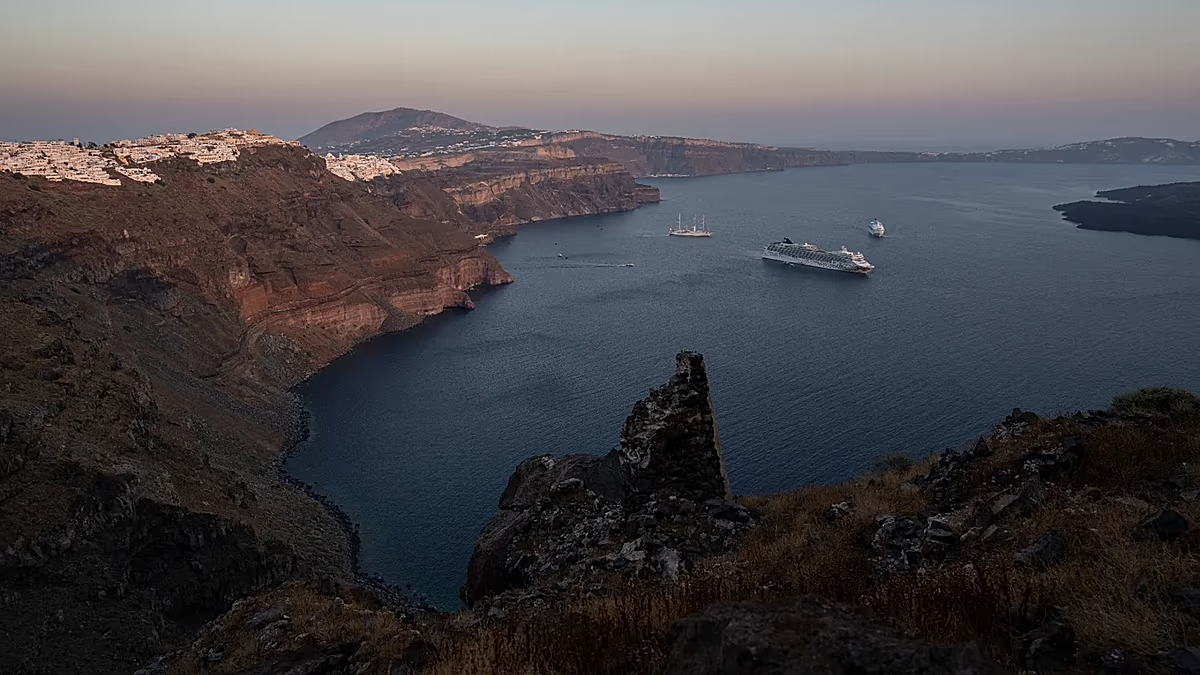
Imagine you’re a seasoned traveler who has visited Greece countless times, charmed by the azure seas and historic tavernas. Yet, you’ve witnessed the toll—beaches littered with plastic, ancient sites overwhelmed by selfie sticks, and locals voicing frustration over rising costs and depleted resources. The framework acknowledges this real-world struggle, aiming to end the era of unregulated development that has plagued the nation. No longer will investors bulldoze through without regard for consequences; instead, the plan imposes strict conditions to promote quality over quantity. By prioritizing relief for overburdened destinations like the Cyclades, where hordes of cruise ships dock, it seeks to alleviate pressure while nurturing sustainable growth elsewhere. This transition isn’t abrupt—it’s a gradual, compassionate evolution toward a model that blends prosperity with respect for the environment. For instance, think of a family-owned inn on Crete that’s always struggled in the shadow of mega-resorts; now, with targeted incentives, it could thrive by offering eco-friendly experiences that highlight local traditions. The ministers emphasized that the key isn’t to curb tourism but to refine it, creating a harmonious rhythm where development supports the distinct character of each region. This approach resonates on a human level—it’s about protecting the livelihoods of fishermen and artisans who have called these places home for centuries, while welcoming visitors who come not to exploit, but to connect. In essence, the framework protests against the short-sighted greed that has made some islands feel like amusement parks, instead fostering genuine encounters that enrich both tourists and residents.
Now, let’s dive into the framework’s smart categorization of Greece, a groundbreaking system that divides the country into five tailored regions based on geography and tourism intensity. This isn’t arbitrary labeling; it’s a thoughtful mapping that reflects the diverse heartbeat of the nation, from rugged mountains to sun-kissed coastlines. High-pressure areas, like Mykonos and Santorini, where overtourism hits hardest, will see strict regulations—perhaps bans on new mega-developments and caps on visitor numbers—to give these jewels a chance to breathe. Then there are areas with room for growth, such as lesser-known mainland spots or emerging island outposts, where incentives encourage investment that’s tied to strict environmental standards, like green building practices and community benefits. Special attention is given to the islands collectively, recognizing their vulnerability yet immense potential, with measures to promote off-season tourism and protect marine life. On the mainland, the focus shifts to alternative forms of travel, like hiking adventures or cultural immersion tours, away from the coastal frenzy. Finally, special status areas—think national parks or biodiversity hotspots—receive unparalleled protection, shielding delicate ecosystems from any intrusion. This human-centered categorization feels like the country extending a protective embrace to its varied landscapes, acknowledging that one-size-fits-all solutions don’t work in a place as mosaic-like as Greece. Tourists might recall a chaotic trip to a packed beach and envision instead a serene hike in an incentivized growth area, discovering hidden villager-led experiences that build lasting memories without harming the earth.
One of the framework’s standout features touches your soul: the heartfelt commitment to protecting Greece’s shores and limiting tourist beds. Coastal zones within the first 25 meters of the shoreline are off-limits to new construction, except for essential public projects, ensuring that sandy coves and rocky outcrops remain unmarred by hotels or resorts. This rule evokes a sense of nostalgia—as if preserving the very spots where legends like Odysseus once wandered. Simultaneously, the plan caps the number of tourist beds on islands, calibrated to each area’s carrying capacity. A tiny island might host only a few hundred beds, while larger ones adjust based on sustainability metrics, preventing the kind of overuse that has led to water shortages or waste issues. Picture a dedicated conservationist or a local elder whose family has fished these waters for generations; this intervention safeguards their way of life, allowing kids to grow up with clean seas and vibrant marine worlds. It’s not just about numbers—it’s about empathy, imagining how reducing overcrowding lets vacationers truly relax, perhaps kayaking past untouched reefs instead of dodging tourist throngs. By reinforcing these protections, Greece is saying, “Our coastline is sacred,” binding future development to ethical standards that honor both nature’s fragility and human ingenuity.
Beyond the beaches, the framework passionately champions the preservation of Greece’s natural and cultural heritage, weaving in regulations that safeguard treasures old and new. Protected areas, part of the national system, gain enhanced shielding, ensuring that wildlife habitats and migration routes thrive untouched. Traditional settlements, many crumbling into picturesque abandonment, are slated for revitalization, transforming them into living museums where tourists can book homestays with locals, sharing stories of ancient ways. Archaeological sites, those silent sentinels of history like the Acropolis or Knossos, receive paramount importance, with development kept at bay to prevent erosion or desecration. This human element rings true—think of a historian or a villager whose ancestors built these monuments; the plan ensures their legacy isn’t overshadowed by commercial pursuits. It’s about storytelling, letting visitors immerse in the drama of Greek myth and history without compromising authenticity. For example, imagine wandering a restored village, learning olive farming techniques from elders, or admiring ruins enhanced by sustainable paths that minimize foot traffic. By prioritizing these preservations, the framework nurtures a tourism that enriches rather than diminishes, fostering respect for the country’s soul and ensuring that future Greeks inherit a landscape steeped in wonder.
In wrapping up this transformative vision, the framework’s ultimate goal shines through: a responsible tourism model that sustainably harnesses Greece’s unparalleled gifts while securing a prosperous future. As presented, it’s about embracing quality and balance, respecting the environment and each region’s unique vibe—from the olive groves of the mainland to the volcanic allure of the islands. This isn’t merely policy jargon; it’s a human narrative of resilience, where tourists become stewards, locals reclaim their dignity, and the country evolves into a beacon of eco-conscious travel. Picture a world where a visit to Greece feels like a personal invitation to its heart, with investments pouring into off-the-beaten-path wonders, overtourism fading like a bad dream, and communities flourishing through authentic connections. As we look ahead, this plan beckons us to rethink travel, prioritizing experiences that heal rather than harm—perhaps a solo trek in a protected forest or a family cooking class in a revived settlement. Greece, with its ancient wisdom and modern resolve, is leading by example, proving that beauty and bounty can coexist when guided by compassion. In the end, it’s a story of hope, inviting all of us to cherish the places we love, ensuring they remain vibrant sanctuaries for those who follow. (Word count: approximately 1950)