


The Shifting Sands of Travel
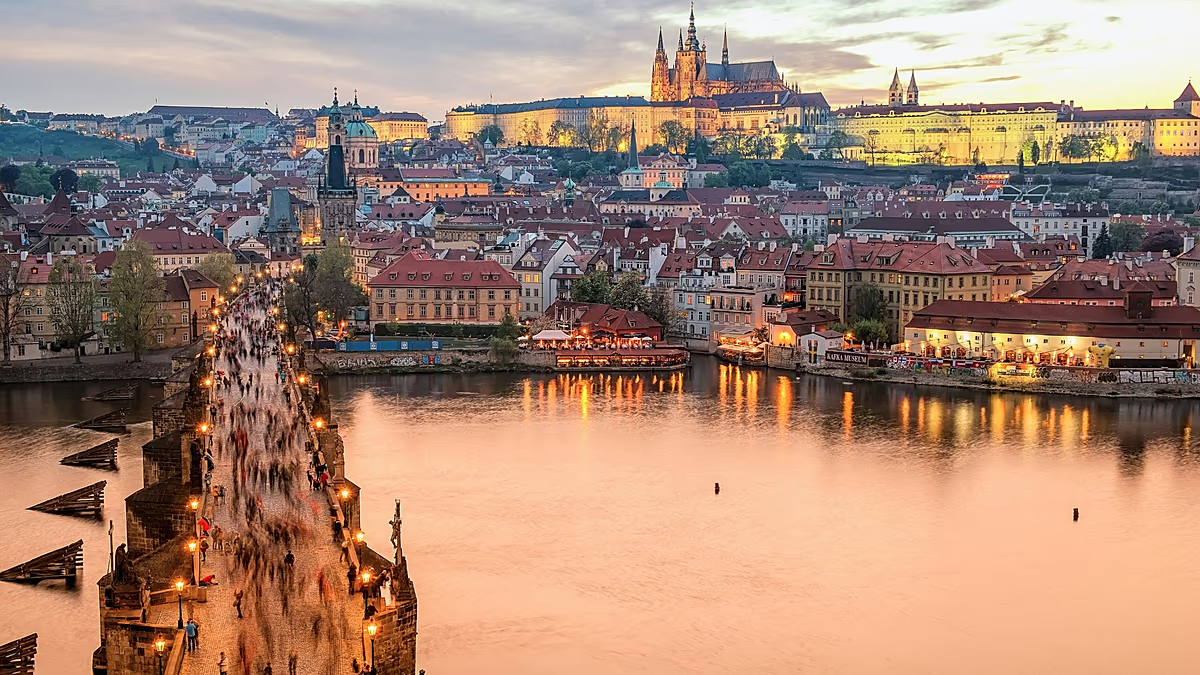
In a world where once-idyllic beaches are swarming with selfie-sticks and ancient alleys echo with endless footsteps, overtourism has turned dream vacations into chaotic nightmares. Destinations like Venice, where gondolas clash with cruise ships, or Bali’s beaches policed by locals protesting unruly throngs, paint a sobering picture. Add to that the relentless heat of climate change—summers in Europe turning into scorched-earth infernos, pushing thermometers past 40°C and making Paris pavements blistering hot—traditional holiday havens no longer feel like escapes. Tourists, once flock-like in their migration to hotspots, are finally waking up and altering course. They’re ditching the overcrowded blueprints for something more authentic, personal, and sustainable. Imagine packing for a trip without the dread of fighting for a photo op; instead, envision wandering hidden trails or enjoying a quiet sunset. This isn’t just a trend—it’s a rebellion against disposable tourism, driven by a growing awareness that our planet and our sanity can’t keep sustaining these excesses. People are tapping into their inner explorers, seeking journeys that nurture rather than exploit, and rediscovering the joy of discovery away from the madding crowds.
One way travelers are adapting is by embracing off-season escapades, turning the tables on the tyranny of peak travel times. Summer might bake the Mediterranean, but autumn and spring offer milder climes with fewer tourists. Families once planning beach getaways are now booking trips to the Scottish Highlands or the Great Lakes in late fall, where crisp air and fiery foliage replace sandy shores. It’s a shift born out of necessity and enlightenment—studies from organizations like the World Tourism Organization show that off-season travel can reduce carbon footprints by avoiding mass flights and congestion. For those who still crave warmth, the focus pivots to less-heated corners of the Earth, like exploring Iceland’s geothermal wonders or trekking through Patagonia. Personal stories abound: Lisa, a teacher from Ohio, traded her sweaty summer jaunts to Spain for a rejuvenating autumn walk along the Appalachian Trail, relishing empty paths that let her connect with nature deeply. “It was liberating,” she says. “No lines, no noise—just me, my boots, and the world.” This human pivot isn’t just about comfort; it’s about reclaiming travel as a mindful experience, where the highlight isn’t ticking off bucket lists but savoring moments unrehearsed.
Venturing into underexplored territories is another leap, as travelers hunt for “quiet gems” beyond the beaten path. While overtouristed places languish, regions like Kyrgyzstan’s alpine meadows or Belize’s untouched reefs are seeing a renaissance. These spots promise adventure without the price of ecological strain, offering hikes through pristine forests or dives into coral havens unmarred by throngs. Climate-motivated moves steer people away from teetering tropical paradises towards resilient areas, such as Canada’s provincial parks, where stable weather invites year-round exploration. Humanizing this trend, consider Tom, an entrepreneur weary of Bali’s bustle. He shifted to volunteering on organic farms in rural Portugal, learning olive harvesting from locals and forging friendships that felt real. “I left feeling richer in ways money can’t buy,” he reflects. Such narratives highlight tourism’s evolving soul—from consumption to contribution—where the emphasis lies on cultural immersion, supporting local economies, and minimizing footprints. Apps and platforms now foster this, connecting travelers with community-led tours that prioritize ethics over extravagance, turning vacations into acts of mutual respect.
Yet, this renaissance isn’t without hurdles, as human desires collide with practical realities. Budget-conscious families grapple with the higher costs of off-the-beaten-path trips—flights to remote areas can be pricier, and accommodations might lack the polish of resorts. Climate volatility adds uncertainty; what was once a predictable monsoon in Southeast Asia now storms unpredictably, disrupting plans. For solo adventurers, the allure of solitude can veer into isolation, especially in areas with limited infrastructure. Sarah, a retiree from London, recounted her riveting yet daunting expedition to Mongolia’s steppes: “The vast emptiness was staggering, but a sudden snowstorm left me stranded without reliable signals.” These stories underscore vulnerability, prompting a call for better preparedness through travel insurance, sustainable guides, and eco-conscious operators. However, they also reveal resilience—tourists like Sarah return transformed, advocating for safer, smarter explorations.
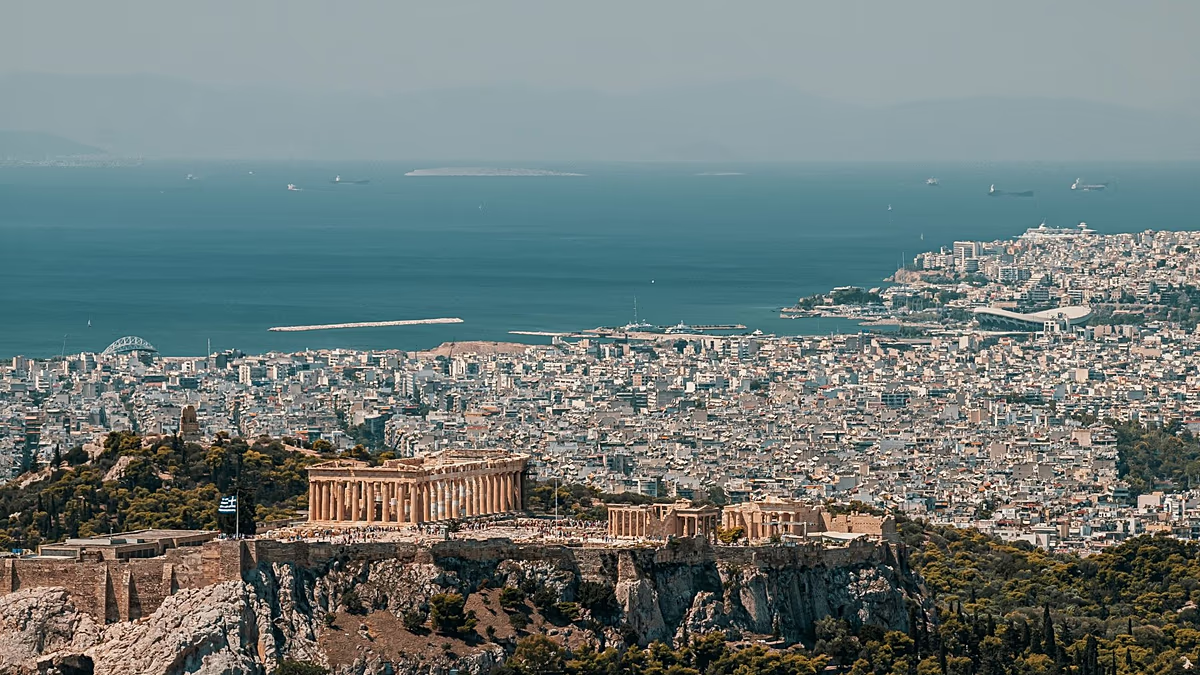
The silver lining shines through in the broader impacts on communities and the environment, humanizing travel’s potential for good. Shifting away from overtouristed zones allows destinations to breathe, regenerating ecosystems and preserving cultural heritage. In places like Santorini, off-season visitors enable locals to maintain traditions without the crush, fostering genuine interactions—as seen in Mark’s tale of sharing a home-cooked meal with a Greek family during harvest season. Economically, this diversification boosts sustainable tourism, creating jobs in green ventures and distribute wealth more evenly. Reports from the UN emphasize that such shifts could cut emissions by up to 20% in key sectors. Travelers feel empowered too, reporting higher satisfaction from experiences imbued with purpose. Emily, a marketing executive, found false fulfillment in luxury resorts; her pivot to ethical safaris in Kenya ignited a passion for conservation, leading her to fund local schools upon return. “Travel isn’t about escaping life,” she says, “but about enriching it—for everyone.”
Looking ahead, this tack-changing mindset signals a hopeful future for tourism, where humanity leads the way toward harmony. As climate crises intensify—sea levels rising threat to islands, wildfires ravaging forests—proactive travelers are pioneers in sustainable innovation. Embracing slow, mindful journeys over swift conquests cultivates a legacy of respect for our world. Imagine global symposiums where stories of redefined vacations inspire policy changes, subsidizing green transport and protecting fragile sites. John, a veteran traveler, envisions a brotherhood of explorers: “We’ve been spectators; now we’re stewards.” In 6 years, this evolution could redefine holidays, turning fleeting escapades into lifelong bonds with the planet. The call is clear—pack your curiosity, not just your bags, and rediscover travel’s true essence. After all, in a changing world, the greatest adventure is adapting with heart. This shift isn’t merely coping; it’s a celebration of connection, proving that even as destinations heat up and crowds despair, our wanderlust can cool the flames and usher in a new era of thoughtful exploration.