





For generations, the standard formula for a European vacation was simple: dash from one major capital to another, viewing the hours spent on highways or trains as wasted travel time—a necessary tax paid to get to the next destination. However, a refreshing shift in travel culture is turning these tedious transit days into some of the most memorable parts of the journey. Instead of rushing past the scenic countryside with eyes glued to screens, more holidaymakers are choosing slow-travel solutions that prioritize the space between the main attractions. By utilizing private city-to-city car transfers, travelers are breaking up long commutes with spontaneous detours, transforming what once was a boring chore into an exciting, curated safari of lesser-known European treasures.
According to summer booking data from Daytrip, a platform specializing in customizable intercity transfers, the demand for “sightseeing on the go” has skyrocketed, particularly among North American tourists eager to squeeze every drop of adventure out of their European holidays. Rather than being confined to rigid train schedules or crowded airport terminals, travelers are opting for road trips that allow them to stretch their legs in medieval villages, sample regional delicacies in quiet towns, and photograph iconic landmarks that are usually overshadowed by sprawling metropolises. This rising trend marks a cultural pivot toward mindful exploration, where the primary goal is no longer just ticking famous capitals off a checklist, but appreciating the rich historical and geographical tapestry that connects them.
To illustrate this growing appetite for experiential travel, the platform recently unveiled its ranking of the top ten European sightseeing stops being integrated into travelers’ itineraries this summer. Leading the charge is the ancient, ash-preserved city of Pompeii in Italy, followed closely by the romantic, walled Portuguese town of Óbidos, and the fairytale-like Bohemian streets of Český Krumlov in Czechia. Other highly sought-after transit gems include the historic arches of Mostar in Bosnia and Herzegovina, the vibrant Portuguese cultural hubs of Coimbra and Aveiro, the emerald waters of Plitvice Lakes National Park in Croatia, the ancient defensive walls of Ston, the enigmatic monoliths of Stonehenge in England, and the charming, underrated capital of Bratislava in Slovakia.
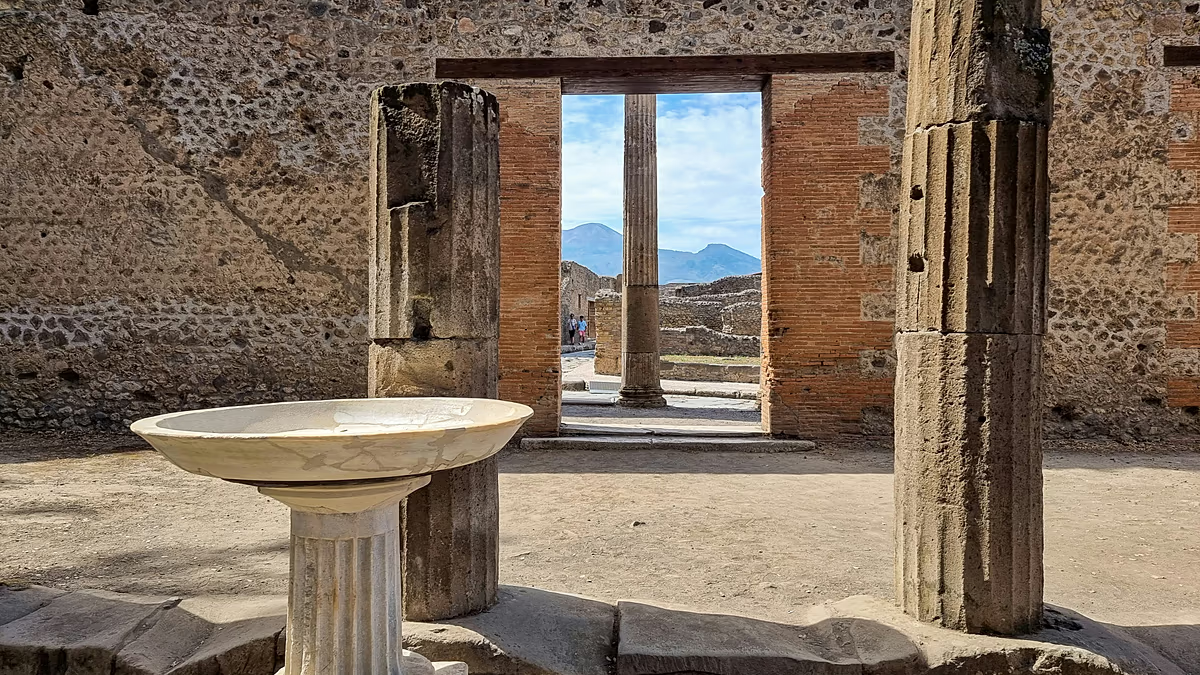
Reaching the summit of this year’s list is Pompeii, the legendary Roman city frozen in time by the catastrophic eruption of Mount Vesuvius in 79 AD. Located a scenic, under-an-hour drive from bustling coastal hubs like Naples, Sorrento, and Ravello, Pompeii represents the quintessential roadside stop. By weaving a stopover here into their transfer, travelers can seamlessly bridge the gap between their coastal retreats and regional transit hubs, effectively turning a simple taxi ride into an immersive, private archeological expedition without the logistical headache of dragging heavy luggage through crowded ruins.
While the appeal of walking down Pompeii’s ancient basalt streets is undeniable, embarking on a mid-trip excursion during the peak of Europe’s sweltering summer requires some practical foresight. Travel experts suggest that while a focused three-to-four-hour stop is generally sufficient to take in Pompeii’s most striking archaeological highlights, arriving early in the morning is crucial to beating both the midday Mediterranean sun and the wave of tour buses. Visitors are highly encouraged to pack plenty of water, wear durable walking shoes to navigate the uneven Roman roads, and heavily apply sunscreen, as the expansive thermal baths, forums, and villas offer very little natural shade.
For travelers who aren’t under a tight schedule, these transit stops can easily be expanded into larger adventures. For example, a visit to Pompeii can be paired with an invigorating hike up the rugged paths of Mount Vesuvius itself, allowing travelers to peer into the active crater and enjoy breathtaking, panoramic vistas of the Bay of Naples before continuing on to their final hotel. By choosing to explore the continent through these fluid, personalized road journeys, today’s travelers are proving that our holidays shouldn’t just be about the final destinations on our tickets, but about the beautiful, unexpected stories we gather along the open road.