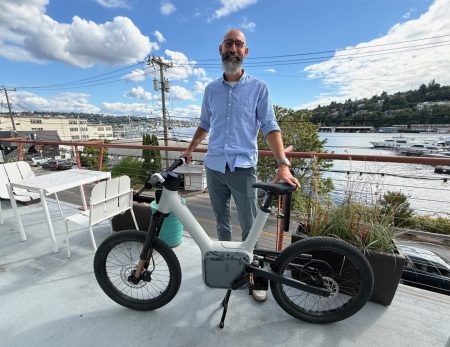






For Andrew Redd, the journey to the cutting edge of clean energy was not a straight path, but rather a descent from the heights of the cosmos to the crushing, unexplored depths of our own oceans. Having spent years pushing the boundaries of aerospace engineering at SpaceX, Redd found himself drawn back to his roots in the Pacific Northwest by a challenge that felt even more urgent than reaching Mars: rescuing the planet we currently call home. In 2024, he founded Endurance Energy, a Seattle-based startup aimed at unlocking a virtually limitless, untapped reservoir of clean power locked deep beneath the ocean floor. Operating from the north shore of Seattle’s Lake Union, where historic maritime culture meets modern software development, Redd has built a company that combines the romanticism of marine exploration with the rigorous, fast-paced execution of modern aerospace engineering. Here, where the team can look out over the water and load massive seafloor drills directly onto outward-bound vessels, the dream of subsea geothermal energy is transitioning from a wild science-fiction concept into an imminent industrial reality.
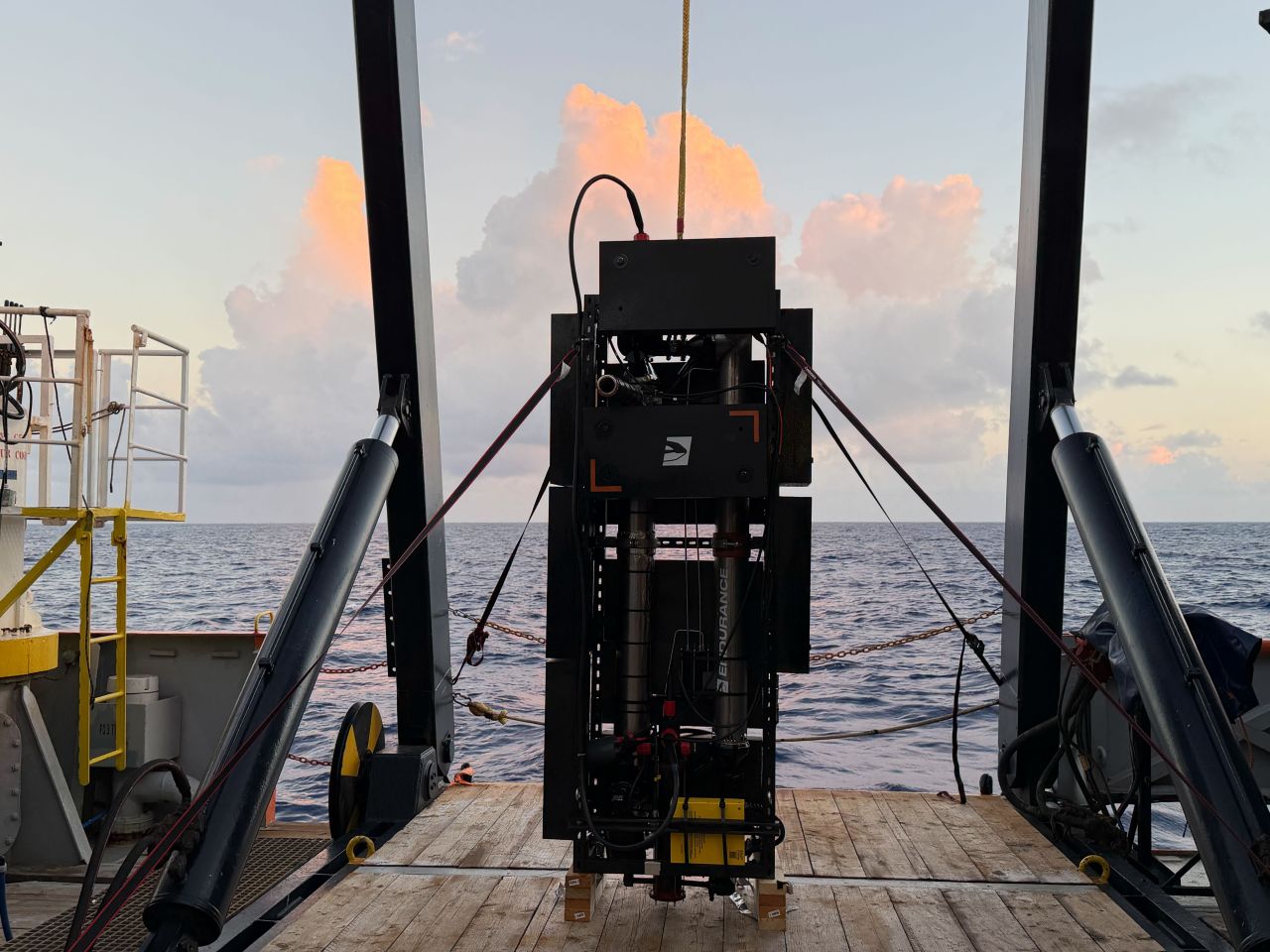
At its core, Endurance is targeting the ultimate thermodynamic engine of the Earth: the intense, volcanic heat systems that lie beneath the seabed. While traditional geothermal energy relies on drilling deep wells into terrestrial rock reservoirs to tap into underground steam and hot water, Endurance is taking this concept to the ocean floor, where tectonic plates pull apart and magma chambers sit remarkably close to the Earth’s crust. The startup has already completed four daring prototype deployments to deep-sea volcanoes situated nearly a thousand feet beneath the ocean surface, specifically targeting hydrothermal systems where water is heated to a staggering 728 degrees Fahrenheit. In these hostile, ultra-high-pressure environments, seawater penetrates the ocean crust, becomes superheated by the magma below, and rises back up, loaded with thermal energy. By deploying specialized robotic drilling and power-generation platforms directly onto these undersea volcanic ridges, Endurance plans to capture this superheated fluid, utilize its immense kinetic and thermal energy to spin high-efficiency turbines, and then safely reinject the cooled water back into the geological system, creating a closed-loop, highly sustainable power cycle.
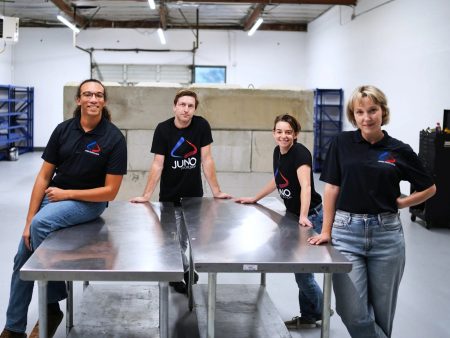
Achieving such a monumental technological feat requires a workplace culture that is fundamentally different from traditional utility companies, which is where Endurance’s “SpaceX heritage” becomes its greatest secret weapon. Out of the startup’s tight-knit team of 25 employees, nearly half—12 individuals, including Redd himself—are alumni of Elon Musk’s aerospace giant, bringing with them a philosophy of rapid hardware iteration, a high tolerance for calculated risk, and an aversion to bureaucratic stagnation. Rather than spending a decade in the theoretical design phase, the Endurance team builds, tests, breaks, and refines their hardware at a relentless pace, a strategy that has allowed them to progress from a brand-new startup to a sea-tested technology company in just over a year. The culmination of this aggressive development cycle is scheduled for this coming fall, when the team will deploy “Adelie,” a 100-kilowatt, fully integrated system to the Juan de Fuca ridge off the coast of Washington and Oregon. Named after the famously resilient Antarctic penguin, Adelie is not just a sensor package; it is a complete, self-contained robotic workstation capable of drilling into the rocky seafloor, generating electricity from the thermal output, and managing the complex systems required to transmit that energy back to where it is needed.
The ultimate goal for Endurance is not just to produce localized power for oceanographic research, but to scale their operations to a gigawatt level, a threshold that would fundamentally alter the global energy landscape. To put this ambition into perspective, Washington State’s legendary Grand Coulee Dam, the largest power station of any kind in the United States, possesses a generating capacity of 6.8 gigawatts. If Endurance can successfully tap into the Juan de Fuca ridge and other underwater volcanic ranges at scale, they could unlock clean, carbon-free electricity that rivals the output of our largest hydroelectric and nuclear facilities. This is particularly vital because the world is currently facing an unprecedented surge in electricity demand, driven by the rapid expansion of artificial intelligence data centers, the electrification of transport, and industrial manufacturing. While wind and solar power have made incredible strides, they are inherently intermittent, relying on the cooperation of the weather; geothermal energy, by contrast, offers “baseload” power, running consistently twenty-four hours a day, 365 days a year, completely independent of whether the sun is shining or the wind is blowing.
This massive commercial and environmental potential has caught the attention of some of the world’s most prominent venture capitalists, culminating in a highly successful $54 million Series A funding round for Endurance. Led by Founders Fund, a firm renowned for backing paradigm-shifting hardware startups like SpaceX and Palantir, the round featured contributions from a syndicate of forward-looking investors, including Felicis, Voyager Ventures, Riot Ventures, and Construct Capital, alongside early-stage backers like Point72 Ventures, First Round Capital, and Ascend. This capital injection reflects a broader, highly lucrative renaissance within the geothermal sector, which has long been the overlooked sibling of solar and wind but is now seeing astronomical valuations as investors look for scalable clean-energy solutions. Industry leaders like Fervo Energy, backed by tech giants like Google, have raised over $1.5 billion to advance advanced terrestrial geothermal methods, while others like Sage Geosystems have pulled in nearly $100 million. By securing this massive war chest, Endurance has captured the runway necessary to fund their expensive marine logistics, purchase specialized alloys capable of surviving highly corrosive, ultra-hot deep-sea environments, and accelerate their timeline toward commercial grid integration.
Ultimately, the story of Endurance Energy is a deeply human narrative about putting world-class talent to work on our planet’s most critical challenge, transforming the mysterious and dark abyssal plains of our oceans into the power plants of tomorrow. For Andrew Redd, returning to Seattle to build this company has been a profound homecoming, allowing him to combine his deep love for the natural beauty of the Pacific Northwest with the relentless engineering drive he cultivated in the aerospace industry. The company’s bold plan is to begin delivering clean, ocean-generated electricity to the terrestrial power grid within the next two years, a timeline that would have been laughed at by traditional energy developers but feels entirely achievable under the guidance of this handpicked team of rocket scientists. As the Adelie generator prepares to make its journey to the basalt valleys of the Juan de Fuca ridge this fall, it represents more than just a triumph of engineering; it is a beacon of hope, showing that by looking deep into our own planet with the same courage and curiosity we use to gaze at the stars, we can find the keys to a clean, abundant, and sustainable future.