



Every time you ask a chatbot for help, stream a show, or jump on a video call, you’re relying on a data center somewhere in the world. These buildings are the invisible engines of modern digital life, but they are becoming impossible to ignore. Data centers need enormous amounts of electricity to run, huge quantities of water to stay cool, and constant supplies of hardware and building materials to keep up with demand. As artificial intelligence grows more powerful and more common, the environmental cost of all that convenience has started to feel urgent. In a recent survey from the AP-NORC Center for Public Affairs Research and the Energy Policy Institute at the University of Chicago, 53% of Americans said they were extremely or very concerned about the environmental impacts of AI, up from 41% just a year earlier. Even more striking, 80% of adults said they worry about data centers affecting their electric bills, causing power outages, or straining water supplies. These are not abstract worries. They’re showing up in local meetings, in utility rate fights, and in election campaigns. That rising anxiety is exactly why the University of Washington is stepping in. Through its innovation arm, UW CoMotion Labs, the university is launching a startup incubator dedicated to climate tech for data centers, in partnership with Microsoft and E8, a Pacific Northwest investment network. The goal is to help entrepreneurs develop real-world solutions that can make the digital world more sustainable without asking people to give up the technologies they’ve come to rely on. It’s a recognition that the AI boom and the climate crisis are no longer separate conversations. They are one and the same, and the time to act is now.
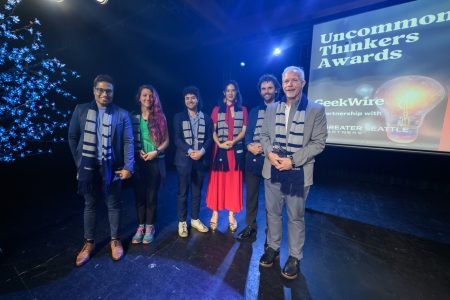
CoMotion Labs has been building climate-focused startup programs for a little while now. It has already run two climate tech incubator cohorts, and the most recent one wrapped up on a Tuesday with a public Demo Day in Seattle. But this new effort is different. It marks the first time CoMotion has focused on a specific industry within the climate space, and that industry is data centers. The program is built around the challenges that data centers actually face, and it’s looking for startups working on backup energy storage, improvements to the electric grid, more efficient cooling systems, ways to reduce electronic waste, and low-carbon building materials. These are the practical, unglamorous problems that determine whether a data center can operate without blacking out a neighborhood, without draining a local reservoir, or without leaving behind a mountain of discarded servers. Karin Kidder, executive director of E8, called the initiative “really important” and said it also helps elevate the Pacific Northwest, which is already a hub for cloud computing and climate innovation. “There’s so much good work happening here,” she said. The region has long been home to tech giants and their massive server farms, especially in areas like Central Washington, where land is cheap and electricity is abundant. Now it’s becoming home to the startups trying to fix the problems those server farms create. That combination of existing infrastructure and fresh ideas makes the Northwest a natural place for this kind of work, and CoMotion’s new program is designed to take advantage of that momentum.
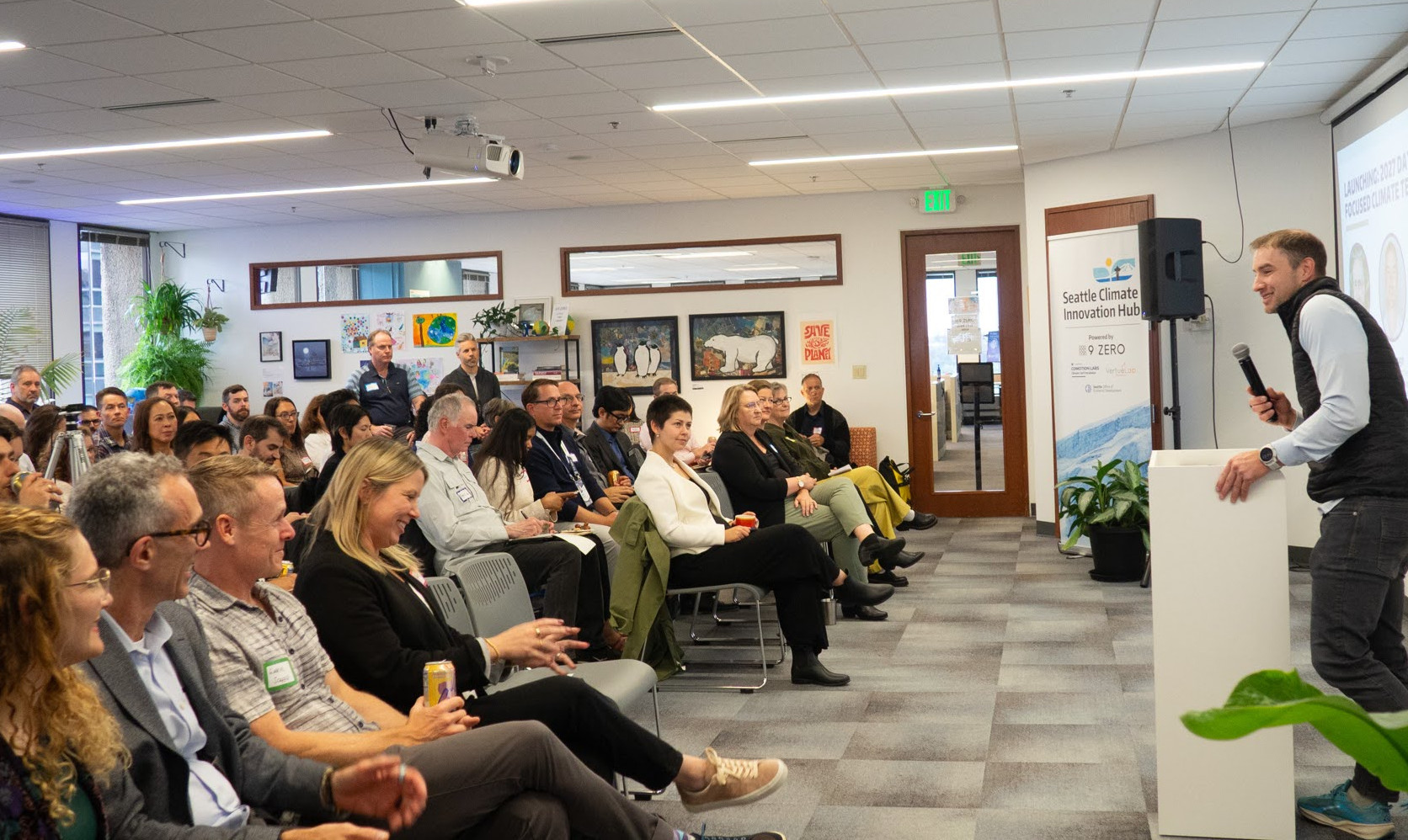
The incubator isn’t looking for pie-in-the-sky ideas. It’s seeking early-stage startups with technologies that are ready to commercialize, ready to be deployed as pilot projects, or ready to scale. That distinction matters. The program isn’t about abstract research; it’s about getting actual tools into the real world. Microsoft is a key partner in this effort, and Brandon Middaugh, Microsoft’s general manager for sustainable markets, made the company’s position clear in a statement. “Meeting growing demand for digital infrastructure requires continued innovation across energy, water, materials, and cooling,” he said. Microsoft will bring technical expertise and industry insight to the table, helping startups understand what data center operators actually need. E8, which has invested $77 million in climate startups over the past two decades, will provide an investor-in-residence to mentor founders and will also have a representative on the selection committee that chooses which startups get into the program. Both Microsoft and E8 are helping fund the initiative, though UW did not disclose the exact amount. On top of that, Elemental Impact, a climate tech investment group that already runs its own Data Center Innovation Initiative, will offer advisory support to the Seattle-based cohort. The program will be housed at the Seattle Climate Innovation Hub downtown, putting it right in the middle of a city that is becoming a laboratory for climate solutions. There’s an information session scheduled for Oct. 15, and applications are due Nov. 15. The cohort itself begins in February. For startups working on data center sustainability, the timeline is tight, but that urgency is intentional.
The launch of the incubator comes at a moment when public sentiment is shifting fast. The poll released the same week as the program announcement found that data centers have become a political issue, and not just in tech circles. In an election season where energy costs and inflation are already dominant concerns, data centers offer a tangible way to talk about both the economy and the environment. When a new data center is proposed in a community, residents immediately start asking questions. Will it raise my electric bill? Will it cause rolling blackouts? Will it use so much water that farmers or homeowners are left without enough? Those questions are being asked everywhere from Virginia, which hosts one of the largest concentrations of data centers in the world, to rural communities in the West where farmland is being traded for server farms. The concerns are not hypothetical. Data centers can double the load on local substations, strain aging power grids, and consume water in ways that compete with local needs. That’s why Karin Kidder’s words are so important. “These solutions are needed today,” she said. She also acknowledged that some technologies may be a couple of years away from widespread use, but some may be relevant today. That mix of immediate pragmatism and longer-term ambition is exactly what the CoMotion program hopes to support. It’s not about waiting for a perfect solution. It’s about getting good ideas into the field as quickly as possible, then improving them over time. The urgency is real, and the demand for better ways to build and run data centers is only going to grow as AI becomes even more embedded in daily life.
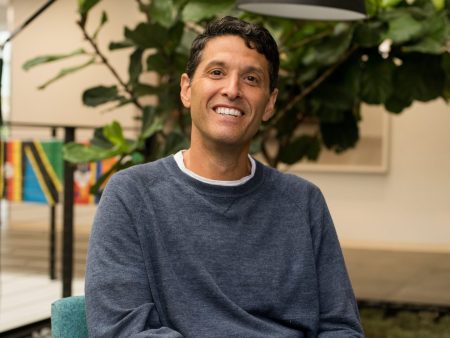
Sarah O’Sell, who manages CoMotion Labs’ climate tech incubators, is careful to describe the program as something that goes beyond traditional startup support. “We recognize that climate solutions aren’t necessarily always looking for venture investment,” she said. “They might be looking for a strategic partner or customers or grant funding. There’s all kinds of ways to scale these businesses.” That philosophy is baked into the design of the incubator. Instead of forcing every startup into the usual Silicon Valley mold of pitch decks and venture capital rounds, the program aims to connect founders with the people and organizations that can actually put their products to work. Consider a startup that has built a new kind of battery storage system capable of keeping a data center running during peak demand without firing up diesel generators. What that company really needs is a utility or a large tech firm willing to try it in a real facility. Or think about a company developing a novel cooling technology that uses far less water. It might need a partner with an existing data center to test the system and prove that it works at scale. In both cases, the path forward isn’t just a check; it’s relationships, validation, and access to the market. Microsoft, with its deep experience operating data centers around the world, can provide that kind of real-world guidance. E8 can offer the investment community’s perspective and help founders understand what makes a climate startup attractive. Elemental Impact adds a national view from its own data center work. Together, they create a network that is about much more than money. It’s about building a support system that acknowledges the messy, collaborative way that climate solutions actually happen.
The launch of the Data Center Innovation Cohort is a small but meaningful step in a much larger transition. The digital economy is not going to slow down, and the demand for data centers is not going to disappear. But the way we power, cool, build, and eventually retire those facilities can change. That’s the heart of this initiative. The University of Washington, Microsoft, E8, and Elemental Impact are all betting that the same inventive energy that created the cloud can also make it clean. For entrepreneurs, this is an open invitation to tackle problems that are big, measurable, and growing every day. Backup storage, grid improvements, efficient cooling, e-waste reduction, low-carbon materials — these aren’t just sector buzzwords. They are the practical requirements of a responsible digital future. The program’s home at the Seattle Climate Innovation Hub is symbolic of a broader regional shift, too. The Pacific Northwest helped build the modern cloud, and now it wants to be the place that solves the environmental problems the cloud has created. There’s room for new voices, new technologies, and new business models. The information session on Oct. 15 is the first step for anyone interested. Applications are due Nov. 15, and the cohort begins in February. It’s a short runway, but that urgency reflects the moment. As Karin Kidder said, the solutions are needed today. Some may take years to fully mature, but others could start making a difference almost immediately. The opportunity is there, and the window is open. All that’s left is for the right people and the right ideas to step forward.