





Behind the sleek facade of modern medicine, an invisible crisis is quietly unfolding in nephrology clinics across the United States. Every year, over 130,000 Americans reach end-stage kidney failure, the devastating and incredibly expensive culmination of chronic kidney disease, which affects 37 million people nationwide. Tragically, nine out of ten of those individuals have no idea their kidneys are failing until it is too late, as the disease progresses silently without pain or warning. In an era where a simple facial scan can clear us through airport security and a snapshot of a check can deposit money instantly, the medical infrastructure tasked with catch-ing this silent killer remains trapped in a bygone era. Doctors and clinic staff find themselves drowning in a sea of paper faxes, disparate databases, and manual spreadsheets. This profound systemic failure means that vital patient lab results often sit unread in one system while treating physicians work blindly in another, delaying life-saving interventions and driving annual national spending on kidney care to a staggering $150 billion.
The weight of this chaotic, fragmented system falls heaviest on the shoulders of the administrative staff working tirelessly in the clinic back offices. Anika Porter, an experienced practice administrator in Houston, witnesses this quiet struggle daily as her clinic’s physicians rush to care for up to two dozen complex patients each day. Before technological intervention, her practice required two full-time employees just to sort through and manually input data from hundreds of incoming paper faxes daily. Compounding this labor-intensive burden is the stressful, adversarial relationship with insurance companies. Insurers frequently engage in a practice called “downcoding”—discretely paying providers far less than the billed amount for services without notice—which starves specialized clinics of critical revenue. With industry wages stagnating and the field heavily relying on international medical graduates amidst uncertain immigration policies, clinic staff are burning out at unprecedented rates, forced to prioritize endlessly sorting through paperwork over caring for the human beings waiting in their lobby.
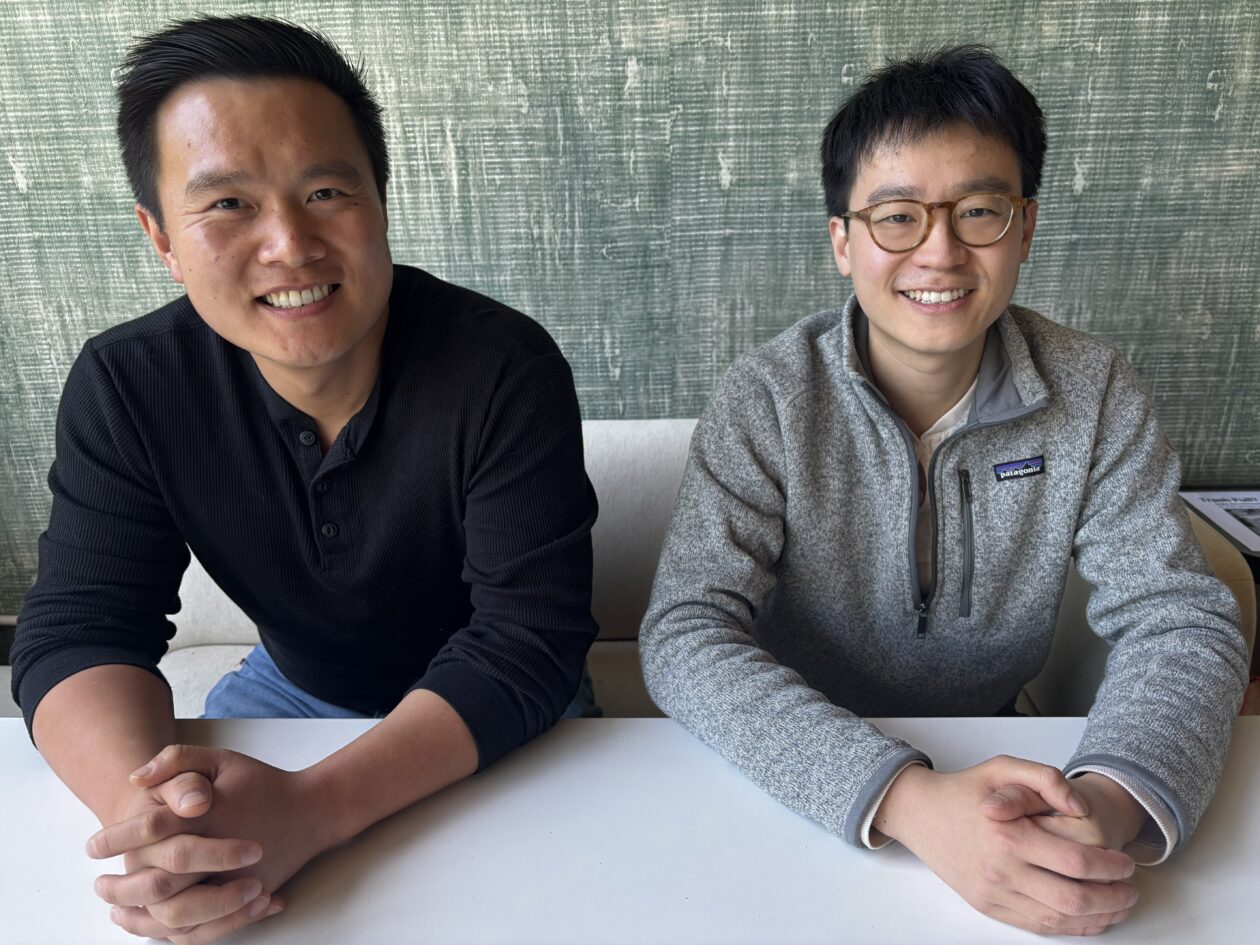
This human and administrative crisis is what inspired co-founders Jonathan Lin and Chong Sun to launch Seattle-based Apacendo Health. Having spent years in the dialy-sis industry, Jonathan was deeply frustrated by a system that capitalized heavily on late-stage disease, such as dialysis, rather than funding early, preventative care. When he met Chong, a brilliant machine-learning scientist, the pieces fell into place. Chong’s entry into healthcare was deeply personal; his wife, a retired Navy veteran working as a therapist for the Department of Veterans Affairs, was spending up to seven grueling hours a day on administrative paperwork, leaving just three hours for patient care. Determined to ease her burden, Chong built a custom software tool to automate her session notes, an experience that opened his eyes to the profound administrative pain points paralyzing the American healthcare system. Together, Jonathan’s deep industry insight and Chong’s technical expertise united to build an AI-native operating system designed to restore humanity and efficiency to nephrology.
Rather than trying to completely dismantle the deeply entrenched healthcare infrastructure, Apacendo Health works harmoniously within it by deploying specialized “digital employees.” These AI agents operate autonomously in the background of existing clinic workflows, reading and triaging incoming faxes, extracting vital patient data, and accurately populating electronic health records without requiring human data entry. For a typical small practice inundated with sixty faxes a day, this subtle technological shift recovers roughly five hours of lost staff time every single day. This saved time translates directly into restored humanity for exhausted workers, allowing one early user to share the profoundly simple joy of finally getting home in time to have dinner with her family. As Anika Porter emphasizes, the objective is never to replace the human element of medicine with technology, but rather to use AI to handle the routine, soul-crushing tasks so that human staff are free to focus on serving their patients.
By automating the mundane administrative tasks that previously monopolized their days, clinic staff can finally transition from a state of constant damage control to proactive patient care. With extra hours returned to their schedules, coordinators can answer patient calls more promptly, closely monitor lab trends, and ensure that individuals at risk of kidney failure are scheduled for evaluations before severe symptoms develop. Early, high-touch clinical intervention could dramatically reduce the fast-growing segment of patients who progress to end-stage kidney disease—a critical phase where, without a transplant, a patient has less than a fifty-percent chance of surviving five years. When clinic databases are accurate, up-to-date, and unified, healthcare providers can easily spot subtle, early indicators of kidney decline that would have previously been lost in a stack of unread faxes, ultimately preventing emergency hospitalizations and saving lives.
Ultimately, Apacendo Health’s vision stretches far beyond simplifying the daily workflows of clinic staff; it is about building a proactive, compassionate healthcare future that honors the dignity of every patient. By utilizing data to strengthen early-intervention protocols, the startup aims to shift the entire economic and clinical paradigm of nephrology away from high-cost, late-stage crisis management and toward preventative wellness. As the startup expands its reach to more practices across the country, Jonathan Lin remains grounded in the human reality that drives this technological revolution. Recognizing that every single one of us, along with our loved ones, will eventually grow older and rely on this very same medical system, he maintains that there simply must be a more compassionate, efficient, and intelligent way to care for one another.