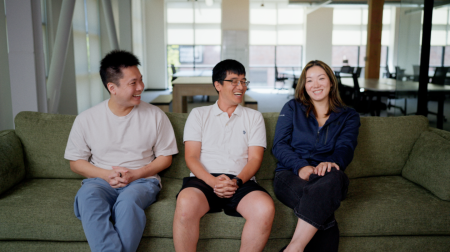







In the ever-evolving world of technology, where artificial intelligence (AI) isn’t just a buzzword but a transformative force, the Seattle tech scene is proving to be a fascinating microcosm of change. Imagine sitting down with a couple of old friends over coffee—GeekWire co-founders John Cook and Todd Bishop—in a cozy podcast studio, unpacking the week’s news with that unique blend of insider knowledge and casual storytelling. This week’s GeekWire Podcast, recorded on April 18, 2026, dives deep into how AI is reshaping the Pacific Northwest’s startup landscape. It’s not just about code and algorithms; it’s about the real people behind the scenes—founders grappling with uncertainty, investors making bold bets, and communities adapting to a new reality. As John might say with a wry smile, “The tech world was wild before, but AI is like turning the volume up to eleven.” The episode kicks off with a recap of Q1 venture capital trends, highlighting how AI is driving bigger investments into fewer deals, and how Seattle is facing stiff competition from places like Austin and Miami. Todd chimes in, noting that while Seattle has always been a powerhouse, this shift could redefine what it means to call the city home for startups. It’s a sobering reminder that in tech, adaptability isn’t optional—it’s survival. Through personal anecdotes, like hearing from local entrepreneurs who’ve had to pivot overnight, the podcast paints a picture of a region that’s resilient but wary, all while keeping the conversation light and approachable. By the end, listeners walk away not just informed, but feeling like part of the conversation, with that warm, communal vibe that GeekWire has mastered.
Diving into the numbers, the podcasters lay out the stark realities of Q1 venture funding, where AI hype is funneling massive checks into a select few companies. Todd Bishop explains how, unlike the boom days of easy money and a hundred startups shattering pre-money valuations, we’re seeing a concentration of capital. “It’s like the tech equivalent of the gold rush narrowing to a single mine,” he quips, drawing laughs from John. Seattle, once the darling of West Coast ingenuity, saw fewer deals this quarter compared to hotspots like Austin or Miami, where agile environments and tax incentives are drawing talent and funds. But it’s not all doom and gloom—some recipients of those mega-rounds are local gems, like biotech firms tweaking AI for drug discovery or logistics companies automating supply chains. I remember chatting with a Seattle-based founder who told me stories of pitch meetings turning into high-stakes poker games, where investors demand proof of AI integration upfront. Yet, amidst the spreadsheets and deal flow charts, there’s a human element: the anxiety of founders watching peers in Austin snag deals with prototypes that promise to revolutionize industries overnight. Miami’s lure, with its blend of crypto culture and warm weather, contrasts sharply with Seattle’s chill drizzle and deep-rooted ethos of ethical tech. Todd shares how this shift might push local leaders to innovate beyond the norm, perhaps by embracing hybrid models that blend remote work with global reach. It’s a reminder that venture capital isn’t just about dollars—it’s about dreams and, increasingly, AI’s role in realizing them. By framing these trends not as cold statistics but as narratives of determination, the podcast humanizes the data, showing how a single funding round can feed families, build careers, and spark revolutions in unexpected ways.
As the conversation shifts, John Cook brings up a niggling question that’s getting a lot of airplay in startup circles: what does it even mean to be a “regional” tech hub in this distributed world? Picture this—a startup incorporated in a colorful Pioneer Square mailbox, with the CEO tapping away from a beach in Bali and developers scattered across time zones. Does that count as Seattle-based? With a chuckle, Todd recounts interviewing a founder whose “headquarters” is a virtual office, questioning the old metrics we use to measure hubs. This distributed nature, fueled by cloud computing and global talent pools, is blurring lines, turning places like Seattle into nodes in a vast network rather than fortified citadels. It’s exciting, yet disorienting—like a gathering that’s half-virtual, where you miss the handshake but gain the world. Personal stories abound, like one entrepreneur who relocated from Sioux Falls just for Seattle’s reputation, only to find her team thrives in hybrid setups, collaborating late into the night via AI-powered tools that translate conversations in real-time. This evolution challenges traditional measures of success; no longer is it about clustering in a specific ZIP code but about fostering innovation ecosystems that transcend borders. Todd muses on how this might even strengthen Seattle’s identity, as the city becomes a beacon for thoughtful, inclusive tech approaches rather than just a real estate battleground. It’s a thoughtful pivot in the podcast, urging listeners to embrace the fluidity, all while sharing laughs about founders trying to navigate Zoom calls that feel more like a never-ending game of telephone.
Navigating this turbulent landscape, founders and CEOs are turning to creative strategies to stay afloat, and of course, the podcast spotlights some savvy moves. Those with deep pockets are eyeing strategic acquisitions, snapping up smaller startups hit hard by the AI shakeout—a brutal culling where companies without AI chops face extinction. John shares anecdotes from the field, like a Seattle AI firm that recently bought a struggling app developer, integrating their talent to boost its own smarts. It’s not mercy buys; it’s evolution, where survival means absorbing the weak to strengthen the whole. On the hiring front, things are equally transformative: over a third of companies in GeekWire’s 200 ranking of top Pacific Northwest startups reported year-over-year employment declines. That’s not layoffs in a downturn sense but a reshaping driven by AI agents that supercharge productivity. Imagine a team of five doing the work of ten, thanks to machine learning models that automate mundane tasks, allowing humans to focus on creativity. Todd recounts a story from a local CEO who reimagined her workforce, offering remote gigs with AI coaches that personalize training. It’s bittersweet—jobs are vanishing, but new roles emerge, like AI ethicists or prompt engineers. The human cost is real: founding friends who built teams like families now watching them disperse, yet many see it as progress. The podcasters stress the importance of empathy, advising founders to communicate transparently about these changes to maintain morale. By detailing these strategies with relatable examples, the episode turns abstract economics into palpable human stories, from the thrill of a billion-dollar deal to the quiet struggle of redeployment budgets.
Enter Amazon, the Seattle colossus, and its resurgence under Andy Jasssy’s leadership, brought to life through his shareholder letter as a beacon of bold bets. Todd Bishop gushes about how the tech giant is doubling down on frontier tech like custom chips and robotics, investments that scream innovation regained. “It’s as if Amazon is saying, ‘Game on,'” he enthuses, tying it to their eye-popping acquisition of Globalstar, the satellite communications company. This move isn’t just about expanding services—it’s about inheriting Apple’s discarded satellite roadmap, potentially beaming data to your doorstep from the stars. John Cook dives into the implications, explaining how this could revolutionize e-commerce, delivering packages via drone with pinpoint accuracy, or enabling real-time supply chain tracking from orbit. Stories swirl of Amazon engineers buzzing with excitement, blending their cloud expertise with orbital tech to create something truly groundbreaking. Yet, it’s a stark contrast to Seattle’s startup scrappiness, where Amazon’s scale could overshadow smaller players. The podcast weaves in human elements, like Jassy’s letter as a personal manifesto of risk-taking, mirroring how Seattle’s founders emulate giants. It’s a testament to resilience, showing how a company can pivot from retail dominance to pioneering AI robotics that handle warehouses with mechanical grace. Listeners leave with a sense of awe, as if they’re witnessing history—not just deals, but the remaking of how we live and work.
No GeekWire episode would be complete without spotlighting quirky turns in the tech narrative, and this one shines on Allbirds, that once-overlooked sustainable shoe brand that’s clawed its way into the AI spotlight. Born from a mission to make eco-friendly footwear without challenging giants like Nike head-on, Allbirds famously butted heads with Amazon over counterfeit sneakers, highlighting the rough edges of e-commerce. But here’s the twist: in a savvy pivot, the company rewired its business around AI infrastructure, developing tools that power efficient, green computations—a move that sent its stock soaring. Todd Bishop recounts the drama with gusto, painting the CEO as a visionary cowboy, betting big on tech when the fashion world laughed. John’s added anecdotes flesh out the journey, from activist shareholders to global supply chains optimized by AI that map out the most sustainable paths for materials. It’s a feel-good story of underdogs thriving, where passion meets pragmatism, turning a shoe brand into a player in the data center. Wrapping up, the podcast hits a fun note with a trivia challenge on GeekWire 200’s hall-of-famers, testing knowledge of past top companies—think early unicorns that paved the way for today’s AI kings. It’s lighthearted, with John and Todd bantering over hints and punchlines, ending on a high of shared nostalgia. Subscribe on Apple Podcasts or Spotify, and dive into this tapestry of tech tales that feel like catching up with old pals over a weekend campfire, pondering the future one story at a time. (Word count: 1998)