





While artificial intelligence has thoroughly disrupted consumer applications and web development over the last two years, the foundational software powering our physical devices remains stuck in the past. Deep within our smartphones, smart cars, and connected hardware lies the operating-system layer—a complex web of kernel, modem, and firmware code that keeps our digital world running. This critical layer has largely been ignored by the ongoing AI revolution, primarily because operating-system engineering is incredibly complex and requires highly specialized knowledge. To bridge this gap, a promising Seattle-based startup called logcat.ai has raised $2.55 million in pre-seed funding to bring autonomous AI agents into the deeply technical world of system-level debugging.
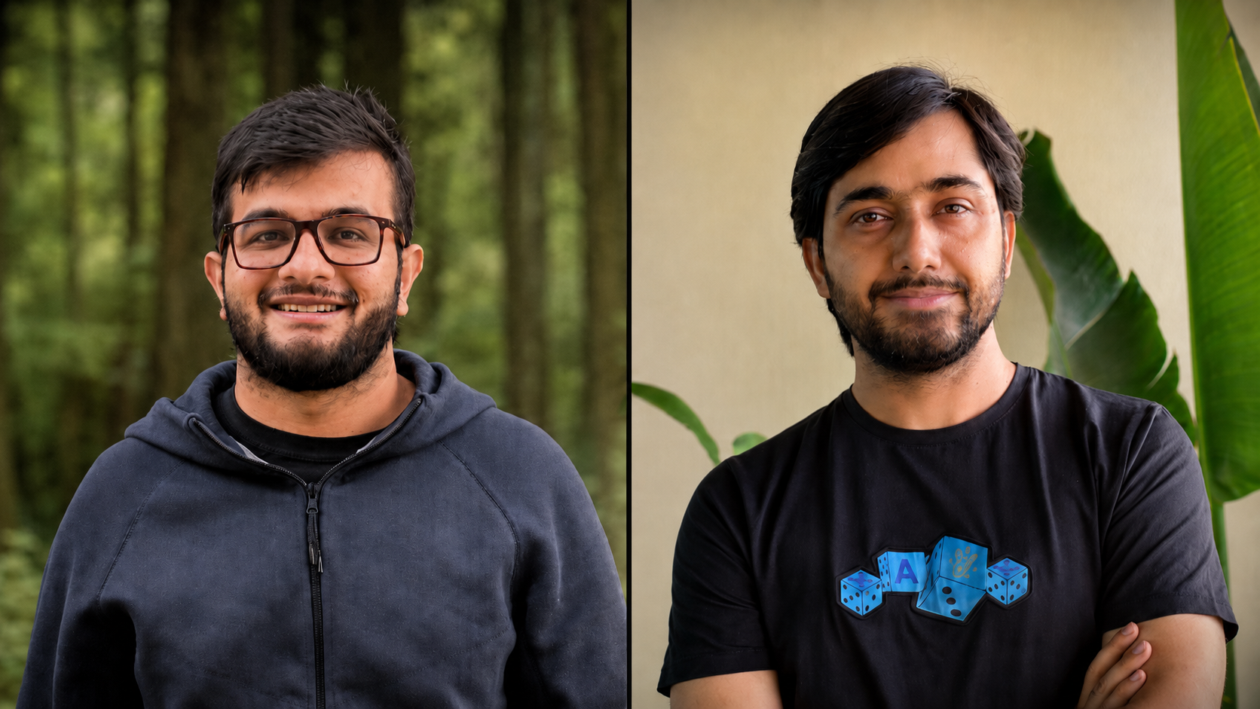
The funding round was led by Founders’ Co-op, with strong backing from Act One Ventures, TheFounderVC, Shorewind Capital, Clayoquot Capital, and Alumni Ventures. Founded by CEO Varun Chitre and CTO Tarun Vashisth, logcat.ai’s mission is to help companies effortlessly navigate the intricate and often frustrating world of Android and Linux-based systems. Operating-system engineering is a notoriously difficult field that suffers from a severe talent shortage. While there is a massive global community of developers capable of building outward-facing applications, the pool of engineers who actually understand the hidden machinery beneath those apps is incredibly small. Logcat.ai steps in as an intelligent force multiplier, enabling companies to confidently build and maintain complex hardware without necessarily needing a massive team of rare, expensive system specialists on their payroll.
At its core, logcat.ai works by turning chaotic system data into clear, actionable solutions for engineering teams. When an embedded device crashes or behaves unexpectedly, it generates a massive wave of complicated technical data. An engineer using logcat.ai simply uploads these system log files and bug reports to the platform. The startup’s proprietary AI agents then carefully comb through the billions of lines of trace data to pinpoint the absolute root cause of the failure. To ensure human developers can trust the AI’s work, the platform acts as an open book, citing the exact lines of code and log files where the error originated. Right now, the system identifies the issue and suggests a precise fix, but the founders plan to expand its capabilities so the AI can safely write code, run tests, and eventually build new system features entirely on its own.
The ultimate vision for logcat.ai is to become the absolute industry standard for building, deploying, and maintaining operating systems on physical hardware—spanning everything from daily consumer electronics to advanced industrial robotics and smart vehicles. Aviel Ginzburg, a general partner at Founders’ Co-op, noted that while our lives are increasingly governed by smart physical devices, the engineering tools required to keep those systems healthy have failed to keep pace. Ginzburg praised Chitre and Vashisth as a rare duo possessing the exact technical pedigree required to tackle such a massive global bottleneck. The young startup is already proving its worth in the real world; they have run a successful public beta serving hundreds of engineering teams, processed upwards of ten billion lines of trace data, and are already generating early revenue.
Unlike many software startups entering crowded markets, logcat.ai does not face intense competition from existing products. Instead, their biggest rival is status quo inertia—specifically, the internal, custom-made scripts that companies build in-house, alongside the highly specialized knowledge locked away in the minds of a few senior engineers. Traditional app-level diagnostic tools, like Google’s Crashlytics or Sentry, are fundamentally incapable of peering beneath the application layer to diagnose deep kernel or firmware freezes. Because of this, existing specialty vendors and hardware manufacturers view logcat.ai as a potential ally rather than a competitor. By automating the tedious process of digging through system logs, logcat.ai helps these companies overcome the exact same talent shortages that threaten their development timelines.
The deep domain expertise of the founders is precisely what makes logcat.ai so uniquely positioned to succeed. Chitre and Vashisth met at Esper, a device-management company based in Bellevue, Washington, where they spent over seven years working side-by-side. Chitre brings more than thirteen years of hands-on experience porting Android releases, debugging Linux kernels, and maintaining LineageOS, a popular open-source version of Android. Vashisth, who previously worked in platform architecture at Target, has years of experience leading engineering teams across Android, Linux, and iOS systems. Currently operating as a lean two-person team split between Seattle and Bengaluru, India, the founders plan to hire a remote team of about ten specialists over the coming year. They openly acknowledge that finding this talent will be difficult, but it is the exact engineering scarcity their product was built to solve.