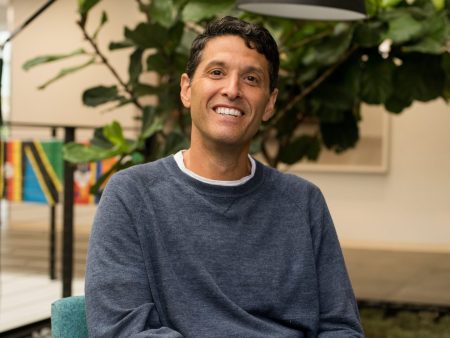



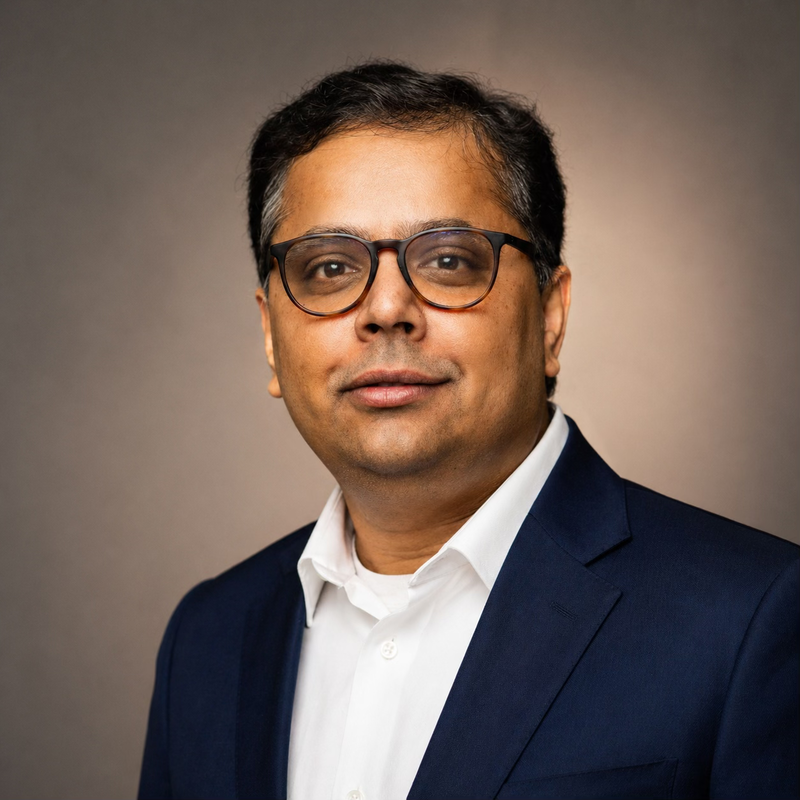
To spend nearly three decades building a career within the walls of a single institution is a rare and profound achievement in the fast-paced, high-turnover world of modern technology. For Krishna Kumar Parthasarathy, a veteran cybersecurity executive, his twenty-eight years at Microsoft were not merely a tenure but a lifetime of dedication, adaptation, and leadership that helped shape the safety of the global digital landscape. Thus, his recent decision to close this monumental chapter of his life and join Salesforce as the executive vice president of engineering represents far more than a routine executive transition; it is a deeply personal leap of faith into a brand-new frontier of technological innovation. In his new role at Salesforce, Parthasarathy will take the helm of engineering teams charged with developing and refining core products that are central to the company’s vision of the future, including Service Cloud, Digital Channels, and the highly anticipated Agentforce and Agentforce Voice. In a reflective and remarkably human announcement on LinkedIn, Parthasarathy shared that Salesforce sits at the absolute center of enterprise trust and customer context—a foundation he believes is paramount as the digital economy hurtles toward an era driven by autonomous agents. This career pivot illustrates a classic human journey: the pursuit of fresh challenges and the determination to apply a lifetime of hard-won wisdom to a new canvas, even when it means leaving the comfort of a legendary professional home.
Parthasarathy’s departure is far from an isolated incident; rather, it represents the crown jewel of an unprecedented summer exodus of elite cybersecurity minds from Microsoft. For years, the Redmond-based tech giant operated as an almost impenetrable fortress of talent, cultivating some of the most respected minds in digital defense who spent decades safeguarding critical global infrastructure. However, the summer of 2026 has witnessed a remarkable relocation of this executive brain trust, with industry powerhouses like Salesforce, Amazon Web Services (AWS), and ServiceNow successfully drawing these seasoned veterans into their own ranks. This mass migration of leadership points to a broader, systemic shift in how the tech industry views security, highlighting a collective desire among top executives to seek out environments where the next generation of trust architectures can be built from the ground up. There is a tangible human tension at play in these transitions—a balancing act between the pride of maintaining a legacy platform and the intoxicating pull of designing cutting-edge, agile security frameworks for competitors hungry to secure their own positions in the cloud and AI ecosystems.
When examining the specific individuals who have chosen to make this leap, the cumulative loss of institutional knowledge for Microsoft is nothing short of striking. Joining Parthasarathy at Salesforce is Rohan Kumar, the former corporate vice president of Microsoft Security, who has taken on the massive responsibilities of president and chief platform officer. Meanwhile, Rudra “Rudy” Mitra, a highly esteemed leader who dedicated over 27 years to Microsoft—most recently leading its Purview data-security business—has accepted a new challenge as the vice president of security services at AWS. In tandem with these moves, Rahul Prakash, the former head of product for Microsoft Security Copilot, has transitioned to ServiceNow as the vice president of product management in identity security. These are not merely names on an organizational chart; these are the actual human beings who designed, defended, and scaled systems that protect millions of businesses and everyday consumers from complex digital threats. Their decisions to move on signal a shared, industry-wide realization that the battleground of cybersecurity is shifting away from traditional operating systems toward specialized realms of cloud security, identity integrity, and platform workflow automation.
Beyond executive transfers, this season of change at Microsoft also highlights the deeply human realities of corporate burnout, the need for personal reflection, and the quiet dignity of retirement of those who have stood on the front lines of digital defense. Vasu Jakkal, who served for six intense years as the corporate vice president of security, compliance, identity, management, and privacy, has decided to step down without immediately announcing her next move. As the highly visible public face of Microsoft’s security marketing and strategic vision during a time of global pandemic-related transitions, Jakkal’s departure reminds us that the unrelenting pressure of safeguarding a massive corporate empire can take a significant personal toll, prompting even the most driven leaders to pause and prioritize their own well-being. Similarly, Joy Chik, the former president of identity and network access, announced her retirement in April, drawing a curtain on a brilliant career that was entirely devoted to protecting the digital identities of users worldwide. The decisions of Jakkal and Chik reflect a truth often overlooked in business: that the leaders who keep our digital world safe are human beings who must eventually seek balance, rest, and the opportunity to reflect on their monumental legacies.
Back in Redmond, these departures have necessitated a profound organizational reorganization and a total cultural reset as Microsoft attempts to navigate what some insiders are calling the transition to “Microsoft 2.5.” The responsibility of keeping the ship steady and driving innovation forward now falls largely on the shoulders of Hayete Gallot, who returned to Microsoft from Google in February to run the security business group. Gallot’s arrival coincides with the company’s aggressive push into the “agentic era,” a paradigm shift where security systems must evolve to manage and protect autonomous AI agents that act dynamically on behalf of human users. To help fill the massive leadership void left behind, Microsoft has also welcomed back Naseem Tuffaha, who returned to the company last month to assume the corporate vice president role previously held by Rohan Kumar. For the remaining engineering and product teams at Microsoft, this sudden influx of new leadership mixed with the departure of beloved, decade-long mentors creates a complex emotional landscape; it is a time of both vulnerability and immense opportunity, requiring Gallot and Tuffaha to focus as much on rebuilding team morale and psychological safety as they do on writing code and launching security patches.
Ultimately, this high-stakes talent migration reveals where the future of enterprise technology is headed, showing that the core of the digital economy rests on trust, context, and secure human-machine collaboration. As Krishna Kumar Parthasarathy noted during his transition, we are rapidly moving into a world where autonomous AI agents will manage crucial workflows and communicate directly with customers, transforming the very definition of software security. In this new era, security can no longer exist as a separate wall built around an application; it must be completely integrated into the identity systems, data pipelines, and natural-language interfaces of the platforms themselves. By dispersing Microsoft’s legendary security brain trust among competitors like Salesforce, AWS, and ServiceNow, the entire tech industry stands to benefit from a democratization of elite security knowledge. While Microsoft works diligently to rebuild its leadership hierarchy and redefine its identity under its new regime, its rivals are utilizing this newly acquired talent to build next-generation platforms, ensuring that the legacy of these departing pioneers will continue to protect and shape our digital lives for many years to come.