





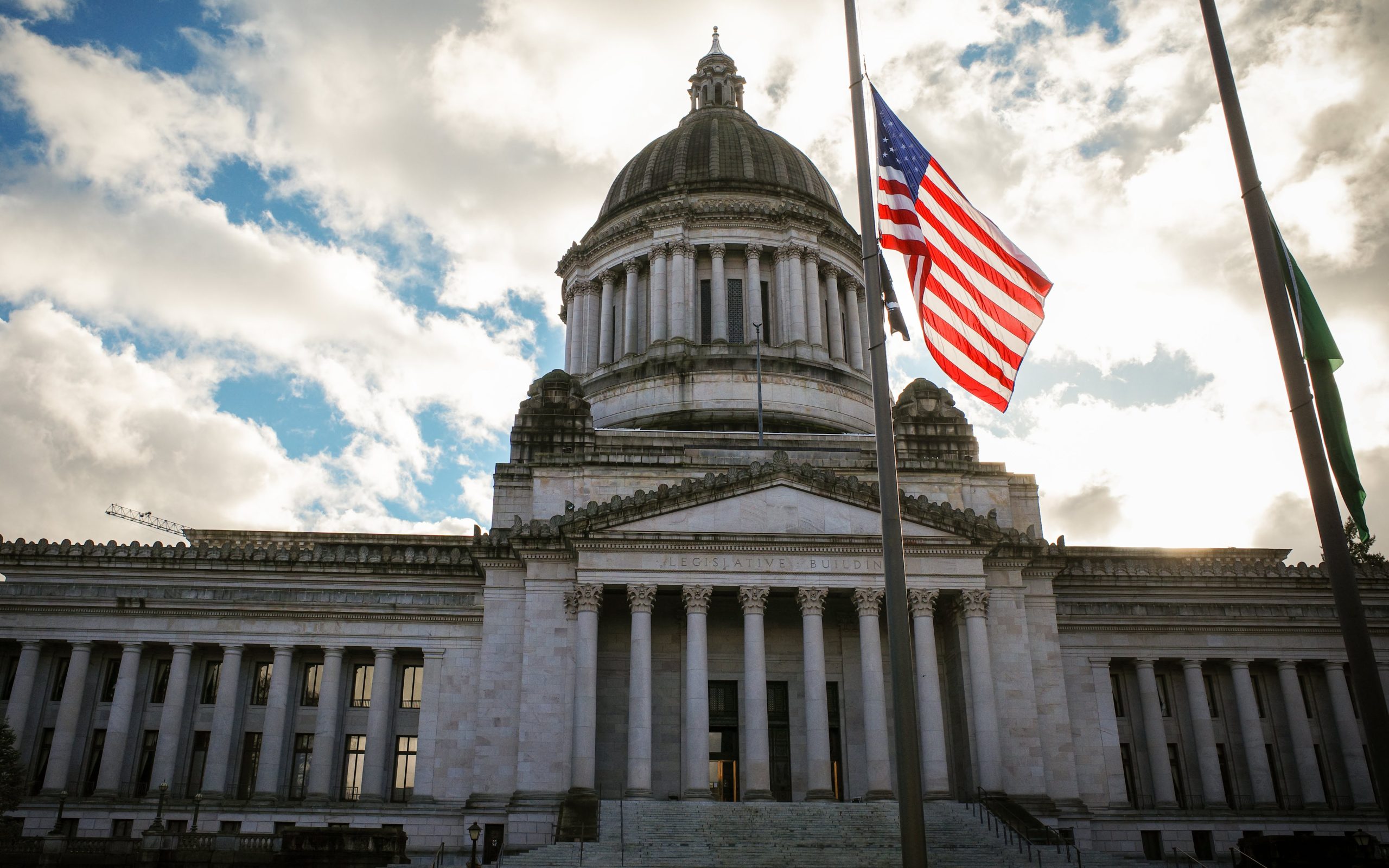
I’ve always felt a bit like the odd one out in my circles, a true-blue Democrat raised in a family that swore by the party’s ideals of fairness and progress. But there’s something I carry close to my heart that doesn’t fit neatly into today’s political boxes: my unshakeable belief in capitalism. Picture me as a kid in Seattle, watching my dad grind away at his small business, pouring sweat and dreams into turning a simple idea into something that fed our family and paid the bills. He wasn’t Wall Street wealthy or a billionaire; he was just an everyday entrepreneur chasing the American dream. Over the years, as I’ve built my own career investing in startups here in Washington state’s Legislative Building shadow, I’ve come to see capitalism not as a dirty word, but as the beating heart of what makes our country tick. Yet, lately, it feels like my two loves—Democratic values and free market innovation—are drifting apart, pulling at the seams of everything I hold dear. This separation didn’t come about overnight; it’s been brewing through decades of shifting tides in politics and society. Back in my youth, being a progressive and a capitalist didn’t require an apology. Now, though, it feels like a confession in a room full of skeptics. If we let this rift widen, I worry the Democratic Party—the one that shaped so much of my worldview—might abandon its claim to the very essence of the American promise: opportunity for all, powered by sweat equity and smart risks.
At its core, capitalism isn’t some abstract theory; it’s the story of everyday people like my dad, who dared to dream big in a system that rewards grit and ingenuity. Sure, America’s history is stained by dark chapters— the brutal displacement of Native peoples, the scars of slavery and segregation, and the glaring disparities where corporations and the wealthy have bent the rules to their advantage. We can’t—and shouldn’t—ignore those injustices. But if we zoom out, three pillars have kept our nation from crumbling under the weight of its flaws: open-hearted immigration that welcomes the huddled masses; the sturdy framework of the rule of law, ensuring no one’s hard-won gains are snatched away arbitrarily; and yes, capitalism—the engine that turns bold ideas into thriving jobs and overflowing bounty. I’ve buried myself in this work, backing entrepreneurs from their scrappy beginnings, and I’ve seen firsthand how this system creates wealth that trickles down. Without it, the “better life” promise fades, leaving us with a halted machine and a dream deferred. Democrats used to champion this balance, but today, it seems we’ve forgotten that prosperity isn’t a zero-sum game. It’s the fruit of countless creators, from humble cafe owners to tech giants, all spun from nothing into something that enriches us all.
What pains me most is how the party has turned on this very engine. Wander through a modern Democratic gathering or scroll through online forums, and you’ll hear capitalism painted as the villain—the big bad wolf devouring the common good. Billionaires, AI tech, data centers—they’re now the boogeymen, whipped up to rally the base with righteous rage. “Tax the rich!” they cry, even though the top 10% shoulder nearly three-quarters of federal income taxes already. “Ban data centers!” echoes another chant, ignoring how that just shunts innovation elsewhere, harming local economies. These aren’t coherent plans; they’re emotional appeals that treat American abundance like an endless well we can dip into without consequences. I feel a pang of betrayal because this rhetoric forgets the real people behind it all. My friends in startups wrestle with sky-high rents and regulations that stifle growth, yet they persist because capitalism lets them contribute. If we keep demonizing the system that lifts us, we risk squandering a legacy built on promise. It’s not capitalism that’s the enemy—it’s forgetting its humanity, the messy, brave acts of creation that have kept us afloat.
Deep down, our backlash might stem from taking it all for granted. Growing up in a land of plenty, I assumed stores stocked with every gadget and job opportunities flowing like a river were inevitable, like sunshine or breath. But they’re not. Every business, from my dad’s shop to Amazon, starts as a spark in someone’s mind—an unreasonable dream battling odds to create jobs, taxes, and charity. I’ve mingled with these visionaries at Founders’ Co-op meetings, hearing tales of failures that birthed better ventures. Capitalism’s magic? It’s regenerative. Old companies fade, but new ones surge, inventing solutions brighter than before. Look at the top 100 U.S. companies: half weren’t around 50 years ago, and nearly every old stalwart is being challenged by fresh innovators. This cycle, fueled by self-interest in a fair system, is extraordinary—a departure from history’s hierarchies. Yet we treat it like air, invisible until gone. If only more Democrats saw entrepreneurship as the solar power of our biosphere, not a fossil fuel to burn out, we’d cherish it. I’ve invested my life in this, watching hopeful teams turn ideas into realities, and it’s heartbreaking to see such brilliance dismissed as greed. Capitalism, when regulated ethically, is humanity’s triumph, not its flaw.
The real culprit in our drift away from capitalism? A democracy sputtering from its own shortcomings. For generations, Republicans and Democrats have jockeyed for power, both eyeing government as a tool—Democrats for building bridges, schools, and fair play; Republicans for lighter burdens and fewer intrusions. But to win support, they’ve doled out favors: tax breaks for farmers, subsidies for unions, loopholes for developers. This has woven a tangled web of incentives that reek of favoritism, where one group’s perks fuel another’s cries of “unfair!” It’s like a family Christmas where everyone unwraps lopsided gifts and accuses each other of cheating. Over 250 years, this bipartisansan graft has blurred the rule of law, making any success seem tainted by insider dealings. Wealth loses its sheen of hard-earned achievement, morphing into imagined theft. As a Democrat, it saddens me to see how this has led my party to scapegoat capitalism itself, overlooking the real villains: the corrupt machinery capturing both sides. We’ve reached a point where questioning the market feels justified, but it’s a tragic misfire—overlooking how entrepreneurship, not graft, truly powers progress.
Now, in states like Washington, Oregon, and California—my neck of the woods—we’re seeing the fallout in microcosm. Tax hikes meant to redistribute wealth are driving innovators away, voting with their feet to Texas or Wyoming’s tax-friendly shores. It’s not boosting revenues; it’s draining our talent pool. Entrepreneurs, the quiet heroes keeping economies vibrant, flee the fear of arbitrary takedowns. Yet, I don’t believe we must choose between fairness and enterprise. Proper regulations can curb abuses, taxes can fund roads and schools, and companies can play positive roles, like responsible citizens. But as someone who’s poured his soul into democratizing startup growth, I plead with my party: reclaim capitalism as our ally. Recognize entrepreneurship as the rocket fuel of our shared wealth, the spark that lights justice and opportunity for all. Ignoring this, we risk unraveling the fabric of abundance we’ve enjoyed. Stop demonizing the engine before it’s too late—let’s harness it together for a brighter American future. Being a Democrat and a capitalist shouldn’t be oxymoronic; it’s the path forward, blending heart with hustle. Through my experiences—from late-night pitches to triumphant launches—I’ve seen the magic firsthand. Let’s not squander it for slogans that divide. Embrace the dream, and rebuild what we’ve let fray. It’s time to heal this rift, for us all.
In closing, reflecting on my journey, I see a clearer way: Democrats, rekindle your faith in capitalism, and watch our nation thrive anew.