






The Rise of AI Powerhouses and a Billion-Dollar Bet on Amazon Chips
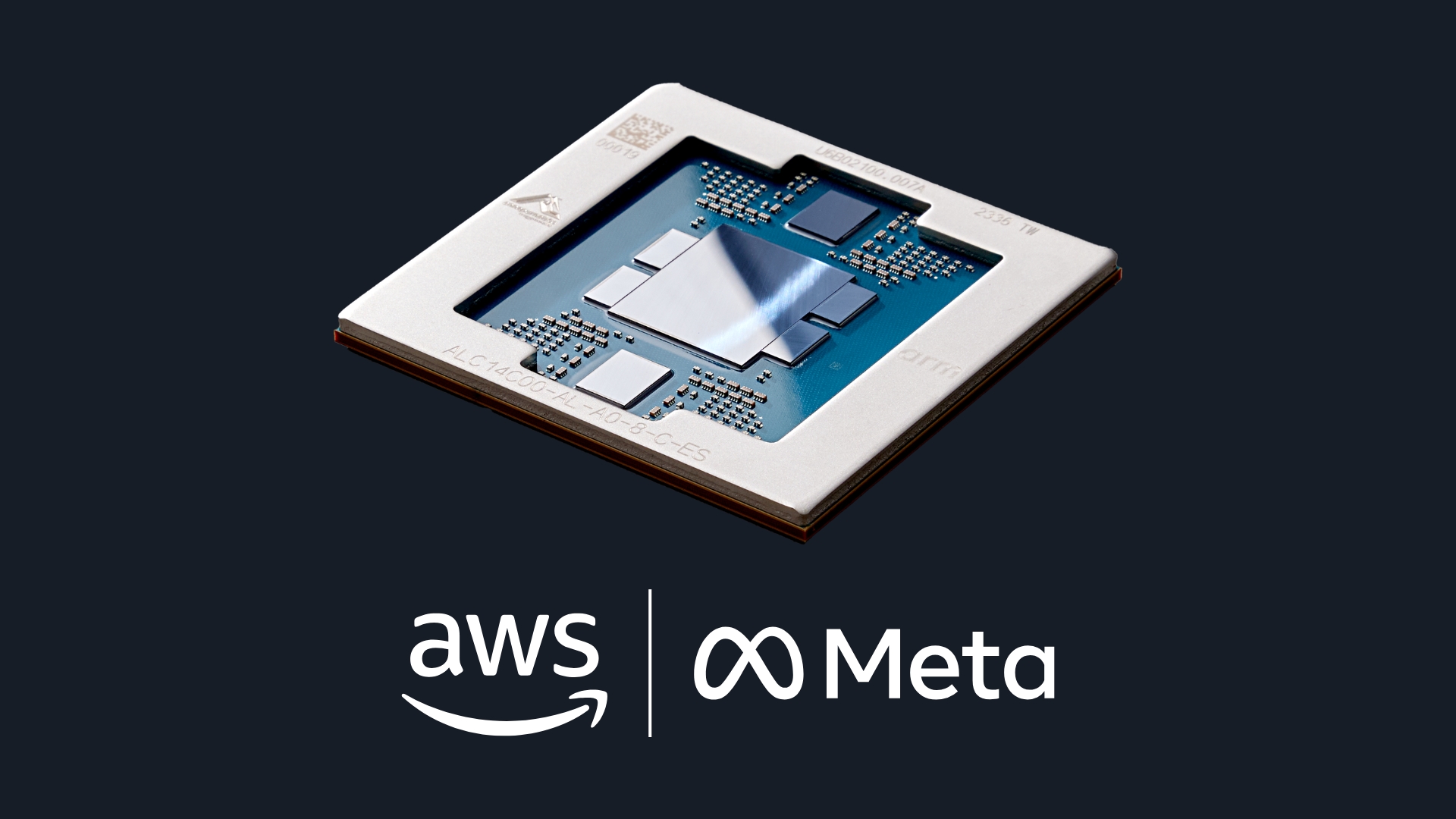
It’s a Thursday morning in 2026, and the tech world is buzzing about yet another blockbuster deal that could reshape how AI takes over our digital lives. Imagine this: Facebook’s parent company, Meta, just inked a massive agreement with Amazon to tap into their powerful Graviton chips specifically for something called “agentic AI.” This isn’t just any old tech partnership; it’s Meta dropping billions over the years to access tens of millions of those Graviton5 processor cores humming away in Amazon’s vast data centers. Picture Amazon’s AI Cloud photo ops with sleek servers stretching to the horizon—Meta’s now one of the biggest customers for these custom-built chips, building on their prior reliance on Amazon’s Bedrock platform for AI models. As someone who’s followed the AI arms race for years, I can’t help but see this as a pivotal move. While Nvidia’s GPUs have been the star of the AI show—powering everything from ChatGPT to deep-learning breakthroughs—Meta’s deal highlights a shift. Agentic AI, the kind that can autonomously plan, reason, and coordinate complex tasks, isn’t just about raw graphics crunching; it demands a steady drumbeat of general-purpose processing. Amazon’s CEO Andy Jassy summed it up perfectly in his LinkedIn post: this is turning into as much of a CPU story as it is a GPU one. It’s like the difference between a flashy race car’s engine (GPUs) and the reliable workhorse truck (CPUs) that hauls the supplies.
Meta isn’t putting all its eggs in one basket, though—that’s smart strategy. In a year where AI investments are soaring, the company just announced a brutal 10% workforce cut, affecting about 8,000 employees, as they pivot resources toward ambitious infrastructure goals. Santosh Janardhan, Meta’s head of infrastructure, spoke candidly about diversifying compute sources as a “strategic imperative.” That makes sense when you’re scaling up for AI world domination. Besides hooking up with Amazon’s Graviton line, Meta’s stacking partnerships like a pro gambler: they’ve got deals with Nvidia for GPUs, AMD for alternatives, a recent nod to Google’s custom processors, and even their own homegrown silicon cooked up with Broadcom. It’s a hedge against supply chain hiccups and the volatility of betting on one vendor. Think about it—this is Meta hedging for the future, where AI workloads could demand petabytes of compute power daily. The timing couldn’t be more telling. Just a day after those layoffs, which felt like a necessary evil to fuel the AI furnace, this Graviton deal lands. It’s a reminder of how capital-intensive AI has become: companies are shedding jobs to pour every penny into servers, chips, and electrons. As an industry observer, I’ve seen similar shake-ups in past booms, like the dot-com era or the mobile app gold rush, but AI feels different—more foundational, more transformative. Meta’s move with Amazon underscores that in the AI goldmine, you need the right tools, and they’re willing to pay big to ensure diversity and resilience.
Now, let’s talk about Amazon itself—Big Bezos’s playground is leveling up into a chipmaking titan, and it’s fascinating to watch. CEO Andy Jassy didn’t mince words in his annual shareholder letter: Amazon’s custom silicon business is raking in over $20 billion a year. That’s not pocket change; it’s a revenue stream rivaling entire divisions of other companies. The rumored next step? Selling whole racks of their chips to third parties—that could mean direct competition with Nvidia, the GPU gorilla. Imagine Amazon, the e-commerce giant, turning into a silicon seller—it’s like Walmart deciding to build its own factories. This Graviton deal with Meta is just the latest crown jewel in Amazon’s growing customer roster. With Meta onboard as a heavyweight user, Amazon’s AI infrastructure ecosystem is bulking up. It’s not just about chips; it’s about control over the AI pipeline. Jassy’s enthusiasm for agentic AI as a “CPU story” reveals a deeper truth: GPUs might steal the headlines for training massive models, but running those intelligent agents—software that can think, adapt, and act autonomously—requires the steady, versatile horsepower of CPUs. This partnership aligns perfectly with Amazon’s strategy of dominating cloud computing. They’ve built a moat around Web Services (AWS), and now their hardware is becoming indispensable. As someone who uses AWS for projects, I appreciate how seamless this integration feels—it keeps customers locked in, fostering loyalty through bespoke solutions.
Diving deeper into the ecosystem, Amazon’s allure isn’t just Graviton; it’s their full suite of AI enablers. Take Anthropic, the AI ethics-focused startup that’s now deeply entwined with Amazon. Just this week, they announced a $25 billion partnership where Anthropic commits to running its frontier models on Amazon’s Trainium processors. That’s Amazon’s other ace up its sleeve—Trainium chips designed for training AI models efficiently. It’s like having specialists for different tasks: Graviton for reasoning and coordination, Trainium for learning and adaptation. OpenAI, the creators of ChatGPT, jumped in too with their own $100 billion cloud deal earlier this year, pledging to use Trainium. This trifecta—Meta with Graviton, Anthropic and OpenAI with Trainium—shows Amazon positioning itself as the neutral arbiter in the AI wars. They’re not picking sides; they’re providing the neutral ground where rivals collaborate and innovate. For Meta, this isn’t just about chips; it’s about accelerating their AI ambitions without the headache of building everything in-house. Remember, Meta’s AI dreams span from smarter social feeds to virtual worlds in the Metaverse—agentic AI could power digital assistants that plan your day or manage entire online communities autonomously. The human touch here? This diversification prevents bottlenecks; if Nvidia drives up prices or faces shortages, Meta has options.
Broader industry whispers suggest we’re entering an AI boom that’s as disruptive as the internet itself. Meta’s bidding strategy—with piles of money going into AI while trimming workforce—mirrors what IBM did during the PC revolution or Google during the search wars. It’s painful in the short term, with headlines about layoffs casting shadows over innovation narratives, but the long game is infrastructure. Agentic AI, enabled by these chips, could usher in an era where machines handle not just data processing but decision-making on a grand scale—think self-healing networks, predictive health systems, or even automated governance in smart cities. Amazon’s expansion into silicon sales isn’t hype; it’s a calculated pivot. Selling chip racks directly could democratize access, making AI hardware as commonplace as server rentals today. I’ve chatted with engineers who rave about Amazon’s reliability—zero-downtime services built on rugged chips. This deal with Meta amplifies that, signaling to the market that Amazon’s silicon isn’t niche; it’s essential. It’s a wake-up call for competitors: the cloud giant is no longer just a renter; it’s a builder.
Looking ahead, what does this mean for the average person or small business? Well, it spells faster, cheaper AI tools. Meta’s AI, powered by Graviton, could enhance products like Instagram recommendations or Facebook Messenger’s bots, making them eerily intuitive. For developers, Amazon’s growing portfolio means more affordable, scalable compute options—maybe even open-source-ish silicon soon, though Amazon’s proprietary edge remains. The human element? While layoffs sting, they fund breakthroughs that could create new jobs in AI ethics, monitoring, and applications we haven’t imagined yet. This isn’t sci-fi; it’s 2026 reality. Amazon’s Jassy foresees a future where agentic AI is ubiquitous, and deals like this with Meta are paving the way. It’s exciting, a bit scary, but undeniably transformative—reminding us that in the chip-driven world of AI, partnerships are the currency of progress. As we gaze into this horizon, one thing’s clear: the AI revolution is just getting revved up, and Amazon’s silicon is the fuel.