




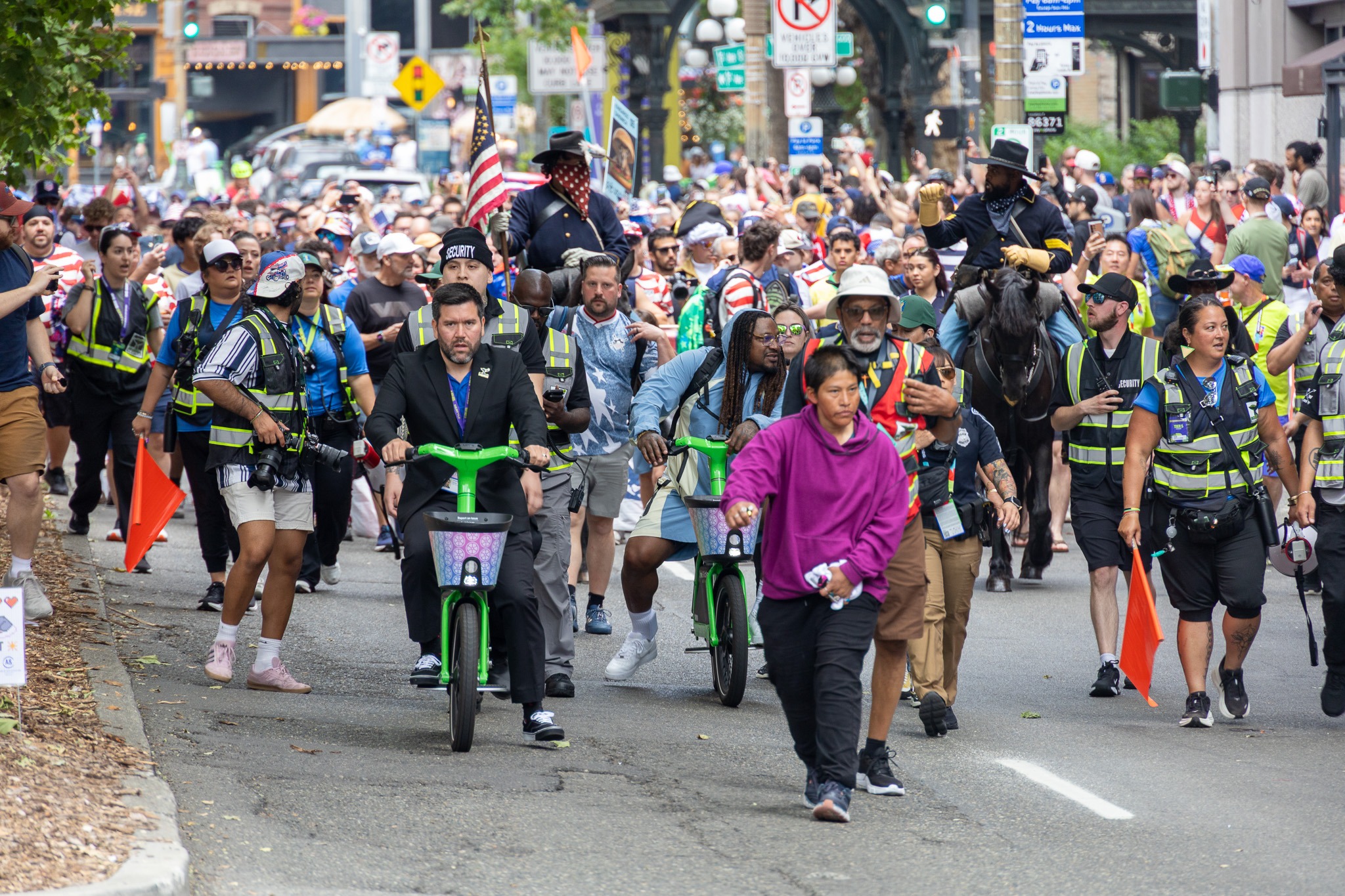
There is a unique, electric energy that takes over the city of Seattle when big sports events come to town, but on Friday, June 19, that atmosphere reached a fever pitch as the city prepared to host the highly anticipated FIFA World Cup match between the United States and Australia. The streets of the downtown core were transformed into a sea of vibrant colors, chanting voices, and pure anticipation as fans from all corners of the globe gathered for the traditional “march to the match.” Standing at the literal and figurative center of this joyous storm was none other than Seattle Seahawks legend Marshawn Lynch. Famously known to football fans worldwide of his powerhouse “Beastmode” running style, Lynch brought that same unstoppable energy to the pavement, leading the charge not on foot or in a luxury vehicle, but balanced playfully on a Lime Glider. As he coasted through the heart of Seattle surrounded by cheering supporters, his presence served as a perfect bridge between the city’s rich, proud football history and its exciting new era as a premier global soccer host. This joyful moment, captured in photos by the Seattle Department of Transportation, set a playful, community-centered tone dominant throughout the historic weekend, proving that even the biggest global spectacles are ultimately powered by local human connection and shared celebratory experiences.
This high-spirited parade did not just make for an incredible memory; it also kicked off an unprecedented, record-shattering day for urban mobility that proved Seattleites and visitors alike are eager to embrace greener ways of moving. As tens of thousands of fans descended upon the stadium district, they bypassed gridlocked traffic and crowded parking lots by turning to shared micromobility in numbers never seen before in the Pacific Northwest. By the end of Friday, Lime had recorded an astonishing 83,000 trips on its shared e-bikes and e-scooters across Seattle, setting a new single-day ridership record for the city. This incredible tally comfortably eclipsed the previous record of more than 60,000 trips, which had been set only months prior in February when triumphant fans flooded the downtown streets for a massive Super Bowl championship parade. Across the entire week of June 15 through June 21, Lime saw riders complete more than 300,000 trips on its fleet. This spectacular figure solidified the company’s status as the sole provider of shared e-bikes and scooters in Seattle, demonstrating that when access is convenient and the need is urgent, people will enthusiastically ditch cars in favor of open-air, two-wheeled transportation.
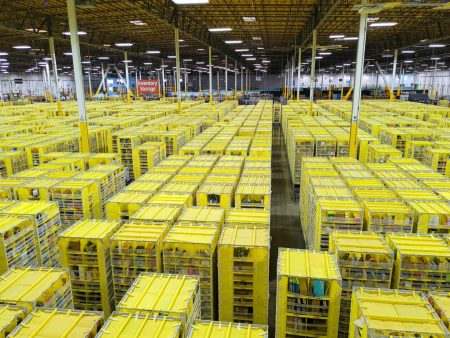
Behind the scenes of this massive transportation triumph was a complex logistical ballet coordinated by dedicated local workers who worked around the clock to keep Seattle moving safely. Operating out of Lime’s bustling Seattle warehouse, teams of technicians, chargers, and logistics experts meticulously prepped and maintained a fleet of 15,000 devices, anticipating the massive surge in demand. To ensure the influx of green scooters and bikes did not lead to chaotic sidewalks, Lime collaborated closely with the Seattle Department of Transportation and local community stakeholders to establish organized, designated staging zones near high-traffic areas like Pioneer Square, the waterfront, and the Occidental Square fan zone. Ground crews were deployed directly to these hotspots to hand out free helmets, assist riders with safety guidelines, and dynamically rebalance the fleet so vehicles were always available where they were needed most. Additionally, Lime implemented virtual geographic boundaries, known as geofencing, to regulate speeds in highly crowded pedestrian corridors and introduced a specialized “Fan Pass” that offered flexible, discounted riding rates through July 19, making sure that navigating the city remained accessible, affordable, and stress-free for everyday residents and international tourists alike.
The record-breaking frenzy was not limited to two wheels, as Seattle’s public transit network also experienced an unprecedented surge of riders seeking to navigate the bustling metropolis. Sound Transit’s Link light rail system reached its own monumental milestone on Friday, carrying an estimated 280,000 passengers and shattering its previous single-day record of 220,000 riders, which had also been set during the celebratory Super Bowl parade earlier in the year. To accommodate the massive influx of sports enthusiasts, transit operators ran light rail trains at peak capacity from 6 a.m. all the way until 1 a.m. the following morning, ensuring that fans could travel safely and affordably across the broader region. The sheer density of travelers was amplified by a perfect storm of regional sports passion; while soccer fans packed the streets for the World Cup match, a sold-out crowd of baseball fans simultaneously flocked to adjacent T-Mobile Park to watch the Seattle Mariners play. On train platforms and inside crowded transit cars, communities blended seamlessly as soccer buffs in national team jerseys exchanged high-fives with baseball fans in Mariners caps, showcasing a vibrant, shared civic pride that defines the very best of Seattle’s sports-loving culture.
This extraordinary weekend served as a highly visible, incredibly successful real-world stress test for the future of urban infrastructure and sustainable city planning. When massive events place immense strain on a city’s roadways, transit agencies, and the personal finances of its residents, the seamless combination of public rail and private micromobility offers a clear, scalable blueprint for how modern cities can remain functional and liveable. As Parker Dawson, Lime’s senior regional lead of government relations, aptly noted, Seattle demonstrated to the global community exactly how shared e-bikes and scooters can act as the vital connective tissue of a host city’s transit system. By providing an easy way for commuters to tackle the “first and last mile” of their journeys—the distance between their final destination and the nearest transit station—micromobility relieves pressure on buses and trains while keeping streets free of gridlock. This transition away from car-centric planning toward walkable, rideable, and transit-oriented neighborhoods not only reduces carbon emissions but also fosters a more vibrant, human-scale street life where people can actively engage with the businesses, parks, and cultural spaces around them.
As the excitement from the opening match continues to reverberate through the hills of the Emerald City, Seattle is eagerly preparing to welcome the world back to its streets for a series of upcoming high-stakes soccer matches. The local World Cup schedule promises plenty of thrills, starting on June 24 at noon with an intriguing matchup between Bosnia-Herzegovina and Qatar, followed closely on June 26 at 8 p.m. when Egypt takes on Iran under the evening stadium lights. The tournament’s drama will continue to intensify as the calendar turns to July, with the highly anticipated Round of 32 scheduled to kick off at 1 p.m. on July 1, followed by a dramatic Round of 16 clash on July 6 at 5 p.m. With each upcoming match, Seattle has another golden opportunity to refine its transit strategies, break more ridership records, and show the world that it is a world-class city capable of hosting global events with efficiency, warmth, and sustainability. Whether fans choose to ride the light rail, walk through the historic streets of Pioneer Square, or emulate Marshawn Lynch by gliding down the waterfront on an e-bike, one thing is certain: Seattle’s community-driven spirit will be moving in full Beastmode all summer long.