






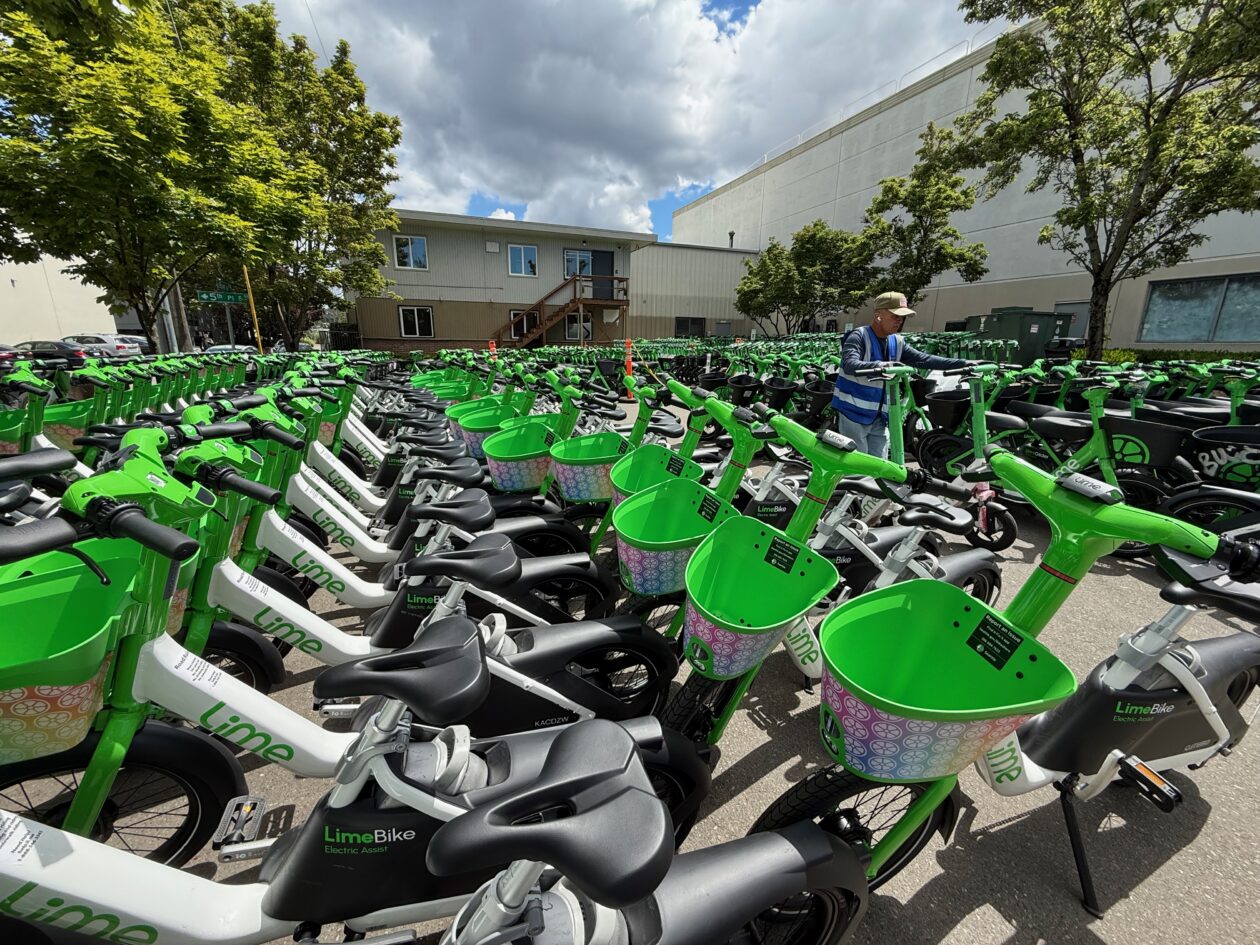
Tucked away in the industrial heart of Georgetown, just south of downtown Seattle, a sprawling warehouse hums with the relentless rhythm of clinking metal, whirring power tools, and the quiet focus of a specialized team of technicians. This unassuming building serves as the central nervous system for Lime’s entire Pacific Northwest empire, and today, the energy inside pressure-cooks with a distinct sense of urgency. With Seattle preparing to step onto the global stage as a host city for the highly anticipated FIFA World Cup matches, the local transit ecosystem is bracing for an unprecedented deluge of visitors. For Lime, now operating as the sole micromobility provider within the city limits, this is a defining moment. The warehouse floor is packed with rows of iconic green-and-white vehicles—thousands of two-wheeled machines being polished, tested, and fine-tuned by local hands. As global travelers descend upon Lumen Field, this hidden hub of passionate mechanics and forward-thinking logistics specialists will be the silent engine keeping the city moving, proving that behind every slick, smartphone-enabled ride is a massive, deeply human effort dedicated to urban survival and connection.
The responsibility resting on this single warehouse is staggering when you look at the sheer scale of modern urban transit. In early 2024, after competitors like Bird exited the Seattle market, Lime stepped up to become the city’s exclusive bike- and scooter-share operator. Today, they manage a massive fleet of 15,000 active devices, a diverse armada that includes 7,000 electric scooters, 4,000 sitting-style LimeGliders, 3,300 Gen 4 electronic bikes, and 700 of their ultra-modern, newly updated LimeBikes. The demand for these green machines is already skyrocketing; during the first quarter of this year alone, Lime recorded a mind-boggling 2.3 million rides in Seattle, representing a 50 percent leap from the previous year. But the upcoming World Cup, alongside a packed schedule of summer concerts and festivals, represents a logistical mountain that will dwarf normal operations. Company experts anticipate that game-day crowds around the stadium district will easily rival, and likely shatter, Lime’s all-time ridership record in Seattle—a milestone set during the legendary Super Bowl championship parade, which saw more than 60,000 chemistry-filled trips in a single day. Local leaders like Parker Dawson, Lime’s senior regional lead of government relations, view this looming tidal wave of humanity not as a crisis, but as a golden opportunity to show how a modern metropolis can breathe, move, and thrive without collapsing into gridlock.
To prevent the transit network from buckling under this massive influx of international sports fans, Lime is rolling out a series of highly compassionate, human-centered operational upgrades that blend physical street smarts with cutting-edge digital mapping. Recognizing that crowded stadiums create notorious cellular dead zones where standard smartphone apps freeze, Lime is launching a physical “valet parking” service. Real, high-visibility human staff will be stationed at key drop-off zones near Lumen Field to instantly end rides and lock vehicles manually on behalf of frustrated users who cannot connect to the internet. Additionally, to make the city more financially accessible during these expensive high-profile weeks, Lime has launched a discounted “Fan Pass.” Running through mid-July, this pass slashes rental fees by up to 70 percent, offering 90 minutes of riding time for just $12.99. Meanwhile, sophisticated geofencing technology will create invisible, event-specific safety corridors to steer riders away from dense pedestrian mobs, while a dynamic vehicle rebalancing program—guided by historic GPS traffic patterns—will ensure clusters of bikes are constantly shifted to where people need them most. Safety isn’t being left behind either; the team is distributing thousands of free helmets at community events and valet stations, demonstrating that physical well-being remains the ultimate priority.
Perhaps the most fascinating evolution taking place on Seattle’s streets this summer is the deployment of “Lime Vision,” an Artificial Intelligence tool designed to gently teach riders how to coexist with traditional pedestrians. In any bustling urban center, sidewalk riding is a constant source of friction, causing anxiety for elderly walkers, children, and people with disabilities. To solve this without resorting to harsh fines or digital bans, Lime has equipped 3,500 of its brand-new Gen 4.1 scooters with forward-facing cameras and smart processors that can instantly distinguish between asphalt, concrete sidewalks, and painted bike lanes. When the scooter detects a rider illegally cruising down a crowded sidewalk, it politely chirps “Avoid sidewalks” and pushes a friendly notification to the rider’s phone. This approach, which general manager Brent Vigneault refers to as choosing “the carrot instead of the stick,” aims to educate and guide through real-time feedback rather than punitive policing. This cooperative safety model is supported on the back end by the “Capture” parking system, which requires riders to snap a photo of their parked unit. An AI sweeps the photo in seconds, preventing the trip from ending if the vehicle is blocking an ADA ramp or a crucial pathway, while the Seattle Department of Transportation has painted over 230 physical parking corrals across the downtown core to give riders clear, inviting target destinations.
Behind these high-tech innovations lies a deeply rooted, blue-collar dedication to sustainability and craftsmanship inside the Georgetown maintenance facility. The mechanics who inhabit this space are the unsung heroes of Seattle’s green revolution, cross-trained to diagnose and repair every single vehicle type, from the smallest scooter to the heaviest electric cargo bike. Rather than treating these vehicles as disposable tech gadgets, Lime’s engineering philosophy is circular and deeply ecological. Every single component—from handlebars, seats, and phone mounts to custom electric motors and heavy-duty wheels—is fully modular and swappable. When a vehicle is flagged by sensors or an unhappy rider review, it is brought into the warehouse, stripped of its worn parts, and rebuilt with fresh components, ensuring that older frames can continue rolling through Seattle’s rainy streets for years. When a vehicle finally reaches the absolute end of its operational life, it is painstakingly salvaged for raw parts before its remaining metal is sent to local recycling centers. Even aesthetic upkeep is treated with rigorous pride; technicians meticulously scrub away graffiti and street grime, understanding that public respect for shared transit begins with riding a vehicle that feels clean, safe, and loved.
Ultimately, Lime’s summer offensive in Seattle is about far more than managing a massive sports tournament; it is a preview of the sustainable, human-scaled city of tomorrow. By merging the precision of artificial intelligence with the warm, adaptable touch of boots-on-the-ground support staff and dedicated mechanics, the company is proving that micromobility can be an incredibly robust partner to traditional municipal rail and bus systems. As the physical and digital worlds seamlessly collide through geofenced boundaries, smart cameras, and painted physical corrals, we are witnessing a fundamental shift in how people claim ownership over their urban spaces. This summer, as millions of people from across the globe gather under the iconic Pacific Northwest skies to cheer, celebrate, and explore, they will discover a city that feels surprisingly open, remarkably quiet, and deeply interconnected. Through the simple act of hopping onto a green-and-white bike, both locals and foreign travelers are participating in a quiet revolution—one that leaves behind the stressful, isolating confines of gridlocked bumper-to-bumper cars in favor of the fresh, breezy, and shared experience of a truly modern community in motion.