


For generations, the dream of reaching the cosmos was locked behind a fortress of hyper-exclusive credentials. To even contemplate a career in the space industry, one historically needed a highly specialized doctorate in astrophysics, a background as a military test pilot, or a lifetime of elite engineering experience. However, as the modern commercial space race accelerates, this rigid paradigm is undergoing a profound and beautiful transformation. At a recent Seattle Tech Week session, local innovators and industry veterans gathered to demystify the final frontier, revealing that the contemporary road to space is no longer a straight, clinical line. Instead, it is a winding, deeply human path paved with diverse experiences, career pivots, and unexpected starting points. As the panel demonstrated, the next giant leap for humanity will not be taken solely by traditional rocket scientists, but by a vibrant tapestry of individuals who began their journeys in entirely different sectors of the workforce.
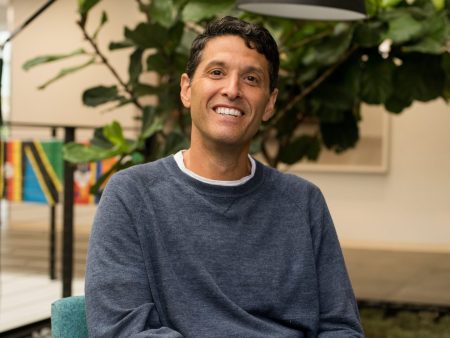
Perhaps no story embodies this democratic shift more vividly than that of Kayla VanderPutten, who currently serves as a technical recruiter at Anduril Industries. Addressing a captivated audience in downtown Seattle, VanderPutten shared the remarkable story of how her career in aerospace began not in a cleanroom or a design lab, but behind an espresso machine. Working as a barista at SpaceX, she spent her days crafting coffee for the brilliant minds tasked with building the future of global connectivity. Rather than remaining a passive observer, she engaged her natural curiosity, striking up conversations with the engineers about the complex machinery they were designing. This organic curiosity did not go unnoticed; in a move that still brings a sense of wonder to her voice, she was recruited straight from the espresso stand to the manufacturing floor to help build the first five hundred Starlink satellites. VanderPutten quickly realized that when a company is attempting to manufacture ten satellites a day, simplicity and practical usability are paramount. Her fresh, non-traditional perspective allowed her to offer invaluable feedback to the engineering teams, demonstrating that a willingness to ask questions and challenge assumptions can be just as crucial to mission success as a technical degree.
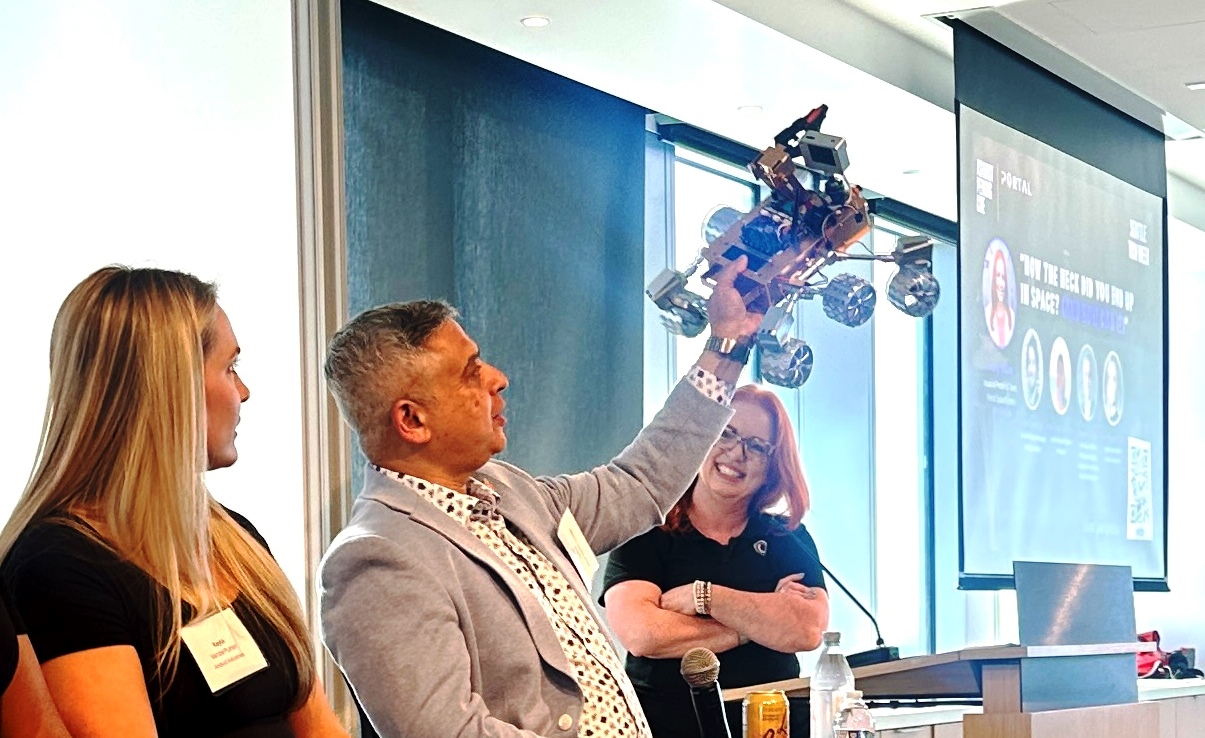
This intersection of everyday expertise and space exploration is also being forged in the academic halls of local community colleges, where leaders like Joydeep Hazra are redefining what it means to prepare students for the future. Hazra, who spent a quarter of a century navigating the high-stakes worlds of telecommunications and network engineering at giants like Nokia, Mavenir, and TRIDENTX, now directs the federally funded electric vehicle program at South Seattle College. During the panel, Hazra proudly displayed a prototype Mars rover, highlighting how the technical skills required to build and maintain terrestrial electric vehicles directly translate to the rovers that will one day traverse the dusty plains of Mars. This vision is rapidly materializing through a groundbreaking partnership between South Seattle College and the nonprofit Mars Society. Together, they are constructing a space research station right on the college campus, featuring a simulated habitat where students can train for future missions to the moon and Mars. By bridging the gap between automotive technology and aerospace, Hazra is proving that the local workforce already possesses the foundational skills needed to fuel our journey into the solar system.
The core philosophy driving these initiatives is the realization that establishing a sustainable human presence on other worlds requires an entire society, not just a crew of pilots. As Hazra passionately pointed out, building a functioning lunar or Martian habitat demands an incredibly broad spectrum of human skills that extend far beyond astrophysics. If we are to survive and thrive on the lunar surface, we will need experts in microgrids to manage power, skilled technicians to handle complex plumbing systems, communications specialists to manage frequencies, and agriculturalists to grow food. Furthermore, the psychological toll of long-duration space flight means that counselors, cooks, and team builders will be just as critical to the survival of a colony as the physical hardware itself. Without this holistic, multidisciplinary approach to workforce development, the dream of international exploration risks falling behind. By validating and elevating these diverse trades, local programs are ensuring that the future extraterrestrial workforce is as robust, practical, and resilient as the communities we leave behind on Earth.
To support this grand vision, structural pathways are being established across the Pacific Northwest to help everyday workers transition into the aerospace sector. For instance, Amazon Leo—the satellite initiative formerly known as Project Kuiper—has partnered with the Lake Washington Institute of Technology in Kirkland to launch an innovative certification program designed specifically for satellite technicians. This program is not designed to appeal to high-level academics, but to provide accessible, hands-on training for individuals looking to pivot their careers into a high-growth industry. Additionally, Amazon’s Career Choice program offers a lifeline of opportunity to non-technical employees, enabling workers in fulfillment and logistics centers to retrain for advanced satellite manufacturing roles. These initiatives reflect a growing corporate and academic recognition that talent is everywhere, but opportunity has historically been limited. By building these educational bridges, local institutions are proving that a background in logistics, retail, or manual labor can serve as a powerful foundation for a career in the stars.
Ultimately, the overarching message of Seattle Tech Week was one of empowerment, urging aspiring professionals to shed their imposter syndrome and embrace the value of their unique perspectives. VanderPutten advised young graduates and those looking to make a career pivot to remain endlessly curious, to ask how systems integrate, and to never shy away from asking what they might fear is a “dumb” question, as those questions often unlock crucial insights for the entire team. This sentiment was echoed in subsequent panels, where experts like BofA Securities director Joseph Gnanapragasam, former intelligence official Ginger Florea, and Portal Space Systems CEO Jeff Thornburg discussed the profound societal and economic impacts of the growing space economy. As the session concluded, the laughter and shared optimism in the room made it abundantly clear that the space industry is undergoing a deeply humanizing evolution. The final frontier is no longer a distant, sterile void reserved for a select few; it is a collaborative, inclusive sandbox where baristas, technicians, educators, and dreamers of all backgrounds are actively working together to build a shared future among the stars.