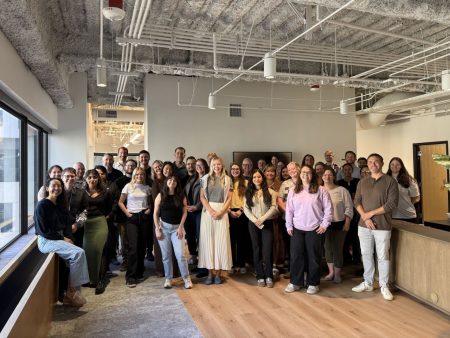







General Motors is making a bold statement about the future of work and urban innovation by planting a larger flag in the heart of Seattle. The automotive giant has signed a lease for a 43,000-square-foot office at West8, a sleek and modern building in the city’s bustling Denny Triangle neighborhood, with plans to open its doors in early 2027. On the surface, this is a simple real estate transaction—another big company securing space in a dynamic city. But beneath the numbers and lease agreements lies a much more human story: GM is creating a home for roughly 200 employees who have been scattered across the Seattle region, working remotely, often isolated from one another. When that office opens, these team members will finally have a place to gather, share ideas, and feel a sense of belonging that remote work sometimes struggles to provide. The space itself is designed to reflect that mission, with traditional workstations for focused tasks, flexible lounge seating for casual conversations, and collaborative huddle rooms where small teams can brainstorm and solve problems together. It’s not just an office; it’s a community hub for people who are building the cars and digital experiences of tomorrow. And for Seattle, it’s a powerful signal that GM sees the Pacific Northwest as essential to its evolution—not just as a sales market, but as a place where the company’s most important technological breakthroughs will be imagined and developed.
The people who will call this new office home represent a fascinating cross-section of GM’s workforce. They work in digital products, creating the software and interfaces that drivers interact with every day. They work on autonomous vehicles, pushing the boundaries of what’s possible in self-driving technology. They work in IT, keeping the company’s systems connected and secure. And they work in HR and marketing, ensuring that GM attracts the right people and tells its story to the world. It’s an eclectic mix, and that’s precisely the point. When these groups share the same floor, magical things happen: an engineer overhears a marketer discussing a customer pain point and realizes they can solve it with a software update; an HR specialist learns about a new AI tool from the autonomous vehicle team and wonders how it could improve internal processes. The 200 remote employees currently in the region have been doing their best to collaborate across distance, but there’s no substitute for bumping into a colleague in the hallway or grabbing a coffee together between meetings. The new office will bring those existing team members together under one roof while also giving GM the space and visibility to recruit additional talent. And for anyone worried that this means a return to the rigid office culture of the past, GM has been clear about its approach: the company follows a hybrid work policy, requiring employees who live within a 50-mile radius to work on-site three days a week. That leaves room for flexibility, for the quiet focus of a Tuesday at home, while preserving the collaborative energy of in-person days.
Why Seattle? It’s a question that many outsiders might ask, especially since GM’s roots are deeply planted in Detroit, Michigan. The answer lies in the city’s incredible depth of technology talent. Seattle has long been a magnet for engineers, data scientists, and product thinkers, thanks to the presence of companies like Amazon and Microsoft and the region’s thriving startup ecosystem. GM recognizes that the future of the automobile is being written in code, not just steel, and that means the company needs software engineers who can build everything from in-car entertainment systems to the complex neural networks that guide self-driving cars. In particular, GM says it wants to attract engineers specializing in artificial intelligence and machine learning—fields where Seattle has become a global powerhouse. The company credits its Seattle-area software teams with building the technical foundation behind its on- and off-vehicle platforms, and this new office is a bet that those teams will continue to deliver groundbreaking work if given the right environment and resources. It’s a very human logic: put smart, passionate people in a place where they want to live, give them the tools to do their best work, and trust that great things will follow. Seattle offers not just a talented workforce but a lifestyle that appeals to engineers—mountains, water, a vibrant arts scene, and a culture that values work-life balance. For GM, this isn’t just about filling desks; it’s about showing engineers that a career in the automotive industry doesn’t mean moving to the Midwest and giving up everything they love about the Pacific Northwest.
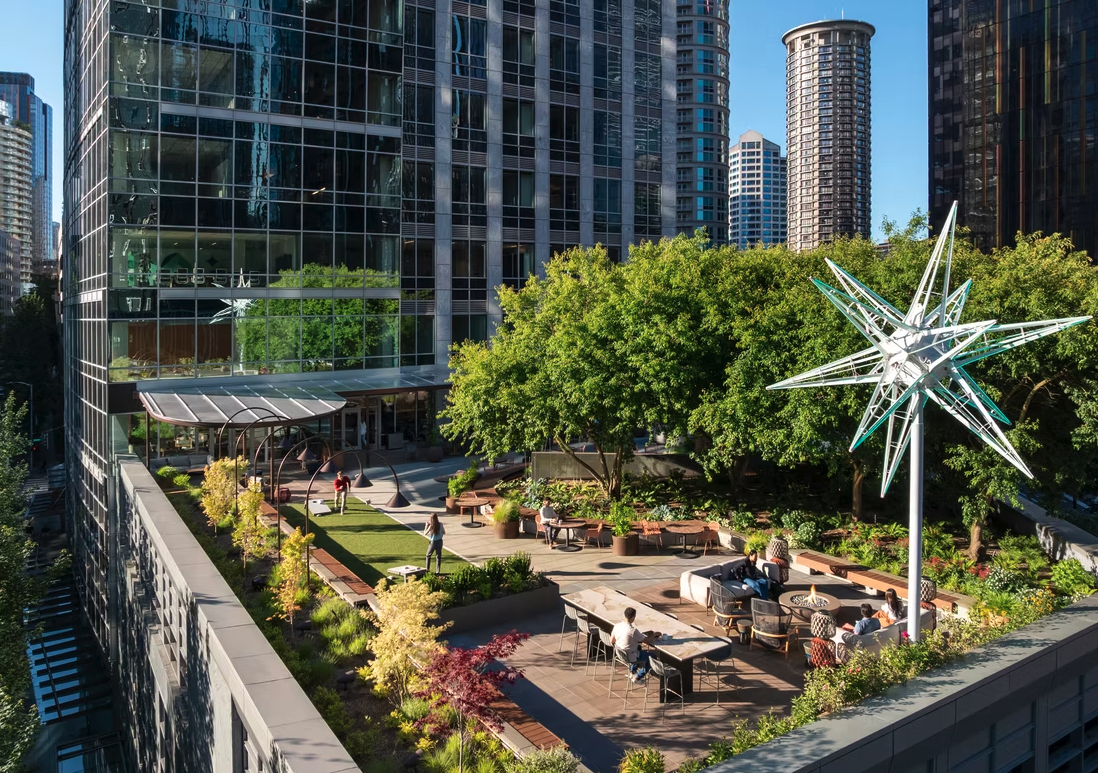
The location of the new office is significant in ways that go beyond mere convenience. West8 sits at 2001 8th Ave., just two blocks from Amazon’s headquarters campus and the famous Spheres. That means GM’s employees will be working in the very epicenter of Seattle’s tech district, surrounded by some of the most innovative companies and creative minds in the world. Imagine stepping out of your office for a lunch break and walking past the lush, tropical greenery of the Spheres, or grabbing an afternoon coffee at a café where you might overhear a conversation about cloud computing or biotech. The energy of the neighborhood is infectious, and it’s the kind of environment that can spark ideas and foster connections in unexpected ways. But it’s not all about the outside world; the West8 building itself offers a range of amenities designed to make the workday better. There’s a fitness center for those who want to squeeze in a morning workout, bike storage with showers for the city’s many cyclists, and an onsite café where employees can grab a bite without venturing into the rain. Outdoor spaces provide a breath of fresh air, and covered parking comes equipped with EV charging stations—a fitting touch for an automaker that is investing heavily in electric vehicles. These may seem like small details, but they reflect a deep understanding of what employees actually need and value. A cyclist doesn’t want to arrive at work sweaty with no place to clean up. An EV driver wants the peace of mind of a reliable charger. A parent might need the flexibility of an onsite café to make the morning drop-off routine a little less stressful. By thinking through these human touches, GM is signaling that it cares about the daily experience of its team members, not just their output.
This Seattle office is also part of a larger strategic vision for GM—one that stretches far beyond its Michigan headquarters. The company has been building a network of major tech hubs across the country, with significant locations in Austin, Texas, and the San Francisco Bay Area, and Seattle is now joining that family. This decentralization makes sense for a company that wants to tap into diverse talent pools and stay close to the epicenters of innovation. Austin offers a booming tech scene with a distinctly Texan flavor; the Bay Area provides proximity to some of the most cutting-edge software and AI companies in the world; and Seattle brings its own unique strengths in cloud computing, machine learning, and a culture of invention. By establishing a presence in these cities, GM is saying that great ideas don’t have to originate in Detroit—they can come from anywhere, and the company needs to be where the people are. This isn’t about abandoning the Motor City; it’s about building bridges between different regions and creating a truly national, collaborative team. For employees in Seattle, this means opportunities to work with colleagues in Austin or San Francisco, sharing knowledge and learning from each other. It also means that GM can offer career paths that don’t require relocation, which is a huge win for workers who have deep roots in the Pacific Northwest. In a world where talent is increasingly mobile and selective, this kind of flexibility can make all the difference in attracting and retaining the best people.
Looking ahead to early 2027, the opening of GM’s West8 office feels less like a corporate milestone and more like a homecoming for the company’s Seattle-based employees. After years of remote work—which has been a blessing in many ways but also a source of isolation for many—they will finally have a place to gather, celebrate wins, and tackle challenges together. The office will be a physical manifestation of GM’s commitment to the region, a place where the future of mobility is being shaped not in the abstract, but by real people sitting in comfortable chairs, sketching ideas on whiteboards, and sharing meals in the café. For the broader Seattle community, the arrival of GM adds another vibrant thread to the city’s rich technological tapestry. It’s a reminder that the automotive industry is undergoing a profound transformation, and that Seattle is playing a role in that transformation. The city is no longer just a hub for software and cloud services; it’s also a place where the next generation of cars is being imagined and built. And for GM, the new office represents a promise: that the company will continue to invest in the people and places that make innovation possible. The lease has been signed, the plans are in motion, and soon enough, the lights will come on at West8, welcoming a team of dreamers and doers who are helping to redefine what it means to drive. It’s a story about space and square footage, yes—but more importantly, it’s a story about people, community, and the enduring power of showing up together, in person, to do remarkable things.