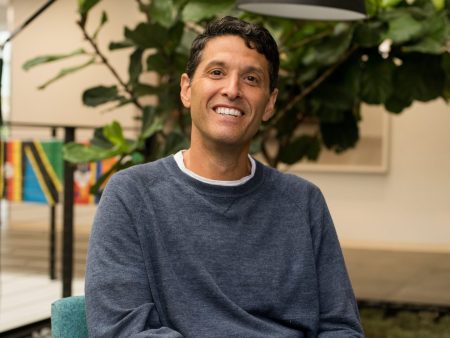






Imagine standing in the heart of a bustling facility in Everett, Washington, where the whir of machines and the crackle of innovation fill the air. It’s here at Helion Energy that David Kirtley, the company’s CEO, is chasing a dream that’s as old as the stars themselves—to harness fusion power on Earth. Fusion, those sizzling reactions fusing atoms together that power the sun and light up the universe, had captivated Kirtley during his engineering studies at the University of Michigan back in the early 2000s. Picture a young, wide-eyed student poring over textbooks and simulations, his mind racing with the potential of clean, limitless energy. But reality hit hard: the fusion tech he encountered in academia was a distant promise, decades away from powering homes or industries. It was frustrating, like glimpsing a treasure chest but finding it locked in a far-off vault. “What if I could actually make this happen sooner?” Kirtley must have wondered, his ambition burning bright despite the odds. This setback didn’t extinguish his fire; instead, it redirected it, setting the stage for a journey that would blend space-age tech with earthly energy needs. Kirtley’s story isn’t just about one man’s quest—it’s a reminder that innovation often comes from pivoting when paths get blocked. He shares how his early fascination with the sun’s core drove him, even when textbooks painted a picture of endless delays. This personal connection to the impossible made his dream feel tangible, like a spark that refused to die out.
Kirtley dove into the world of rockets and space propulsion as a practical alternative, the kind of hands-on challenge that engineering grads dream about. Working at MSNW, a Seattle-area company, he tackled thrusters and spacecraft, creating the raw plasma needed for fusion experiments along the way. Imagine him in a lab coat, tweaking designs that mimicked space travel, his fusion dream simmering beneath the surface. Plasma—that superheated, electrically charged gas—was key, and through this space work, he saw a bridge back to his original passion. It was like solving a puzzle where the pieces from one world unlocked another. “Space tech isn’t just about journeys to the moon; it’s about pushing boundaries here on Earth,” Kirtley reflected, drawing parallels that most wouldn’t see. He realized that the circuits, topologies, and innovative strategies from spacecraft could accelerate fusion by decades. This wasn’t just a job—it was reconnection with that core fascination. By experimenting with plasma in ways tied to propulsion, Kirtley built the foundation for something groundbreaking. His shift felt natural, a logical evolution rather than a detour, proving how seemingly unrelated fields can converge into game-changing breakthroughs. It’s the story of a tinkerer who turned cosmic dreams into real-world quests, layer by layer. As he navigated these tech realms, the skeptics#define doubts began to fade for him personally, replaced by a growing certainty that fusion wasn’t just theoretical anymore.
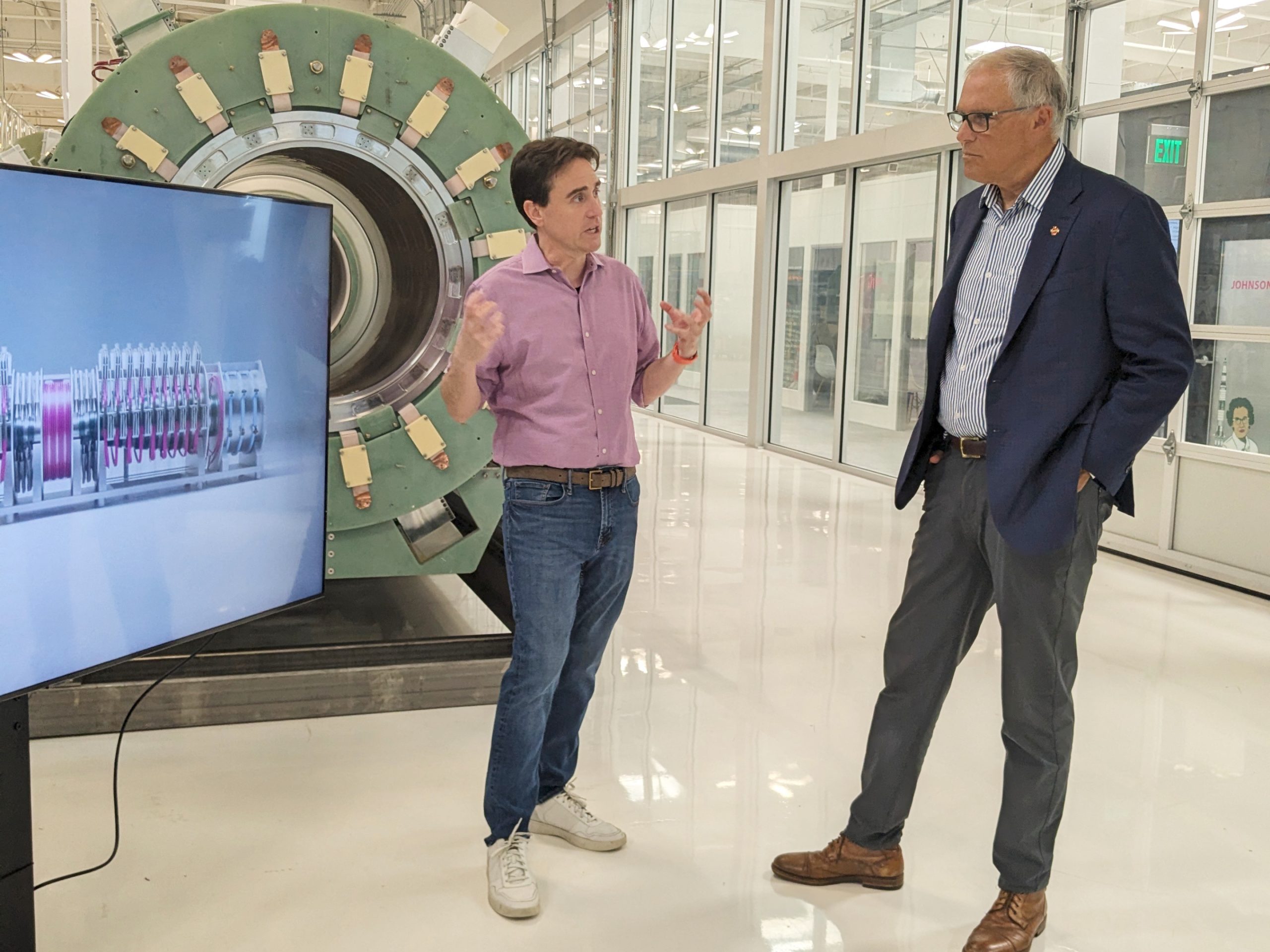
In 2013, Kirtley, along with three colleagues from MSNW, took the bold leap to start Helion Energy, transforming lab ideas into a startup with real stakes. Picture that moment: four engineers huddled in a conference room, fueled by late nights of plasma testing, deciding to chase the “first fusion plant to deliver electricity to the grid” by 2028. Their approach is ingenious, drawing from that space heritage—powerful magnets compress two rings of plasma, slamming them together to unleash bursts of energy captured as electricity. It’s like bottling lightning in a controlled storm. Kirtley describes it as repurposing rocketry’s brainpower for fusion, slashing timelines dramatically. No more waiting for academic breakthroughs; this was direct application, born from hands-on experience. Founding Helion was thrilling yet daunting, a gamble where failure meant more than broken dreams—it could dampen public trust in fusion’s promise. Yet, the quartet pressed on, assembling a vision that felt achievable. By adapting space tech’s precision and speed to fusion’s chaos, they created a proprietary path. It’s a testament to collaboration, where shared passion turns complex science into engineering feats. Kirtley’s leadership shines through, blending technical know-how with entrepreneurial grit, making the unimaginable feel close. As Helion took shape, the team mustered the courage to innovate, proof that sometimes, the best way forward is veering off the beaten path.
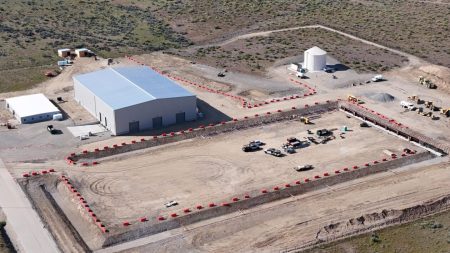
Helion’s progress reads like an epic buildup: over $1 billion raised from investors, a workforce swelling to more than 500, and the dual operation of Polaris—their seventh prototype—while constructing Orion, a 50-megawatt commercial plant. Visualize Kirtley overseeing this symphony of activity, his days a blend of strategy and shop-floor troubleshooting. Polaris hums with tests, each cycle refining the system, while Orion looms on the horizon as their trophy. The company’s story isn’t without hurdles; technological barriers loom large, from plasma control to scale-up efficiency, demanding relentless iteration. Skeptics question if Helion can truly grid-connect by 2028, fearing dashed hopes could erode global confidence in fusion. But Kirtley views these doubts as fuel, not barriers, pushing the team to prove critics wrong. He’s hands-on, jumping into test bays when things stall, embodying that visionary leader who rolls up his sleeves. Building such a team—excited problem-solvers unafraid of the unknown—has been key, fostering a culture where “yes, we can” isn’t just motivational talk. It’s personal for him; each hiccup feels like a chance to triumph over early setbacks. As Helion expands, the narrative evolves from startup scrappiness to industrial scale, a microcosm of innovation’s grind. Funding and headcount reflect investor belief, yet true success hinges on delivery. Kirtley’s journey underscores perseverance, where ambition meets reality in high-stakes engineering.
At the core of Helion’s ethos is Kirtley’s philosophy on leadership amid skepticism: get in the weeds, experience the challenges firsthand. He recounts diving into issues with operators, troubleshooting systems to spot problems and fix them on the spot. It’s not distant oversight; it’s collaborative problem-solving, building trust and momentum. “You’re going to have to keep building,” he says, emphasizing a team that thrives on unknown complexities, united by shared excitement. This approach has been Helion’s secret sauce, turning potential obstacles into stepping stones. Reflecting on the future, Kirtley paints a vivid picture of global fusion deployment—not for accolades alone, but to combat climate change and energy crises. Achieving milestones like hitting 100 million degrees or Orion’s completion won’t suffice; the real win is widespread adoption. His decisions, like material choices, prioritize scalabiliy—avoiding rare resources that can’t globalize, opting for adaptable solutions. It’s strategic thinking fused with ethics, ensuring fusion helps vast populations. Facing doubts, Kirtley stays human, acknowledging fears yet powering through with optimism. This isn’t corporate jargon; it’s the raw drive of someone who believes deeply. His hands-on style makes him relatable, a leader who admits struggles to inspire resilience. In a field rife with uncertainty, this mindset builds not just machines, but morale.
Kirtley also addresses fusion’s role in our energy landscape, dismissing it as a “silver bullet” that overshadows renewables like solar or wind. He highlights stark realities: we’re on pace to burn more coal and natural gas than ever, underscoring “all-of-the-above” strategies—solutions that complement rather than compete. It’s a call for abundance, not zero-sum thinking, recognizing varied energy sources are essential. The surge in data centers, demanding cheap, reliable power, has amplified this urgency. Markets aren’t just theoretical; they’re driving investment, accelerating Helion’s timelines. “We need every source,” Kirtley notes, positioning fusion as a reliable ally. This market pull has empowered faster ramp-ups, investments in manufacturing beyond Orion—plant production on steroids. It’s exhilarating, a convergence where tech demand supercharges progress. Kirtley feels grateful for this external validation, fueling his vision. As Helion navigates skepticism, this broader context reassures: fusion’s value lies in partnership with existing tech. His narrative humanizes big ideas, showing how personal drives align with global needs. Ultimately, it’s about more than energy—it’s empowering people, confronting crises head-on. Kirtley’s path, from student dreams to CEO battles, inspires us that bold pivots can ignite change.