






The Innovation Gap: When American Brilliance Needs Foreign Factories
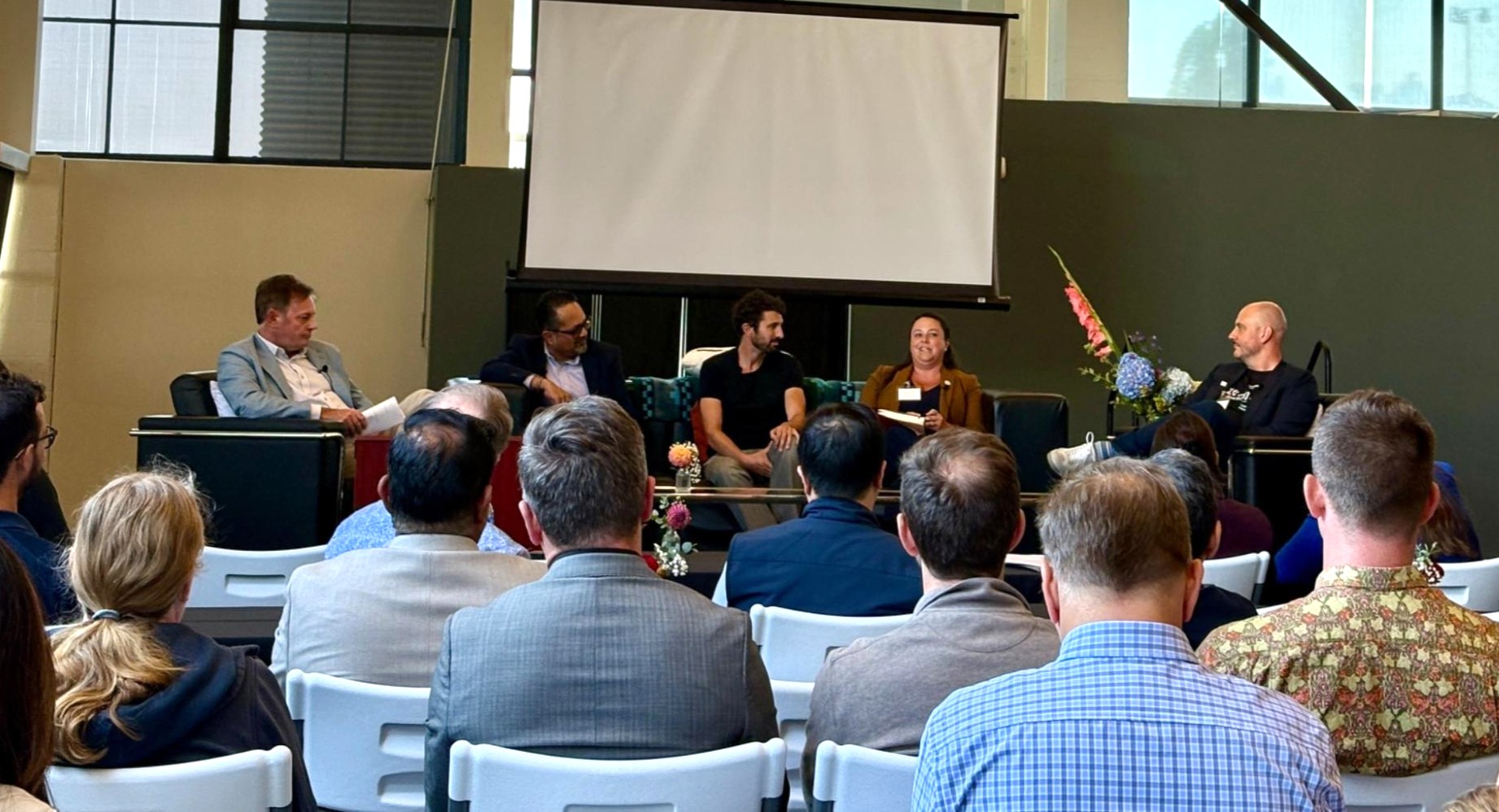
In the gleaming corridors of Seattle’s biotechnology sector, a paradox has emerged that threatens to redefine America’s technological future. The region boasts some of the world’s most innovative minds, cutting-edge research institutions, and breakthroughs that could transform medicine, agriculture, and industry. Yet when it comes time to actually manufacture these discoveries at scale, companies often find themselves packing their designs and heading overseas. This disconnect between American ingenuity and American infrastructure was the central theme of a recent forum in Seattle, where the National Security Commission on Emerging Biotechnology gathered to hear from industry leaders. The message was clear and urgent: the science is here, but the facilities, workforce, and financial mechanisms to keep innovation on U.S. soil are dangerously lacking. As geopolitical tensions rise and global supply chains become increasingly fragile, this gap isn’t just an economic concern—it’s becoming a matter of national security.
The Arzeda Story: A Case Study in American Innovation and Outsourced Production
Consider the story of Arzeda, a Seattle-based company that represents both the promise and the peril of American biotechnology. The company designs enzymes that power everything from laundry detergents to natural sweeteners, reaching an estimated 1.8 billion consumers worldwide. Using artificial intelligence, their researchers have revolutionized the design process, creating enzymes in days rather than the weeks or months traditional methods require. Their innovations have earned them a $44 million federal contract with the Defense Threat Reduction Agency, positioning them at the forefront of biothreat response. Yet for all their scientific achievement, when it comes to manufacturing these specialized proteins at commercial scale, Arzeda must look abroad. Their enzymes are primarily produced in Western Europe and India, with only a single U.S. contract manufacturing partner in Wisconsin. CEO Alexandre Zanghellini described the frustration plainly: finding domestic manufacturers with the right expertise and capacity has proven extraordinarily difficult, and for a company racing to commercialize new technology, manufacturing delays can be “catastrophic.” His company’s experience illustrates a systemic problem that threatens to undermine America’s competitive edge in one of the most promising fields of the 21st century.
A Federal Response to a Growing Threat
Recognizing this challenge, Congress created the National Security Commission on Emerging Biotechnology in 2022, assembling eleven bipartisan experts to examine how biotechnology intersects with national security and what the U.S. must do to maintain its competitive position against China. The commission’s findings were sobering, resulting in a report to Congress containing 49 recommendations and calling for at least $15 billion in federal investment over five years. Their proposals span the entire innovation ecosystem: policies to channel more private capital into biotechnology, building domestic manufacturing capacity, strengthening the workforce pipeline, and reducing vulnerabilities in the supply chain. With the commission sunsetting in December, its members have fanned out across the country to make their case directly to the communities affected. In Seattle, they found themselves in familiar territory—the Pacific Northwest has emerged as a powerhouse of biotech innovation, home to institutions like the University of Washington, Fred Hutchinson Cancer Center, and the Allen Institute. The University of Washington’s Institute for Protein Design, led by Nobel Prize winner David Baker, has alone spun out more than twenty companies, contributing to a deep life-sciences ecosystem that rivals any in the nation.
The Valley of Death: When Innovation Stalls Between Research and Reality
Yet Seattle’s biotech leaders painted a stark picture of what they call the “valley of death”—the chasm between promising research and commercial-scale manufacturing. The United States has robust federal funding for basic research, and venture capital firms readily finance early-stage discoveries. But when a company reaches the point where it needs physical infrastructure for commercial manufacturing, financing becomes nearly impossible to secure. Venture capitalists don’t see attractive enough returns in capital-intensive manufacturing, and banks are reluctant to lend to companies with unproven production processes. This creates an uncomfortable reality: American innovation often ends up being commercialized on foreign soil simply because that’s where the infrastructure exists. The problem extends beyond mere economics. China has spent two decades making biotechnology a strategic priority, with its latest Five-Year Plan doubling down on biomedicine, biomanufacturing, pharmaceuticals, and even brain-computer interfaces. For American companies facing the choice between expensive domestic production and cheaper overseas alternatives, the math often leads them abroad—a decision that has profound implications for national security and economic resilience.
The Fragility of Global Supply Chains
The Seattle forum highlighted how this dependence on foreign manufacturing creates vulnerabilities that could have devastating consequences. If geopolitical conflicts disrupt the supply of medicines, biological products, or critical components, the impact would reach far beyond the battlefield. Alexander Titus, a commission member who has led AI-focused biotech initiatives in Seattle and nationally, framed the issue in stark terms: maintaining American leadership in these industries provides the edge needed in any situation, and ensuring domestic production capability has become “truly national security in the broadest sense.” The commission’s recommendations include requiring companies to disclose supply-chain vulnerabilities in foreign countries of concern, a measure designed to encourage more strategic thinking about where production occurs. But the challenges are deeply interconnected. Even if companies wanted to manufacture domestically, they face a workforce crisis—there’s no robust pipeline training people for entry-level biomanufacturing jobs. Rebecca Bryant of Fred Hutch pointed out that while Washington state trains people well for research positions, the path into biomanufacturing careers remains poorly defined. The commission has proposed creating a nationwide manufacturing network for pre-commercial bioindustrial scale-up, which would allow startups to access facilities without having to build them from scratch. They’ve also urged Congress to expand biomanufacturing training programs.
A Defining Moment for American Biotechnology
As the conversation in Seattle drew to a close, the stakes couldn’t have been clearer. The commission’s members emphasized that the next three years will determine whether the United States maintains its global leadership in biotechnology or cedes that future to China. Of the 49 recommendations the commission has made, 26 have already been written into law in some capacity—a testament to the urgency both parties feel about this issue. But much work remains, and the burden now falls on Congress, federal agencies, state governments, and the industry itself to act. For the innovators gathered in Seattle—from startup founders to research directors to manufacturing executives—the path forward requires more than just good intentions. It demands a fundamental recognition that scientific brilliance alone cannot sustain American leadership. The discoveries happening in Seattle’s laboratories represent humanity’s best hope for solving some of our most pressing challenges, from climate change to disease to food security. But those breakthroughs will only fulfill their potential if Americans can manufacture them, if American workers can build the careers to support them, and if American communities can benefit from the economic opportunities they create. The alternative is a future where American ideas become foreign products, where American security depends on overseas goodwill, and where American prosperity flows to those with the foresight to build the infrastructure the 21st century demands. The scientists have done their part. Now it’s time for the rest of the country to do theirs.