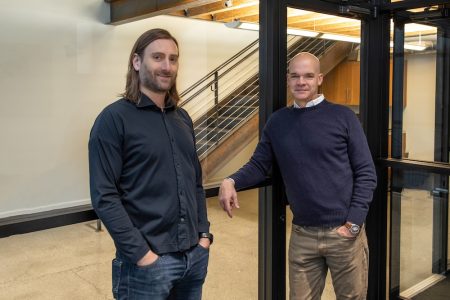



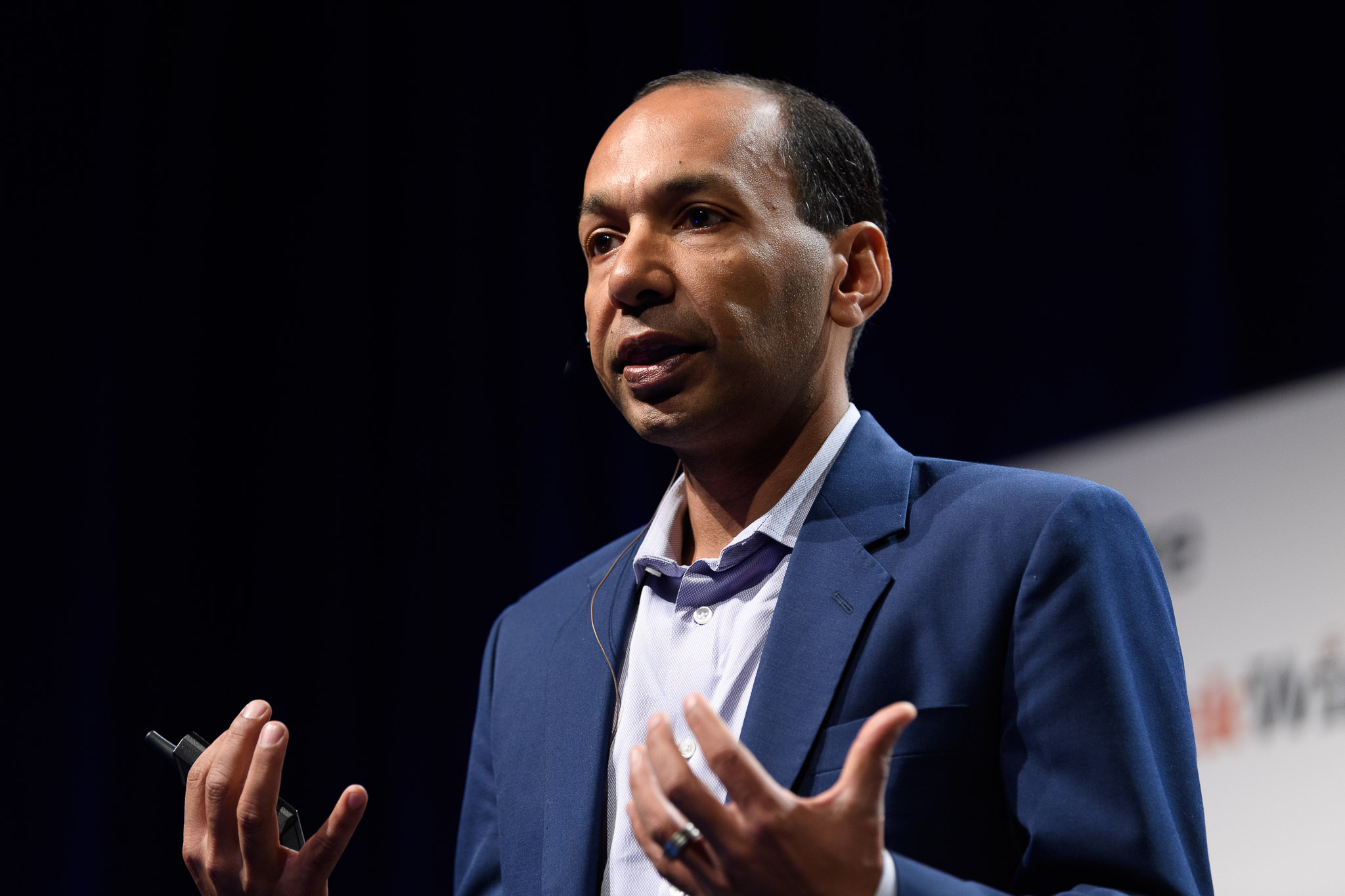
Sunny Gupta and Kurt Shintaffer are back at it. In a tech landscape increasingly dominated by artificial intelligence, the powerhouse duo behind Apptio is reuniting for a third venture with Madrona. The legendary pair, known for scaling Apptio before selling it to Vista Equity Partners and later to IBM for an astronomical $4.6 billion, has officially launched Thira. Based in Bellevue, Washington, the enterprise AI startup has burst onto the scene with a commanding $21 million seed round led by Madrona, with participation from FUSE. This high-profile reunion has ignited massive excitement in the Pacific Northwest tech corridor, with Madrona’s Matt McIlwain declaring this new venture the absolute biggest opportunity he and Gupta have ever pursued together in their twenty years of working side by side.
The ambitious vision driving Thira is simple yet radical: creating a self-running back office. Instead of merely offering dashboards that show companies where their money is going, Thira is building autonomous AI agents designed to handle the tedious, time-consuming administrative tasks that typically bog down everyday business operations. We are talking about the background friction every employee experiences, such as configuring a new hire’s laptop, unlocking frozen accounts, or routing software purchase approvals through corporate red tape. By taking these mundane internal processes off human hands, Thira aims to fundamentally transform how modern corporations function from the inside out, turning frustrating bureaucratic bottlenecks into seamless, instant workflows.
The company is starting its journey in the trenches of IT support, which is widely considered the ultimate testing ground for office automation. Thira’s sophisticated software agents are engineered to intercept IT support tickets and act on them autonomously. Rather than just suggesting articles or replying with generic templates, these agents log into the actual underlying systems where real fixes happen—interfaces like ServiceNow, Jira, and various identity-management tools—and perform the technical actions required to close the loop. However, IT is just the first step. According to company job listings and roadmaps, Thira’s ultimate goal is to build a comprehensive lineup of intelligent agents capable of autonomously steering finance, human resources, and procurement tasks.
Expanding into this territory means Thira is stepping onto a crowded and highly competitive corporate battlefield. The demand for AI-driven automation has sparked a massive arms race, highlighted by ServiceNow’s recent multi-billion-dollar acquisition of Moveworks. A wave of agile startups like Aisera, Rezolve.ai, and Serval are also racing to stake their claims in autonomic ticket resolution. Yet, Thira’s leadership believes they possess a secret weapon that tech alone cannot replicate: deep, trust-based relationships with Chief Information Officers. Over two decades of building Apptio, Gupta and Shintaffer established peerless credibility with enterprise decision-makers. This valuable goodwill has already given Thira a critical head start, allowing them to secure ten major companies as design partners to co-develop and test the platform ahead of its official Fall release.
For Gupta, this venture is the realization of a dream long in the making. During his years leading Apptio, CIOs constantly expressed a desire for a tool that went beyond mere spending visibility to provide actual execution—a system that didn’t just point out inefficiencies but actively fixed them. Early in 2026, Gupta reached out to over twenty of his closest CIO contacts to ask if modern AI developments had finally made this level of automation possible. The overwhelming consensus was a resounding “yes.” This revelation convinced Gupta and Shintaffer to officially step away from their previous leadership roles at Smartsheet to recruit a powerhouse founding team of engineering and product leaders from tech giants like Atlassian, Oracle, and Databricks.
Through Thira, the team is building what they call a “system of execution.” By combining decades of deep enterprise experience with cutting-edge, AI-native innovation, the startup is uniquely positioned to bridge the gap between legacy corporate systems and the future of work. As Madrona’s Matt McIlwain joins the board of directors alongside observers from FUSE, the industry is watching closely. Thira is not merely attempting to build another software tool; it is striving to rewrite the playbook for corporate operations, freeing humans from the stifling constraints of back-office administration and ushering in an era of truly autonomous business.