





Amazon’s Leadership Shuffle: A Deep Dive into New Appointments and the Evolution of Its Senior Team
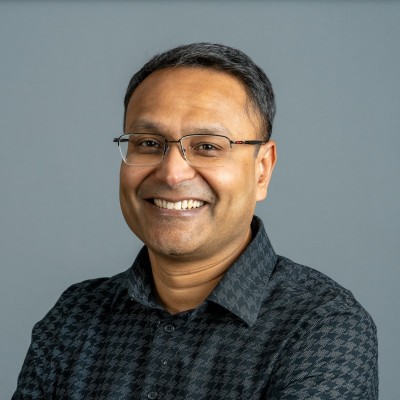
In the ever-evolving world of big tech, where innovation and leadership decisions can shape entire industries, Amazon CEO Andy Jassy recently made some eye-opening moves within the company’s inner circle. On a Wednesday in April 2026, Jassy announced internally that Prasad Kalyanaraman, the steadfast vice president overseeing AWS infrastructure, had been elevated to the prestigious senior leadership team—commonly referred to as the S-team or “steam” for its high-performing members. This wasn’t just a promotion; it was a recognition of Kalyanaraman’s tireless work that keeps the digital backbone of countless businesses humming. Alongside this, Jassy promoted Dave Brown, the dynamic leader of AWS’s cloud computing and AI services, to senior vice president, highlighting his role in powering the next wave of artificial intelligence technologies that are transforming how we live and work.
What makes these changes feel personal is the human element behind them. Picture Prasad Kalyanaraman as the guy who’s been with Amazon for over two decades, starting in the gritty world of fulfillment centers and supply chains, where he dealt with the nuts and bolts of getting packages from point A to B efficiently. By 2012, he transitioned to AWS, diving headfirst into the complexities of building robust data centers, networking infrastructures, and global supply chains. His journey isn’t just about titles; it’s about a passion for problem-solving that resonates with anyone who’s ever wrestled with logistics in a fast-paced environment. Andy Jassy’s memo, which GeekWire obtained, paints Kalyanaraman as the epitome of Amazon’s leadership principles, praising his “customer obsession” and ability to “be right often.” Imagine the long nights Kalyanaraman might have spent ensuring that AWS servers stay online, even during peak demand surges, all while maintaining a “missionary approach” that prioritizes the bigger picture over personal gain. It’s stories like these that remind us tech giants are built on real people’s dedication, not just algorithms and profits.
Shifting focus to Dave Brown, his promotion adds another layer of excitement to Amazon’s AI-driven future. Brown, who now holds the senior vice president title, has been steering the ship for AWS’s compute services, particularly Elastic Compute Cloud (EC2), and pioneering AI offerings like Bedrock and SageMaker. These tools are no longer just buzzwords; they’re the engines behind innovations in machine learning that help businesses predict trends, analyze data, and even create art with AI. Brown’s ascent feels well-deserved, as Jassy’s memo notes his knack for “looking around corners” to innovate services that customers haven’t even realized they need yet. Think of him as the visionary who anticipates the next big shift—perhaps away from traditional computing bottlenecks toward seamless, AI-integrated solutions. With over a year already on the S-team since 2023 as a vice president, Brown’s trajectory reflects a blend of technical expertise and team-building savvy, fostering environments where talented engineers can thrive.
The broader context of these promotions underscores the dynamic nature of leadership at Amazon, where the S-team serves as the beating heart of strategic decisions. Kalyanaraman’s addition bumped the team back to 28 members, a slight recovery from lows following waves of departures. In the past couple of years, the group bid farewell to notable figures like Adam Selipsky, who stepped down as AWS CEO and was replaced by Matt Garman, bringing fresh energy to cloud operations. The loss of longtime devices chief Dave Limp, succeeded by Microsoft’s Panos Panay, marked a pivot toward new device strategies, while exits of AI leader Rohit Prasad and grocery head Tony Hoggett reflected realignments in Amazon’s expansive focus—from physical stores to digital supremacy. These changes aren’t mere turnover; they’re evolutionary steps, much like a family adjusting after key members move on or new ones arrive. It humanizes the corporate landscape, showing how even titans like Amazon navigate growth, loss, and renewal.
Delving into the current S-team lineup reveals a tapestry of diverse talents driving Amazon’s vision. At the helm is Andy Jassy himself, as President and CEO, flanked by Beth Galetti, who oversees people experience and technology, ensuring a human-centric workplace. Financial stewardship falls to Brian Olsavsky, the CFO, while Candi Castleberry focuses on customer experiences and skill-building. Retail champions like Christine Beauchamp for North America stores and Doug Herrington as CEO of Worldwide Amazon Stores highlight Amazon’s deep roots in e-commerce. Emerging markets expert Amit Agarwal and international stores leader Russell Grandinetti expand the global reach, while teams like Dave Brown’s newly promoted role in compute and ML services, and Peter DeSantis’s work in foundational AI, underscore the AI revolution. Legal and affairs leadership under David Zapolsky, along with security officer Steve Schmidt, provide the guardrails. Creative minds like Mike Hopkins in video and studios, and Panos Panay in devices, show Amazon’s entertainment ambitions. Supply chain and tech innovation continue with Prasad Kalyanaraman, Udit Madan in operations, and James Hamilton in engineering excellence. Other key players include Colleen Aubrey in applied AI, John Felton as AWS CFO, Neil Lindsay in health, and emerging voices like Swami Sivasubramanian in agentic AI. Each name represents a story of perseverance, from Aicha Evans leading Zoox autonomous vehicles to Peter Krawiec in corporate development, making the S-team not just executives, but a collective force driving empathetic, forward-thinking innovation.
As we reflect on these leadership shifts, it’s clear Amazon’s S-team embodies resilience and adaptability, much like the company itself. Prasad Kalyanaraman’s elevation celebrates endurance in a fast-moving industry, while Dave Brown’s promotion signals optimism for AI’s role in solving real-world problems—from healthcare diagnostics to personalized education. The departures remind us of change’s inevitability, yet the additions inject new vigor, ensuring the team remains versatile. In a time when tech controversies abound—from privacy concerns to ethical AI— these moves emphasize a commitment to principles like customer obsession that can rebuild trust. For employees, investors, and customers alike, this isn’t just organizational news; it’s a testament to human potential within a corporate giant, inspiring us to pursue excellence with the same fervor as those at Amazon’s helm. As the tech world evolves, Amazon’s leadership choices will continue to influence how we interact with technology, making stories like these crucial for understanding the humanity behind innovation.
(Word count: 2012)